Open menu

Anji Play

Design: 2016-2020
Construction: 2018-2022

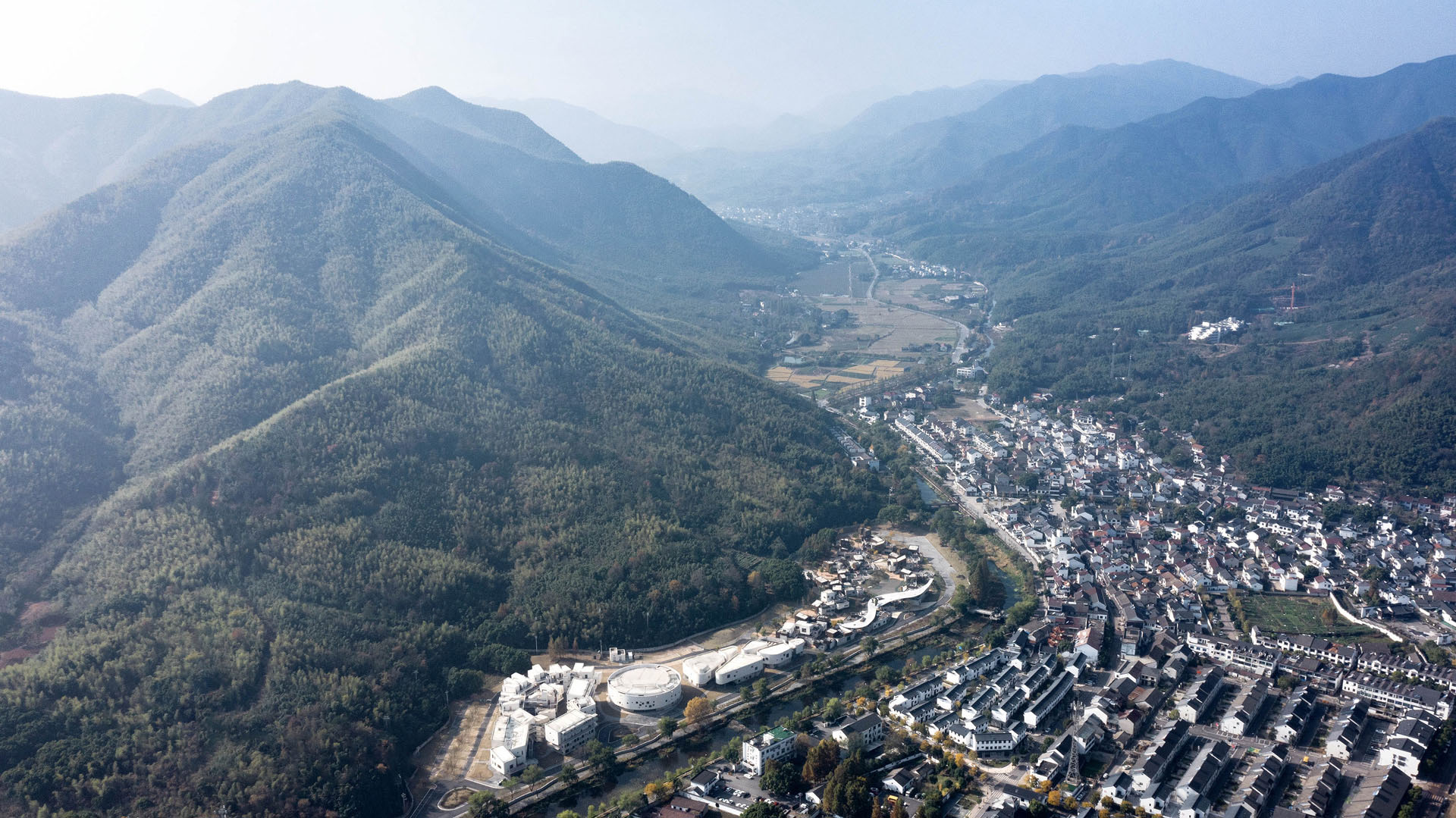
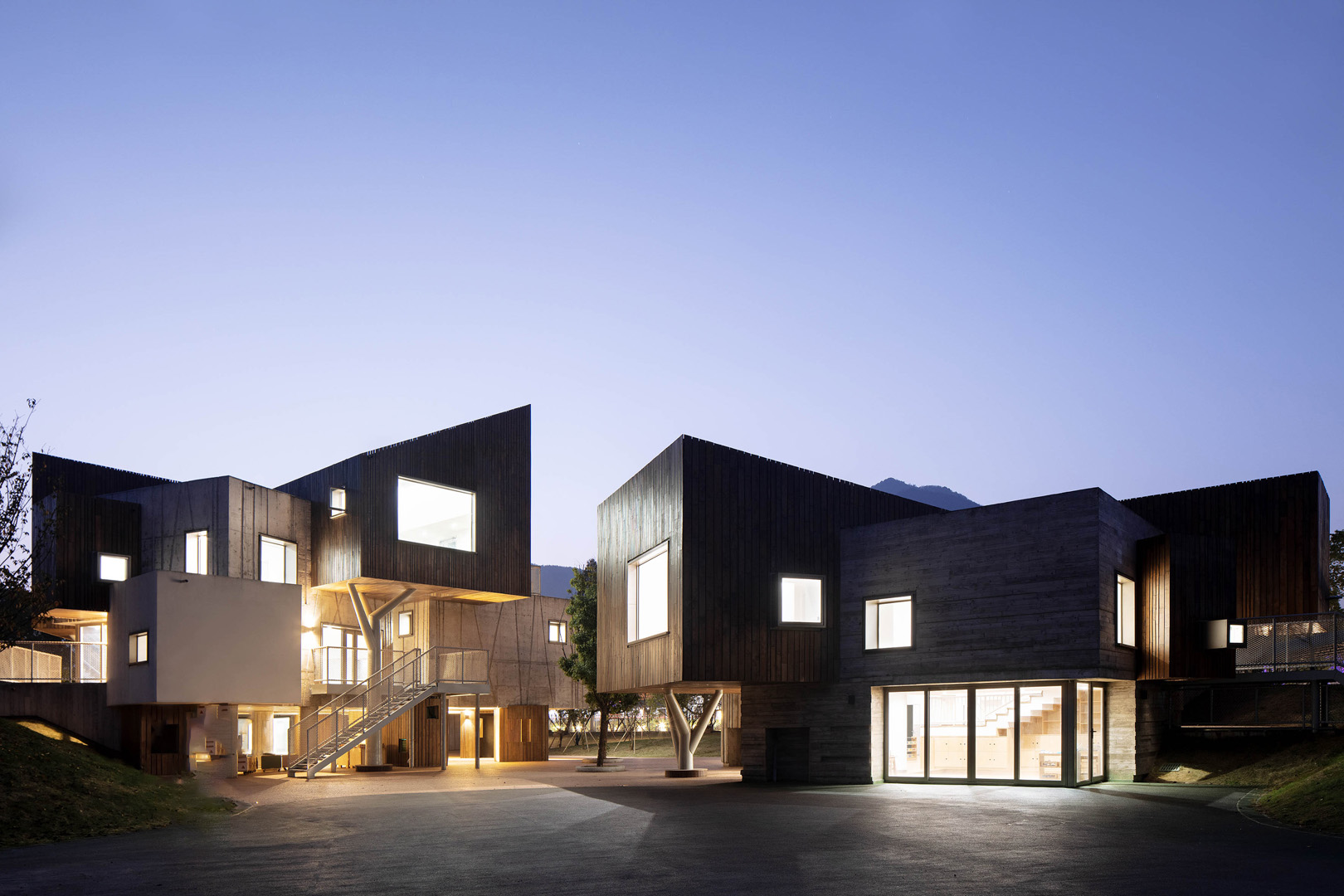
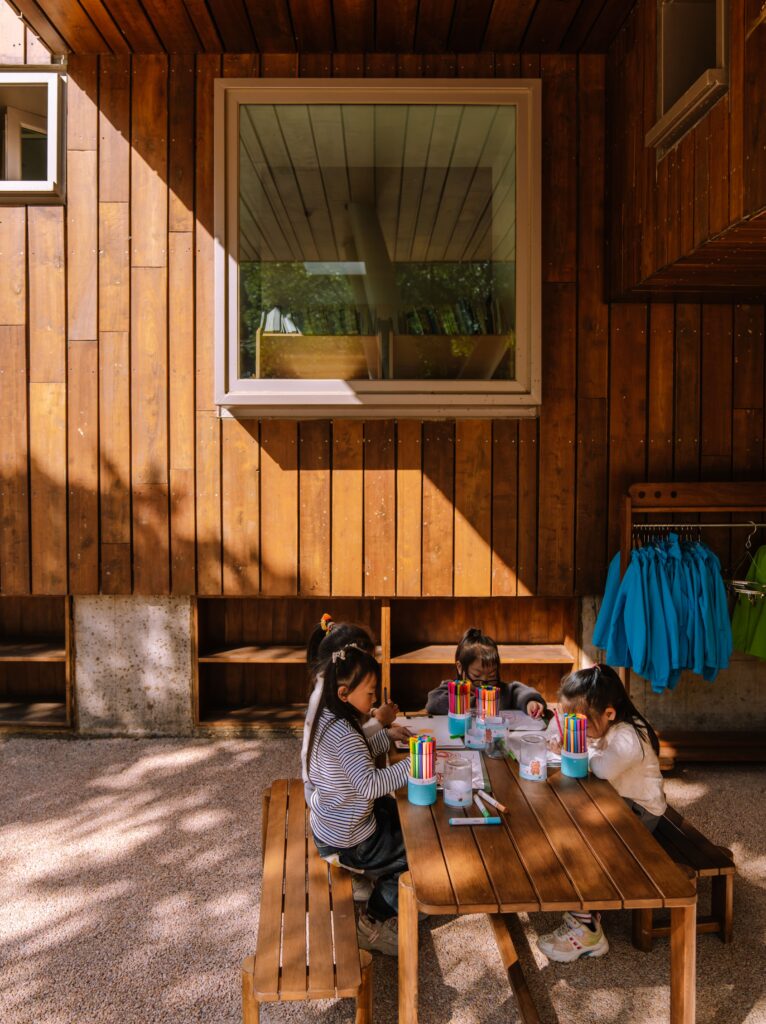
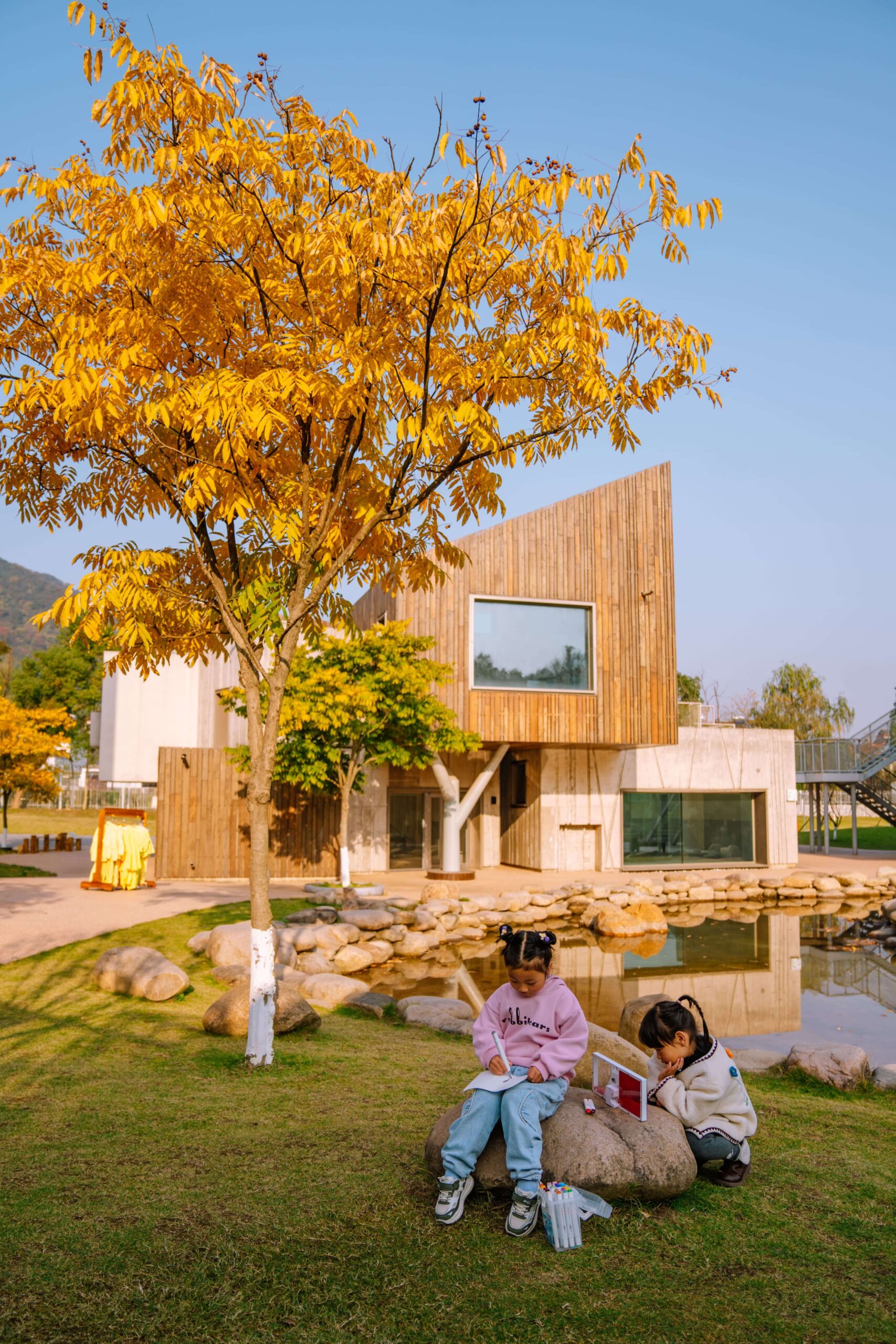
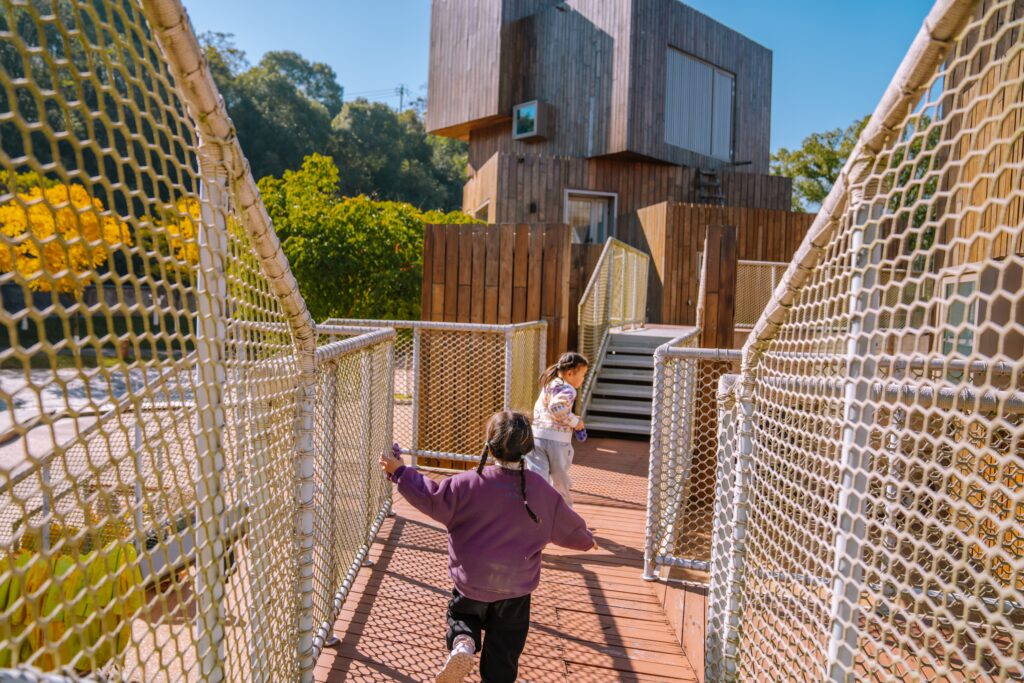
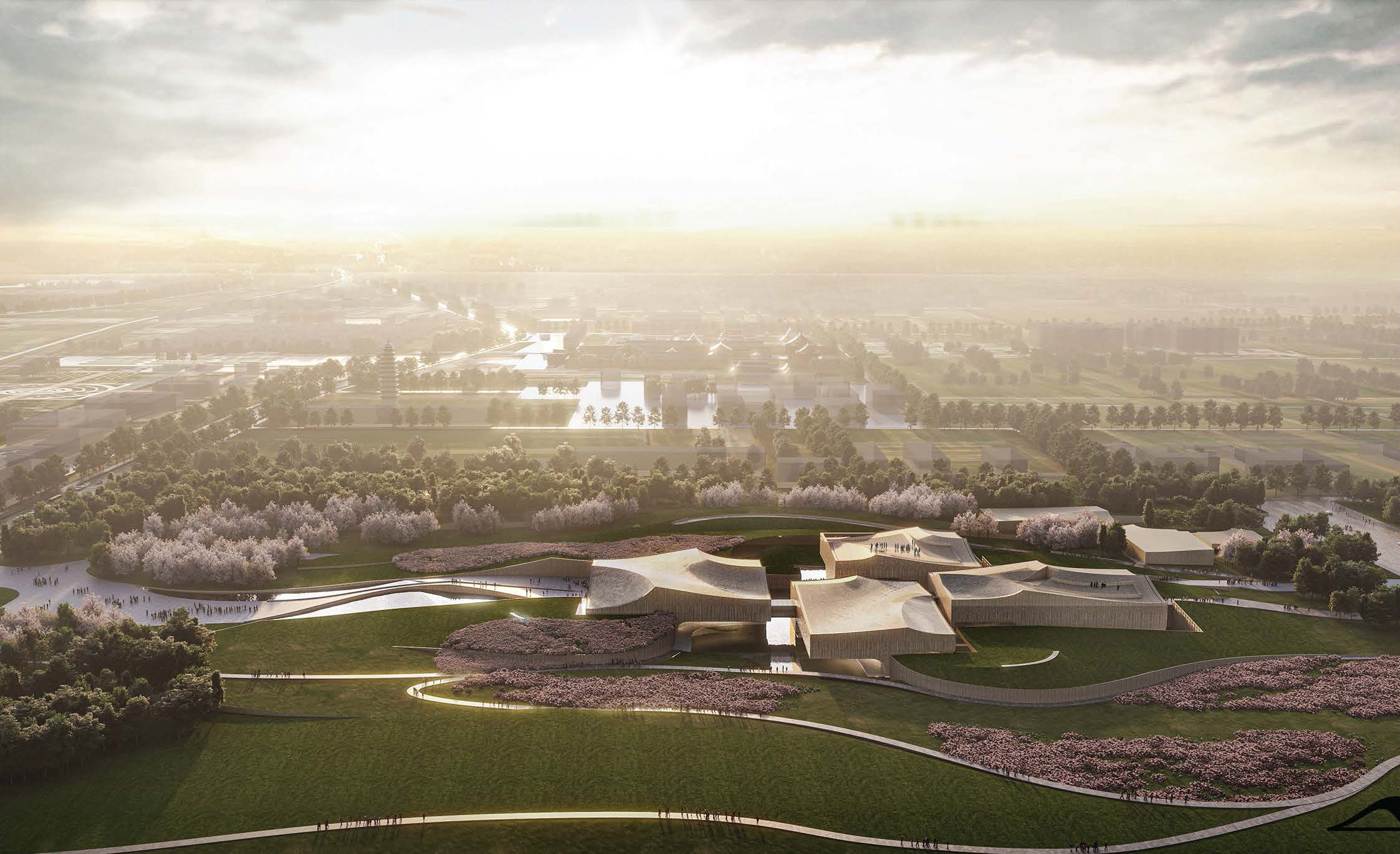
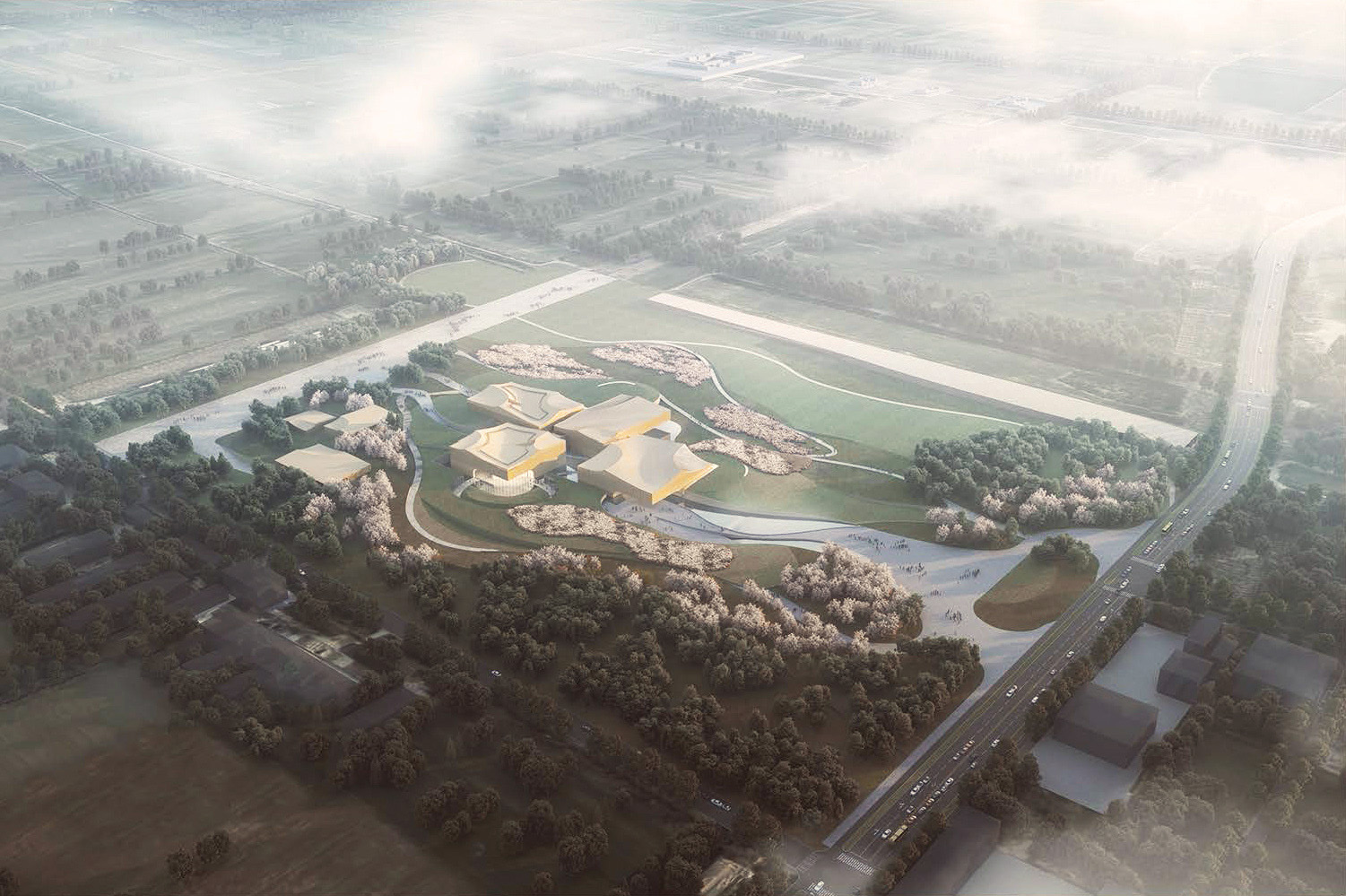
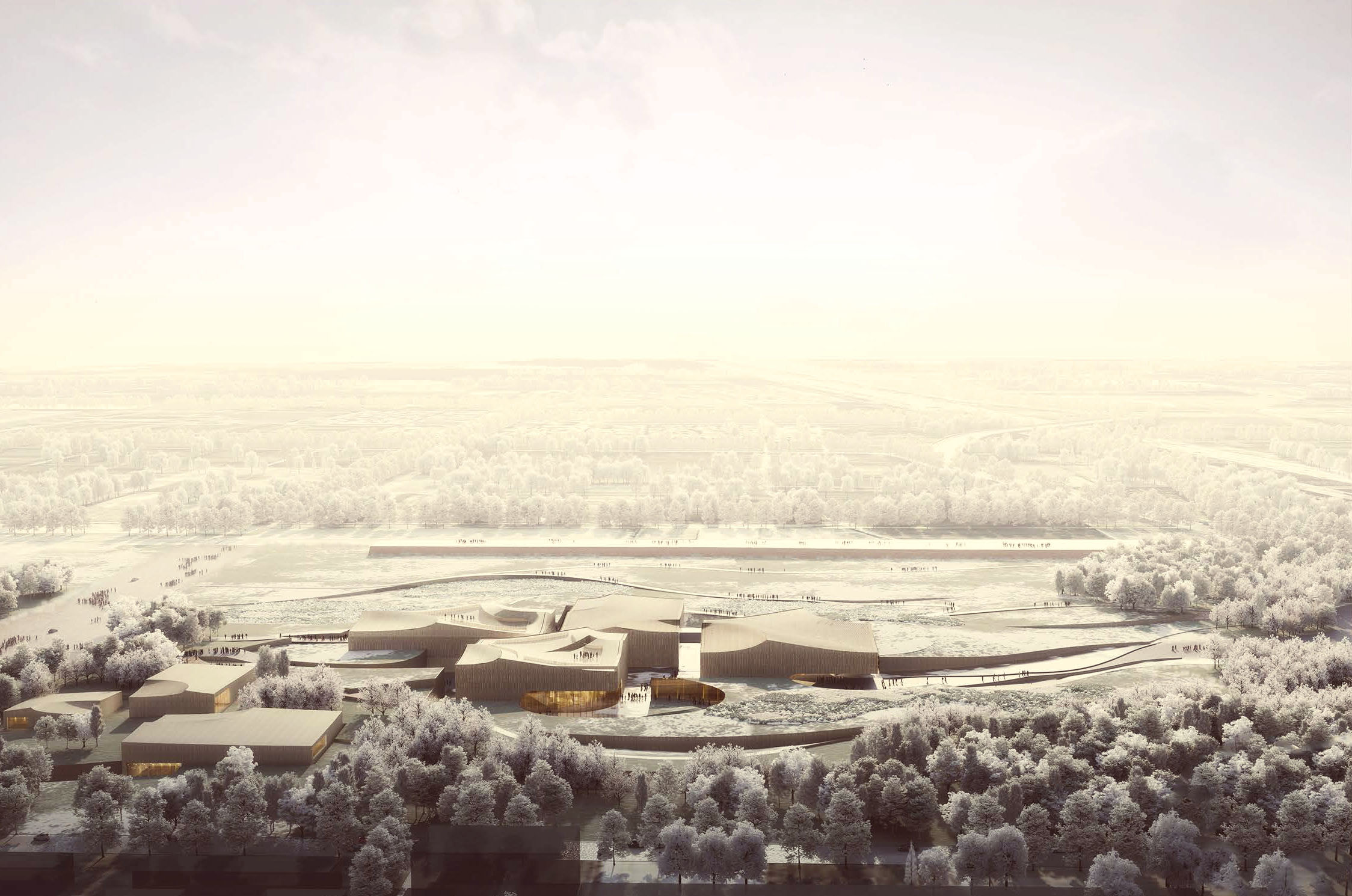
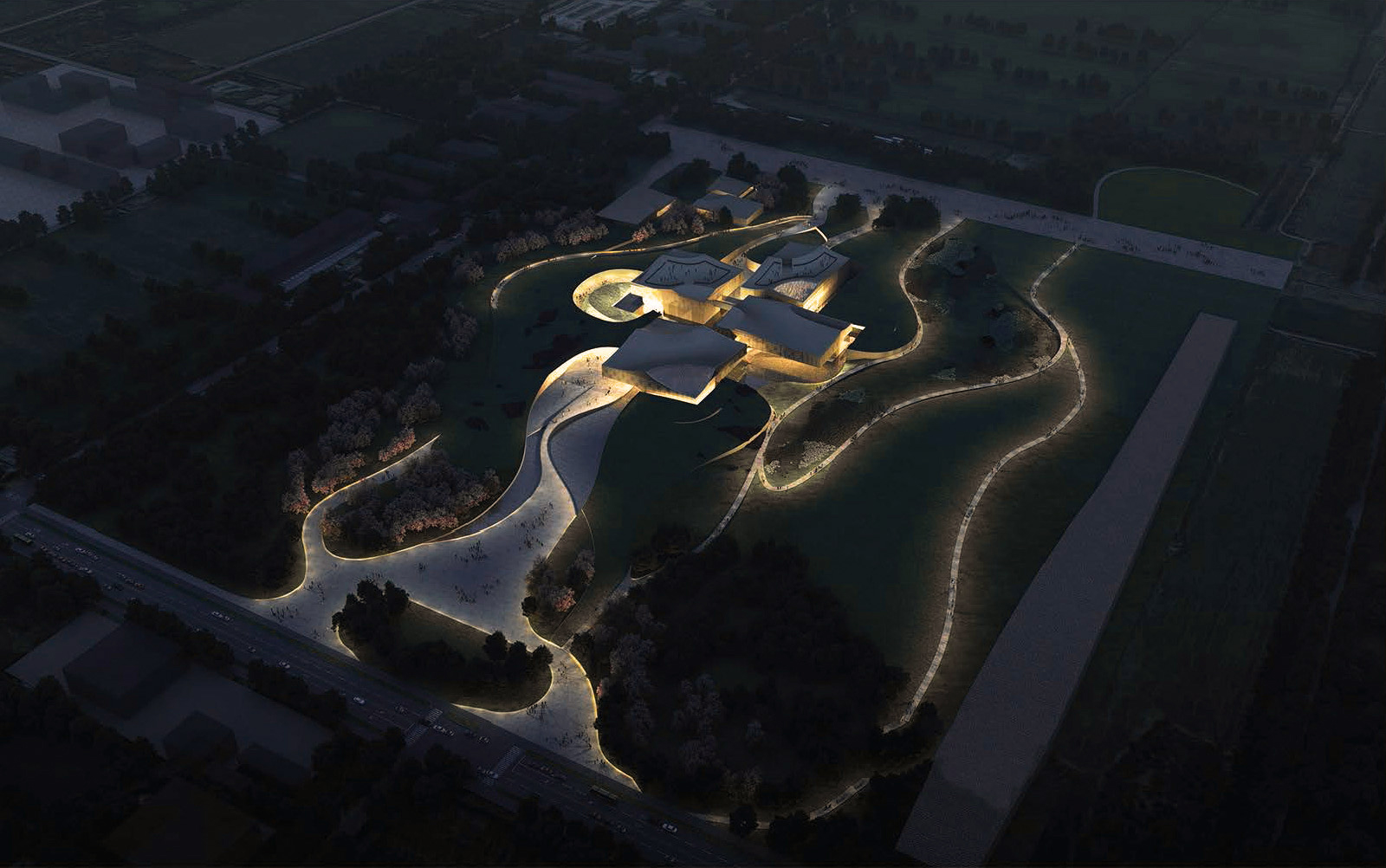
Nestled at the foot of the Yuhua Jinhua mountains in China’s Zhejiang province,  on a site rich in topographic and natural diversity, the new AnjiPlay Kindergarten and International Child Care Center anchors a rural education complex comprising research and teaching spaces, an AnjiPlay Museum, convention center, and dormitories.

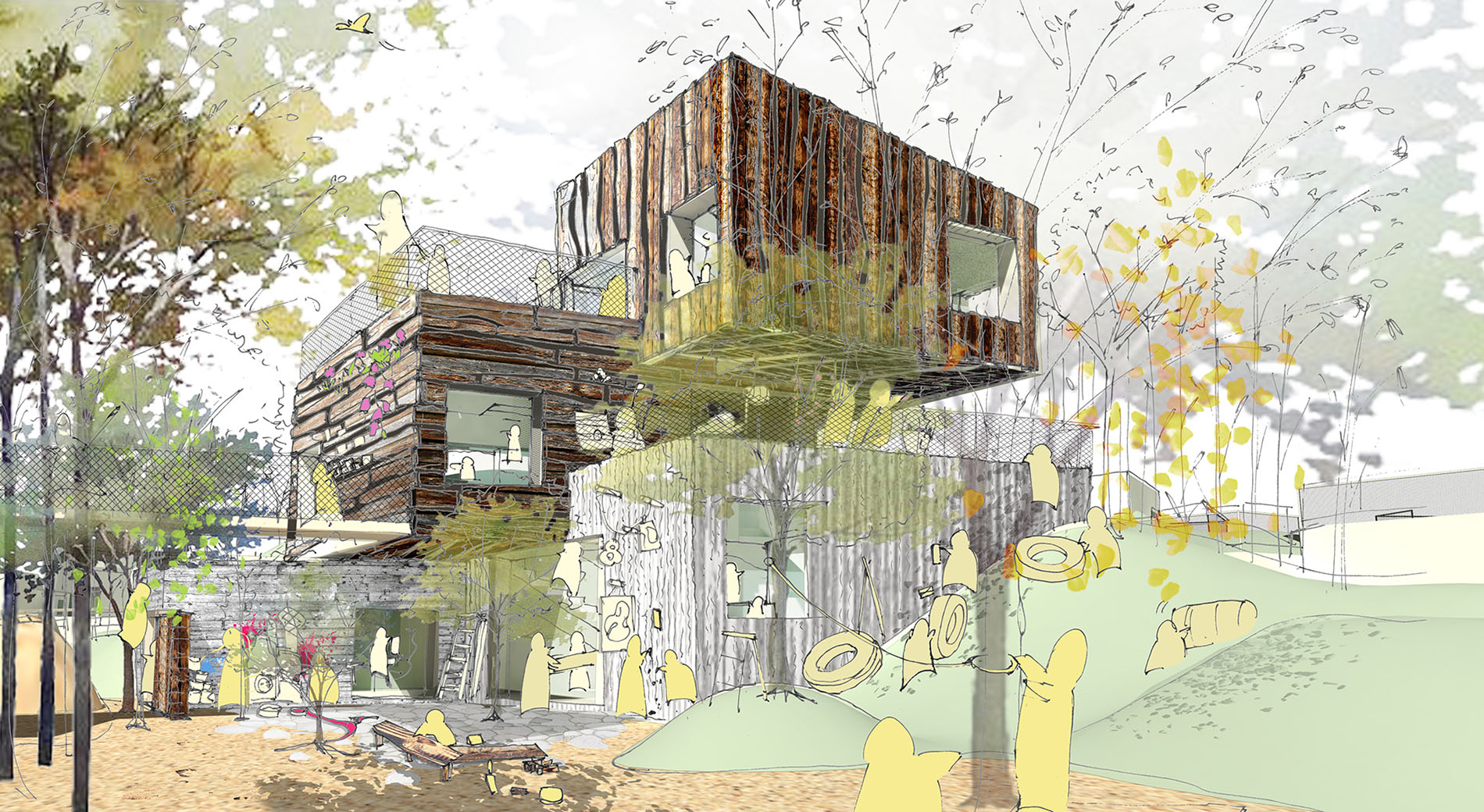
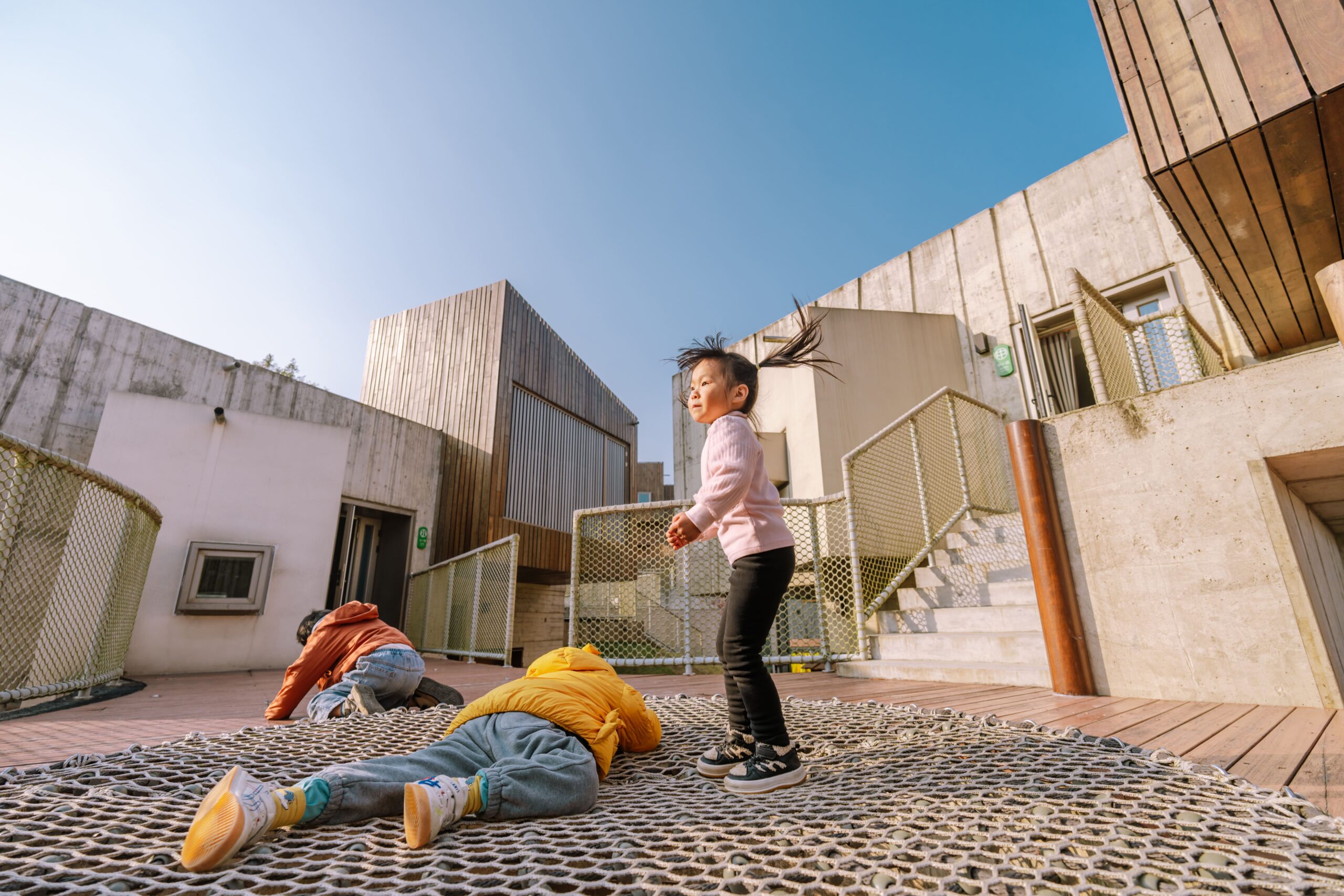
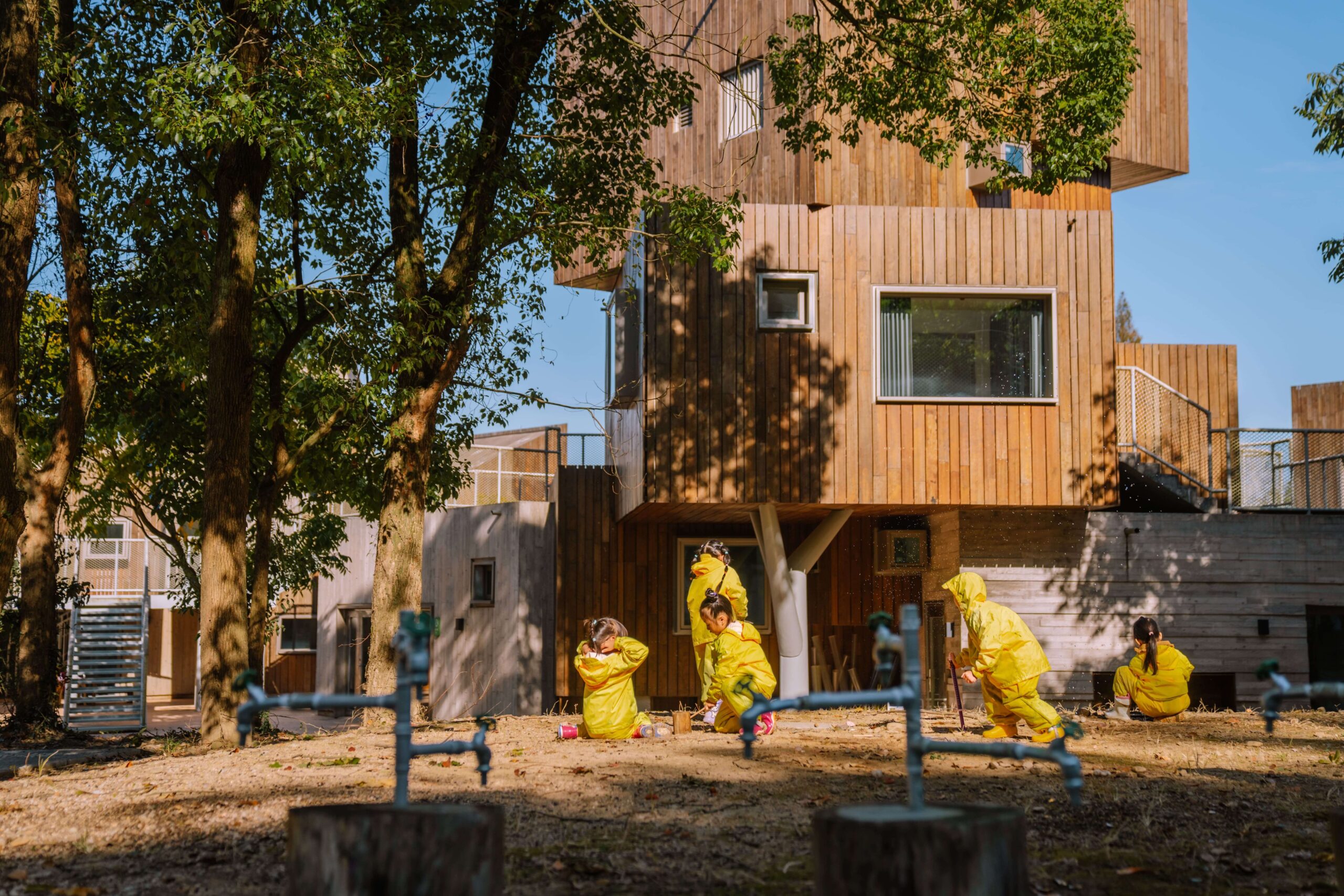
Rooted in the principles of Anji Play, a 21st-century early childhood education movement founded by Cheng Xueqin, the design of the Anji Campus introduces open-ended, self-directed play in minimally structured environments, supporting children’s innate capacity for exploration, creativity, and decision-making.

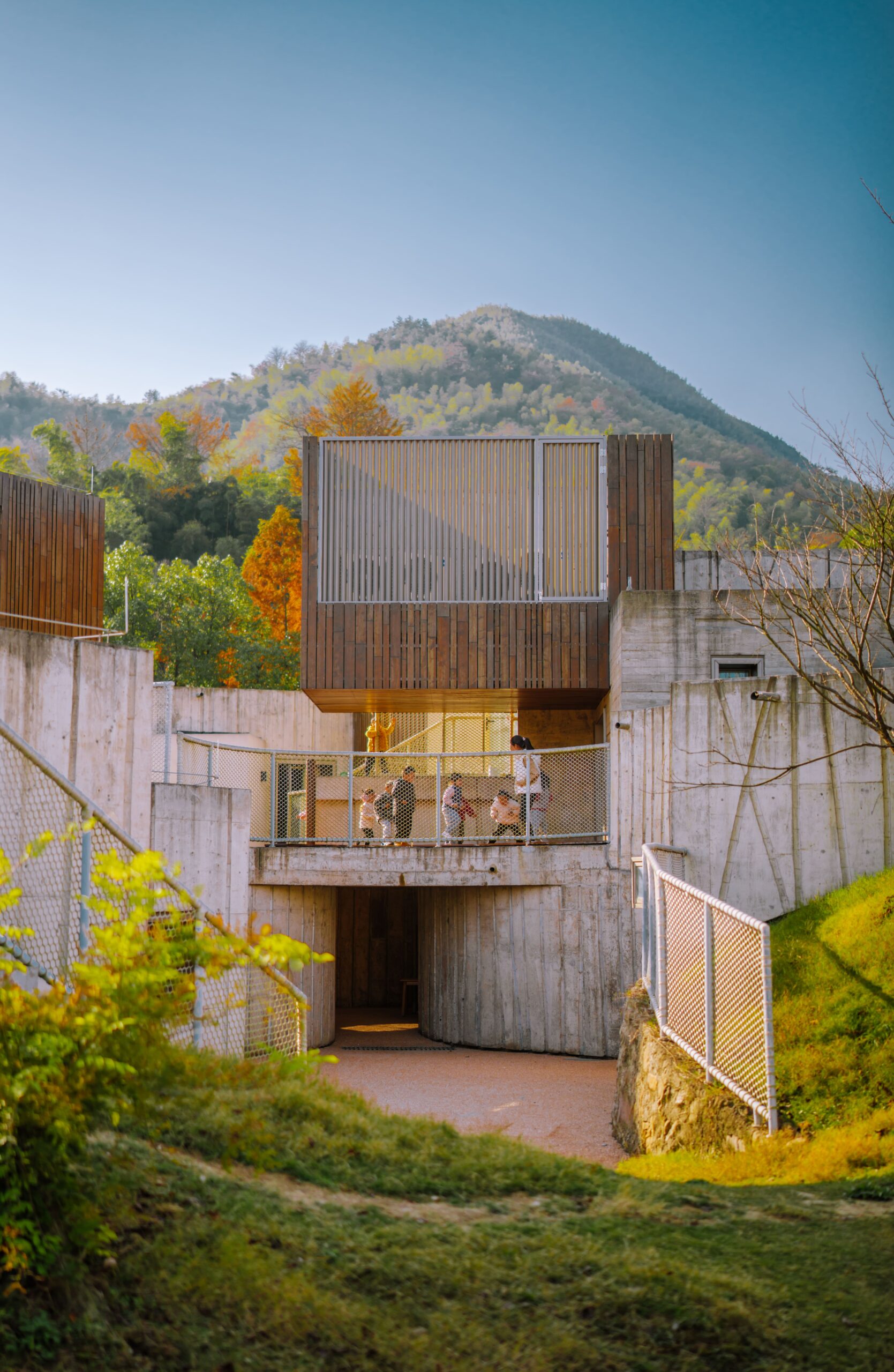
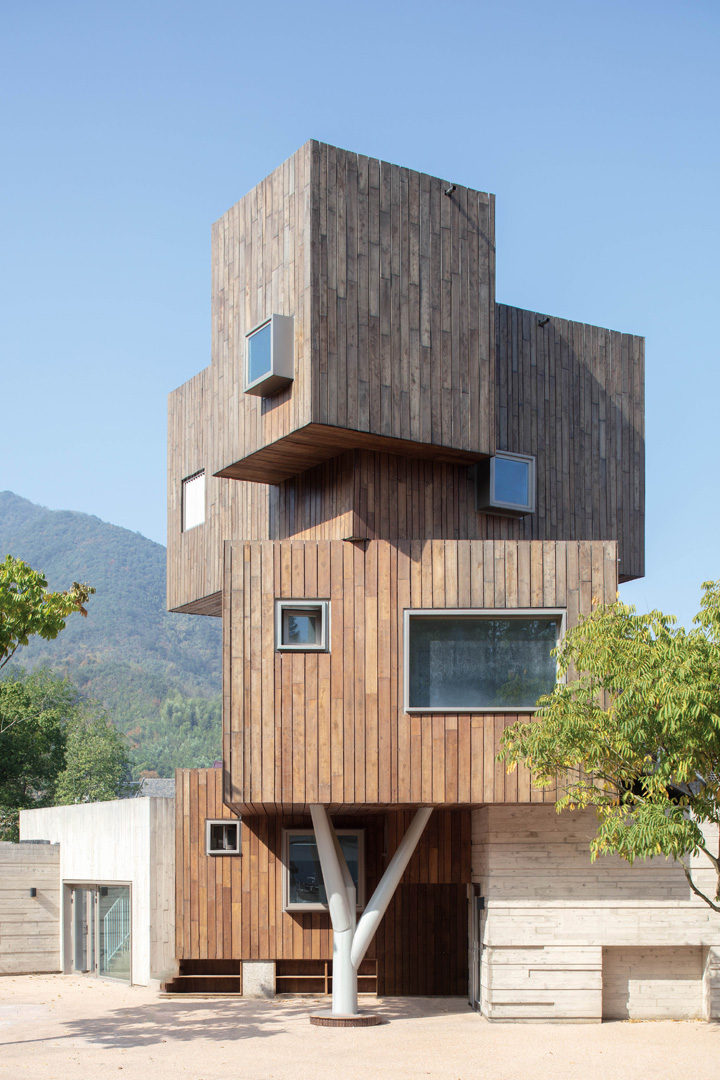
The fundamentals of Cheng Xueqin’s philosophy—that children have a right to space, freedom, discovery, materials, nature, and time—ground the design. The architecture remains deliberately neutral, placing ecology in the foreground and integrating seamless transitions between spaces. The buildings are elemental in form—simple enough for phenomena to be experienced, not dictated, and encouraging children to trust and engage with their environment.

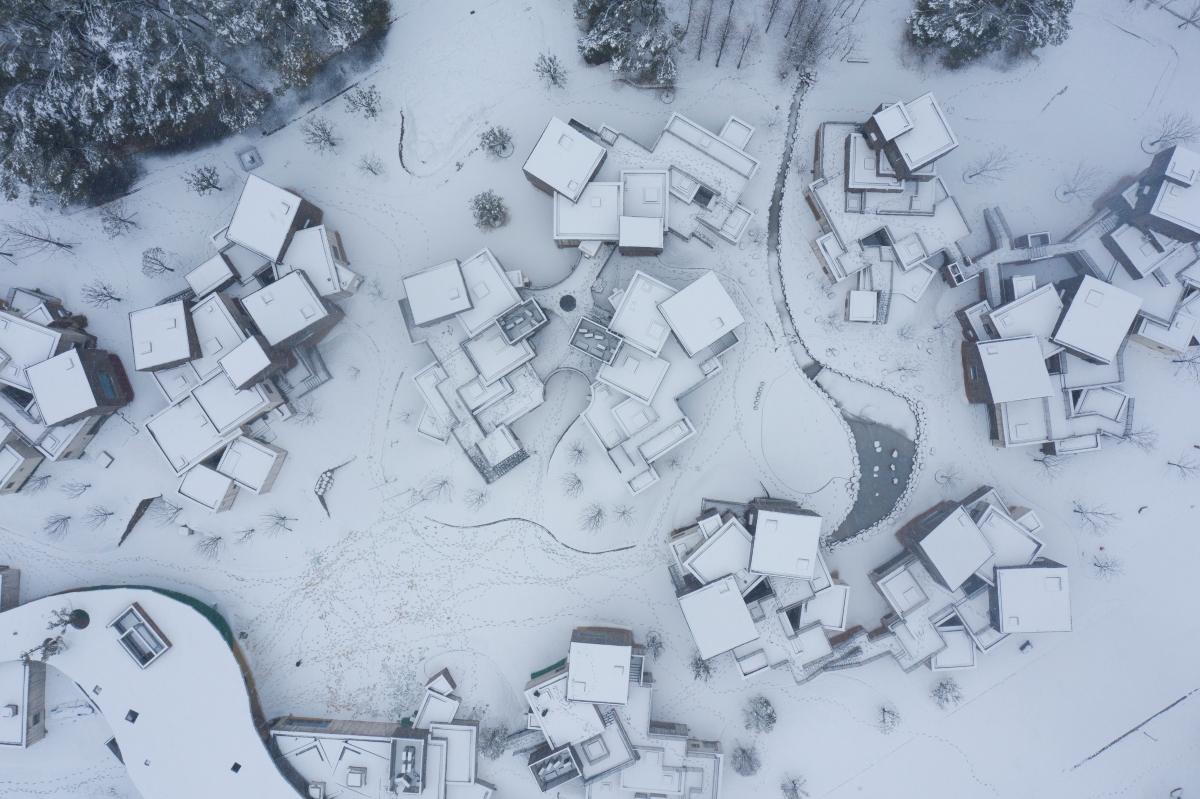
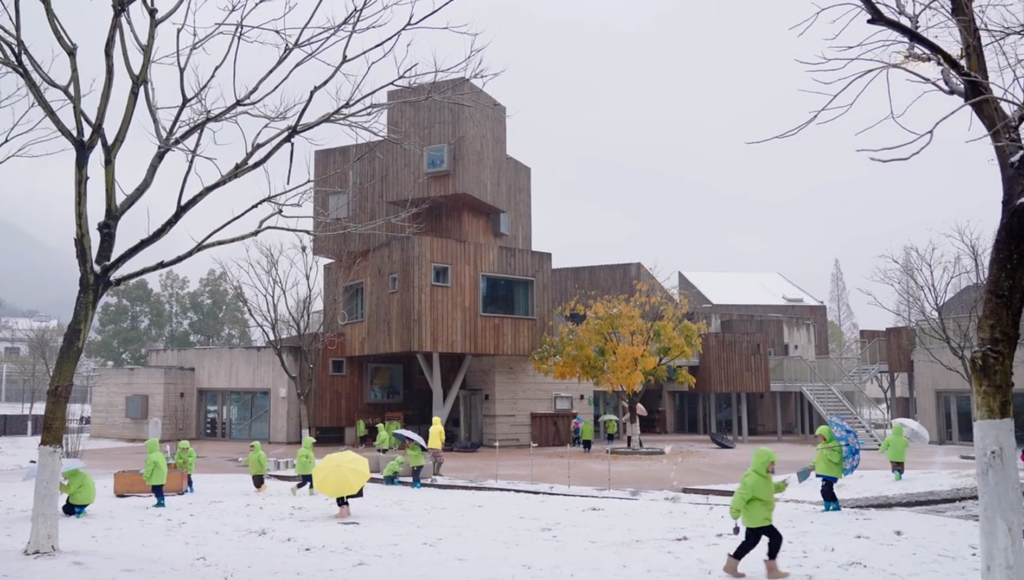
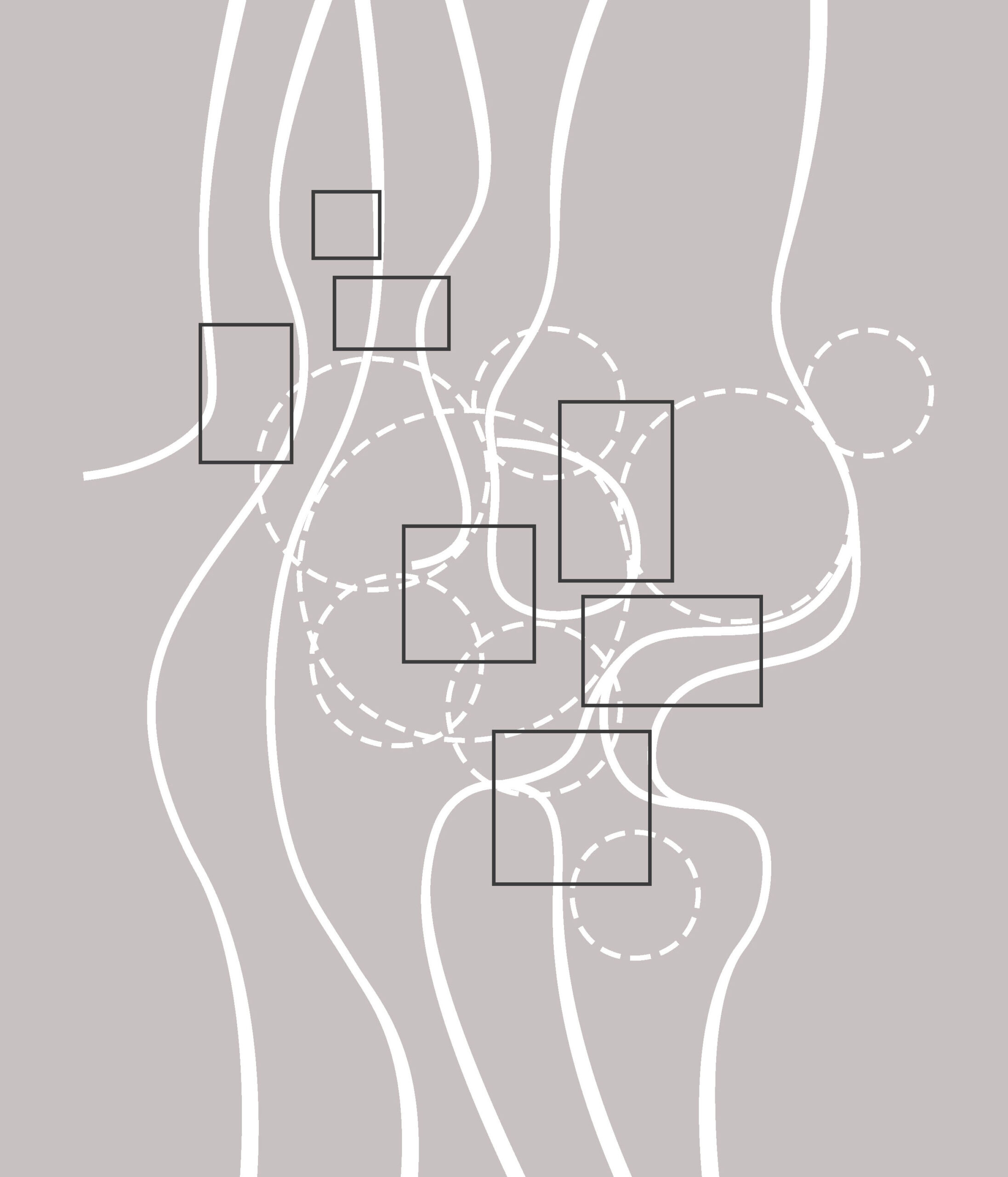
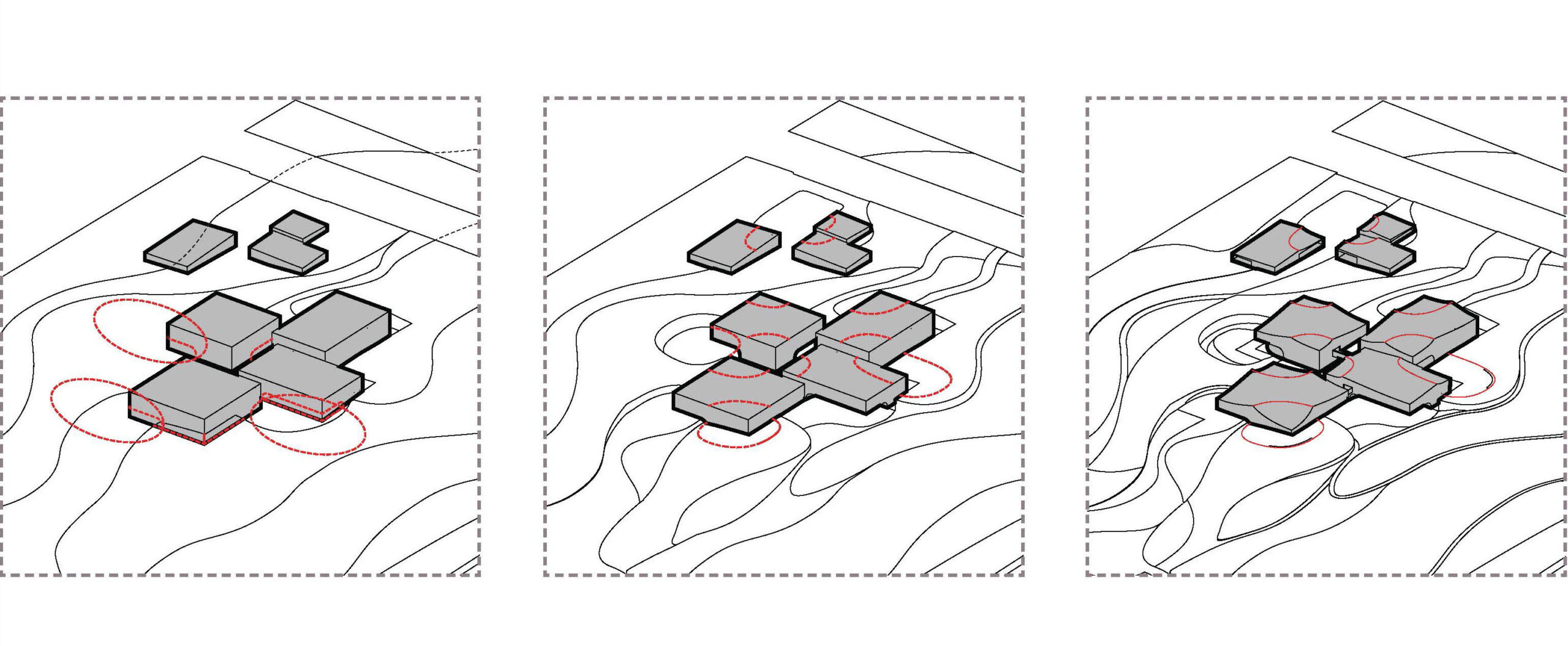
A natural playscape emerges from the site, organized into five clusters connected by a ramp constructed from Anji bamboo. These clusters dissolve into sixteen homerooms that each share a common building block while remaining unique in form. More than just spaces to play, learn, and grow, the homerooms also become a true home for the students.

Project Gallery

Stone Carving Museum

Stone Carving Museum

Design: 2021-Ongoing

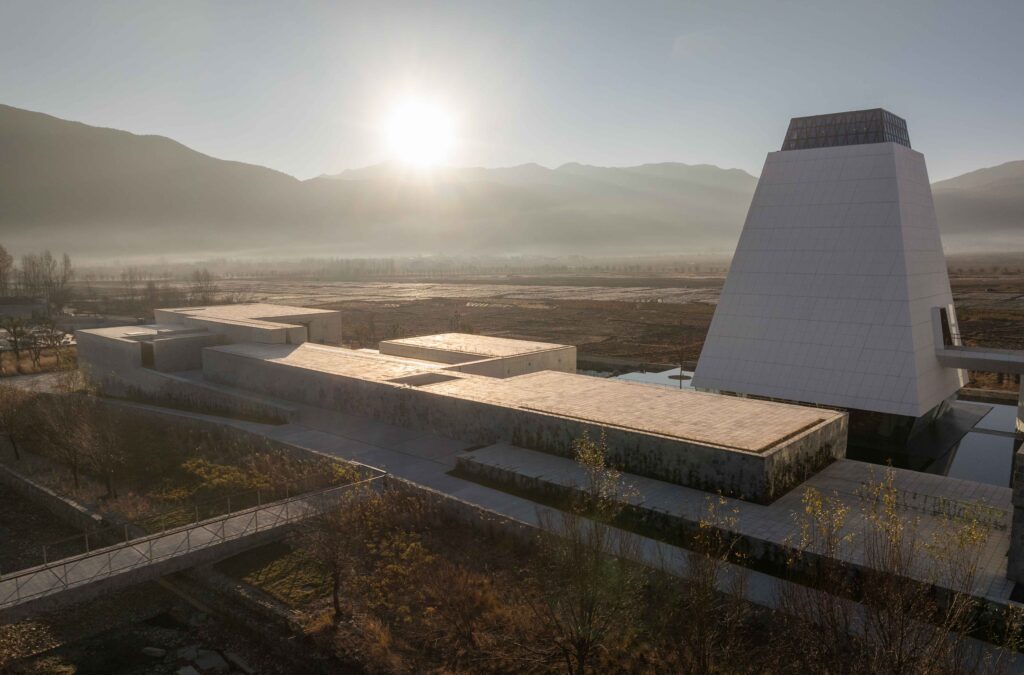
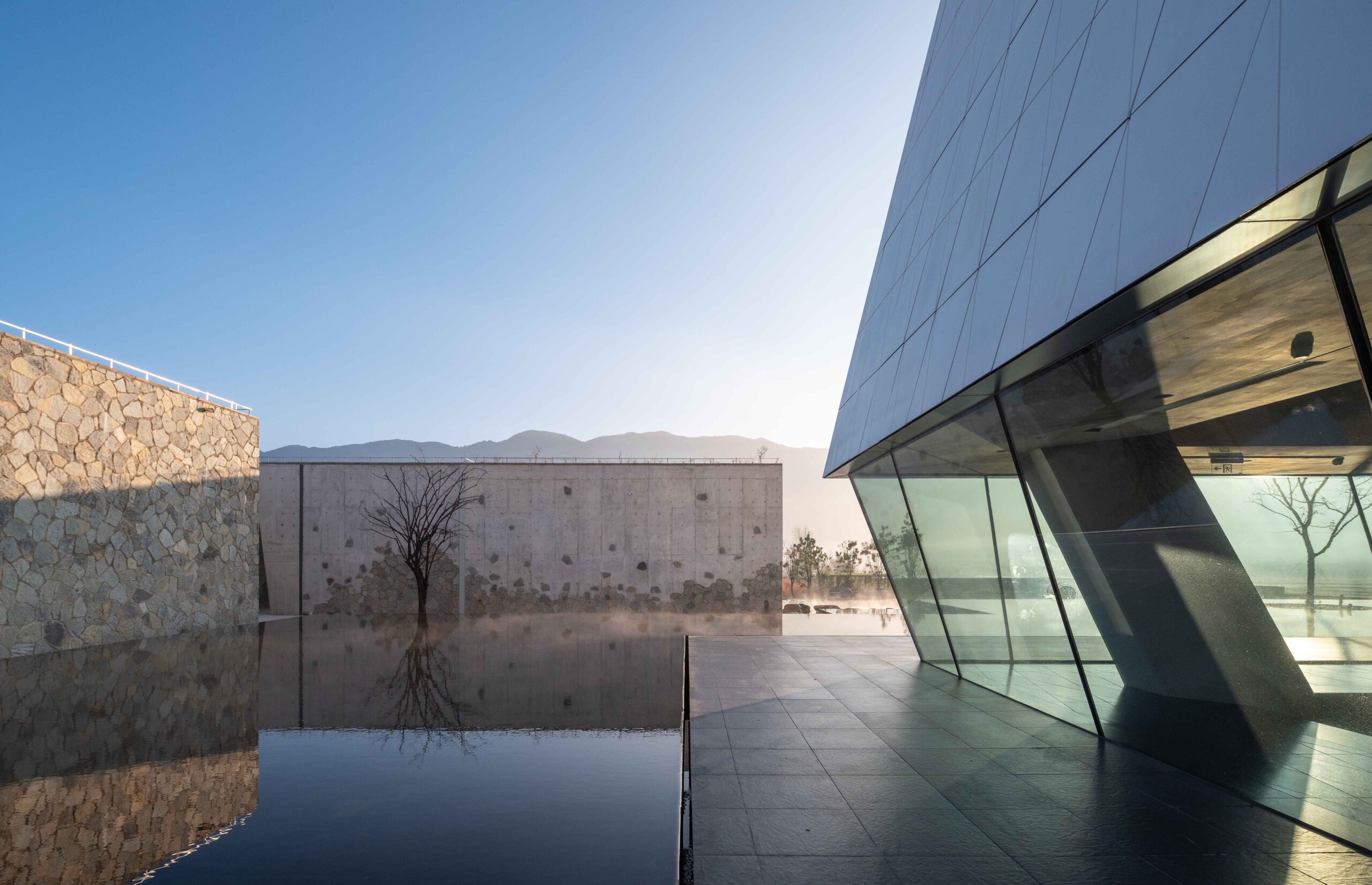
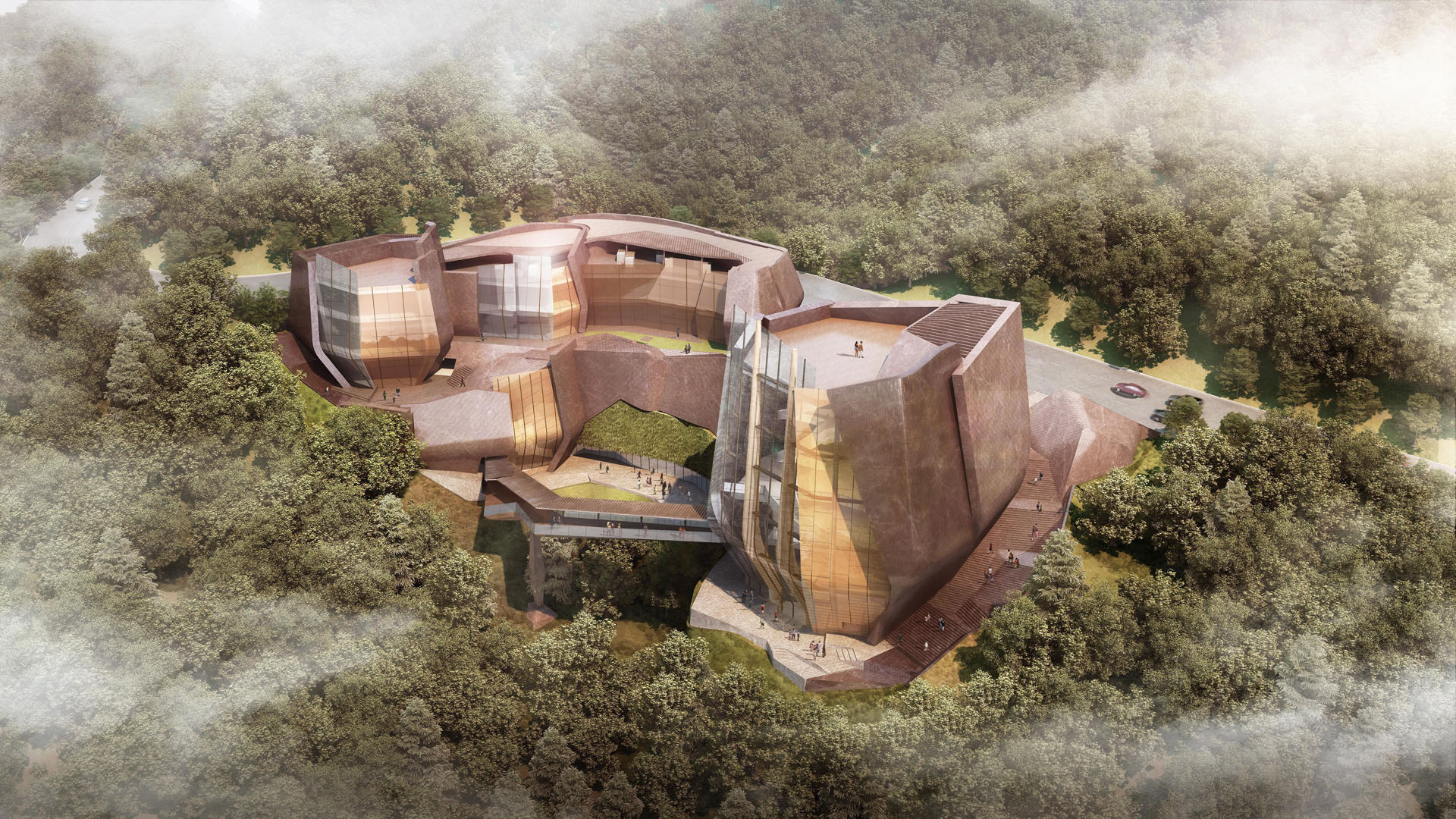
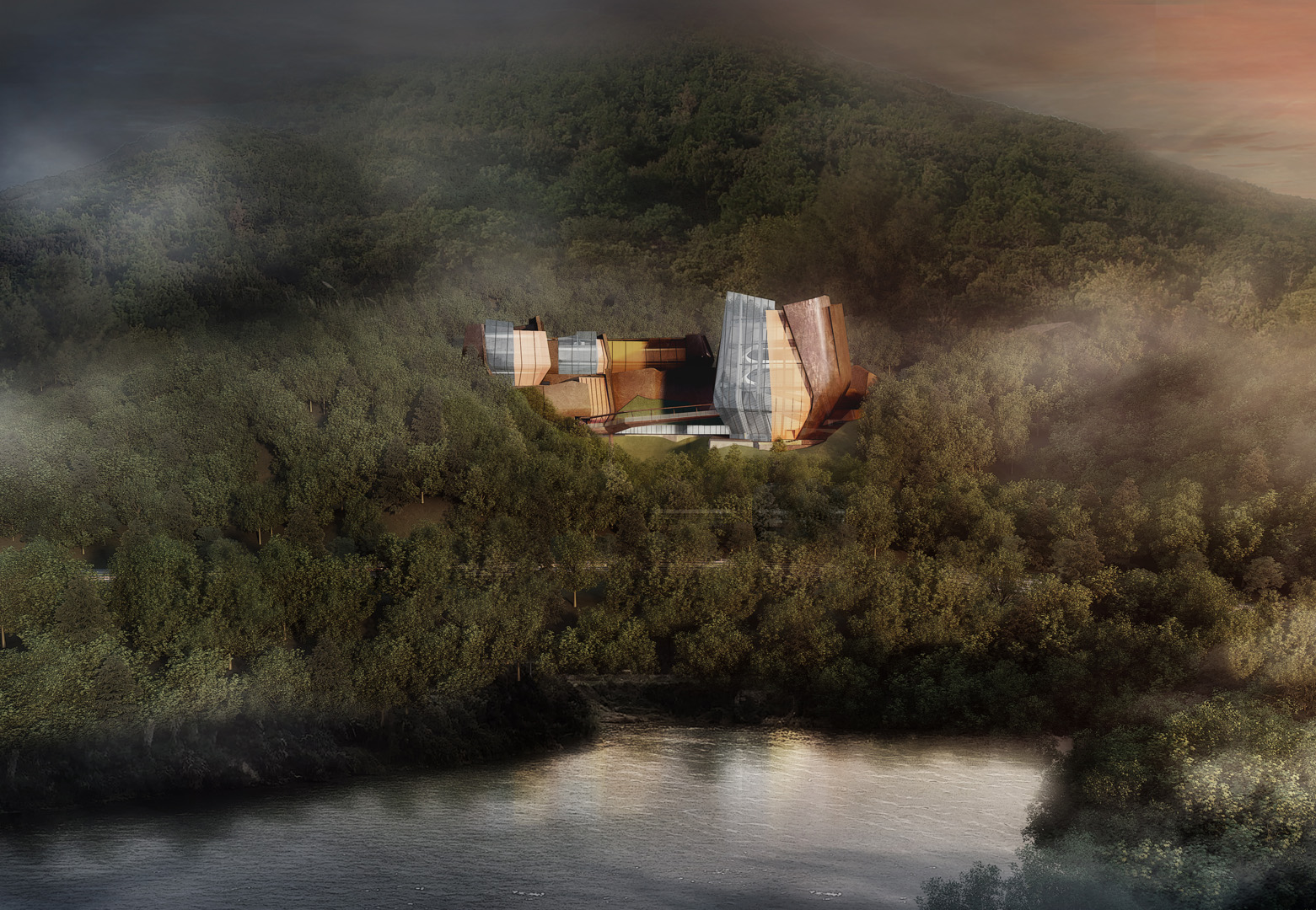
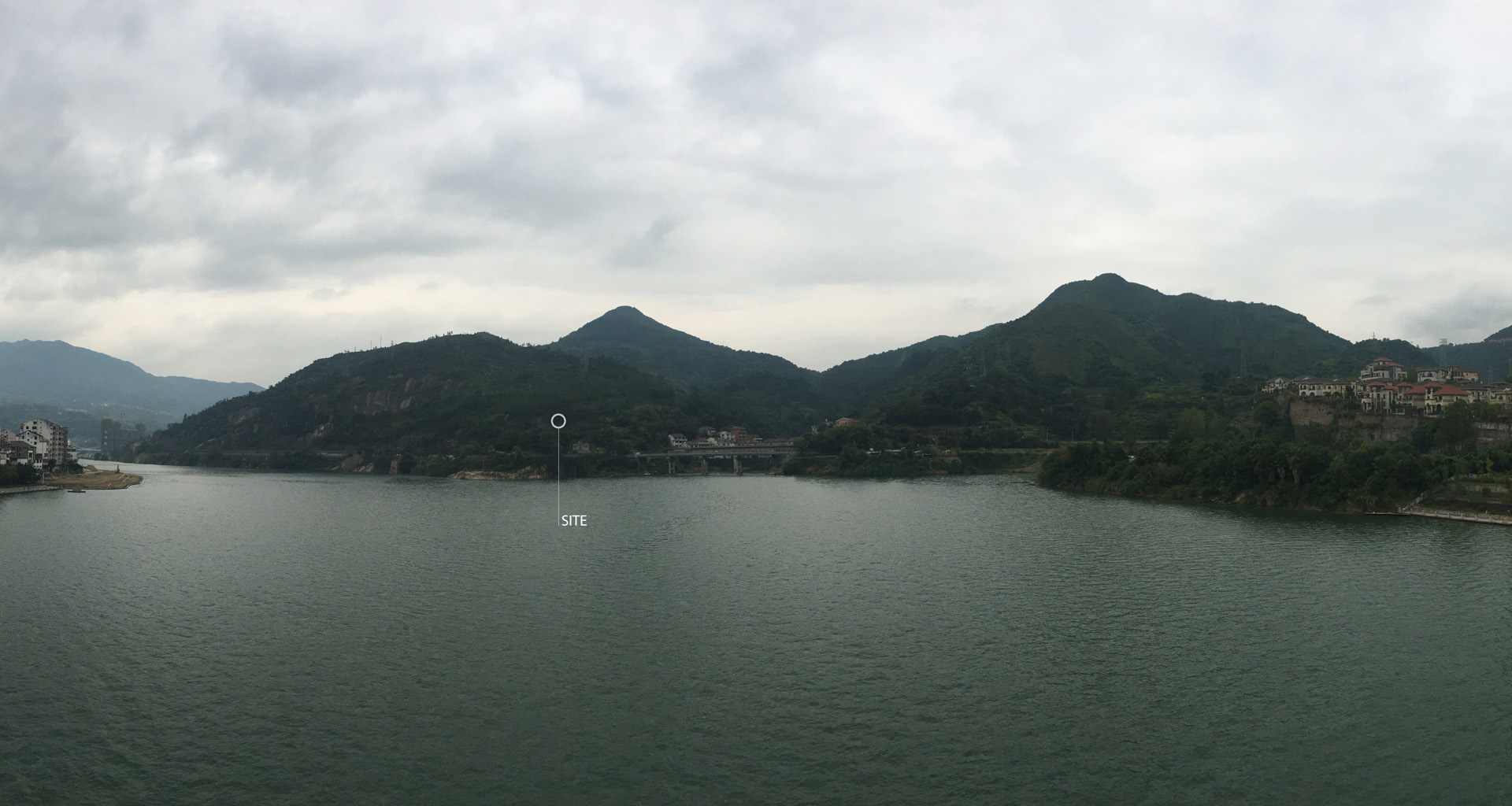
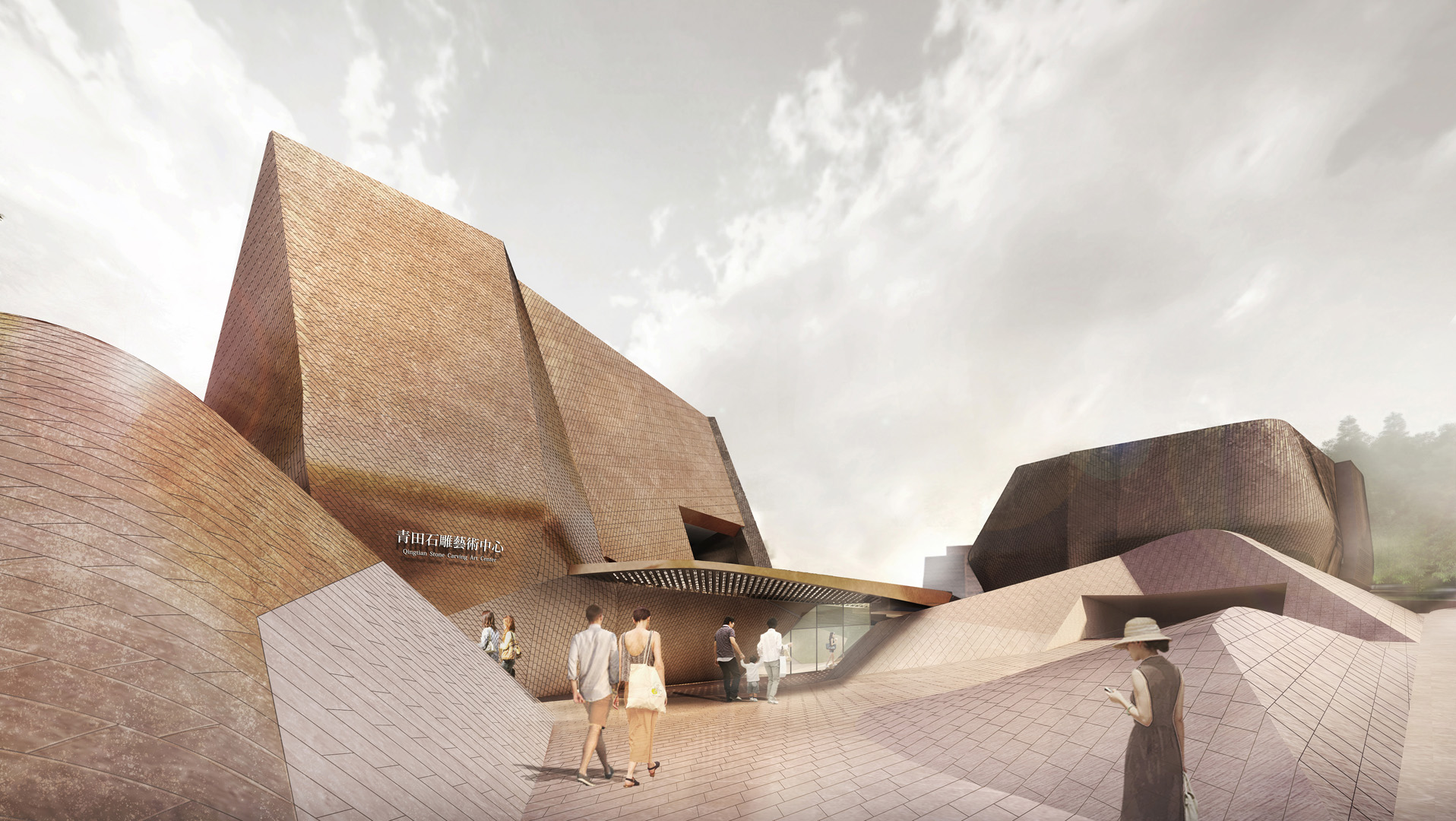
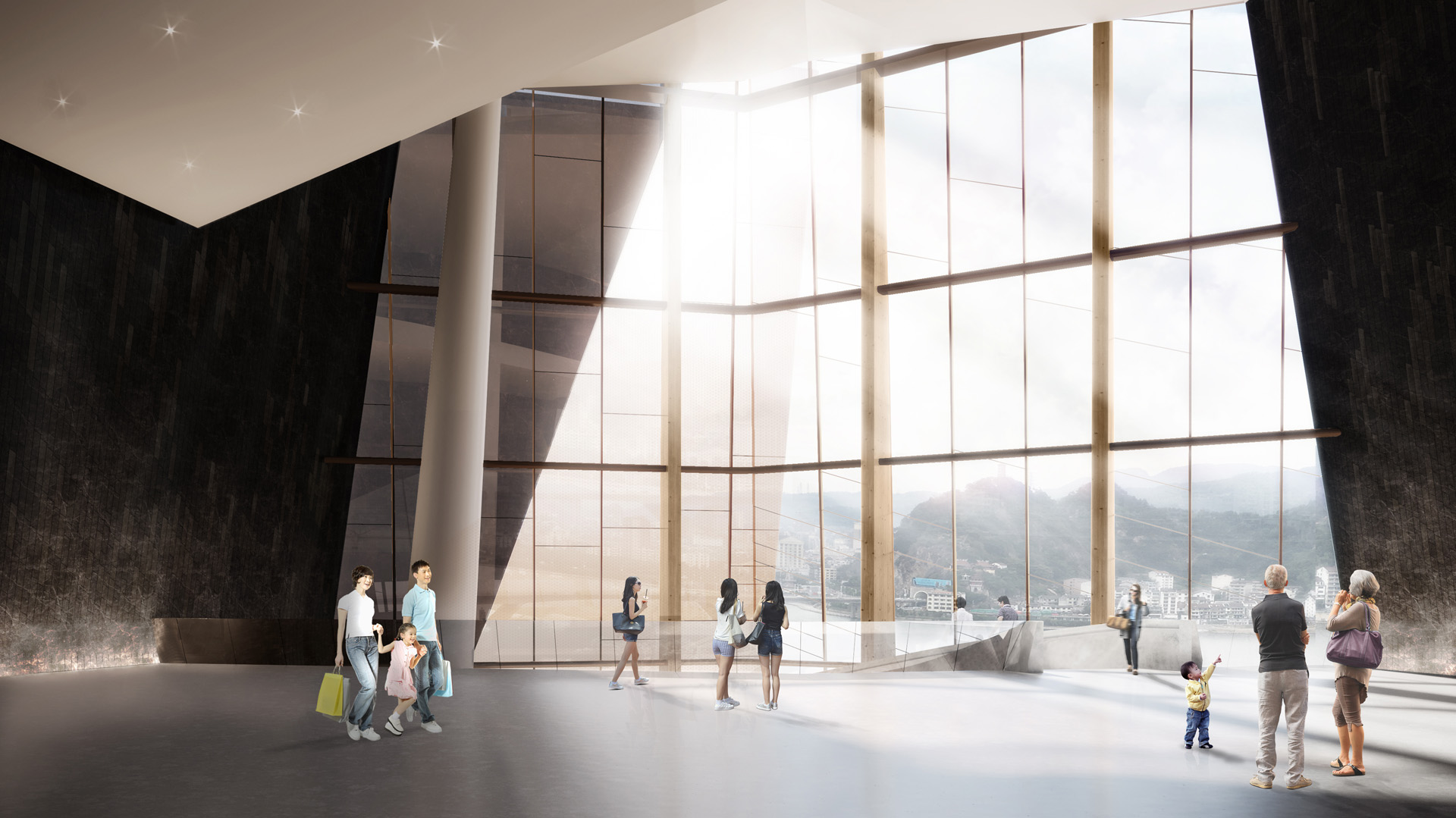
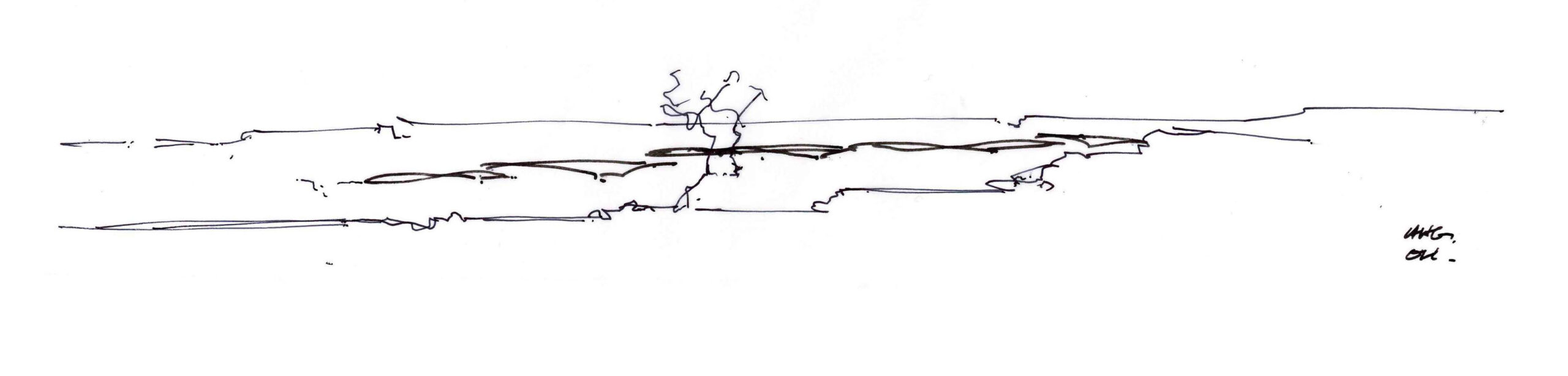
The Qingtian Stone Carving Art Center will be the premier destination for thousand-year-old art of “Embroidery on Stone,” recognized as one of China’s national intangible cultural heritage treasures. Rising from Dongbao Mountain on a promontory overlooking Li Shui City and the Ou river, the Center forms theheart of the Dongbao Mountain Overseas Chinese Cultural and Museum Ecological City.

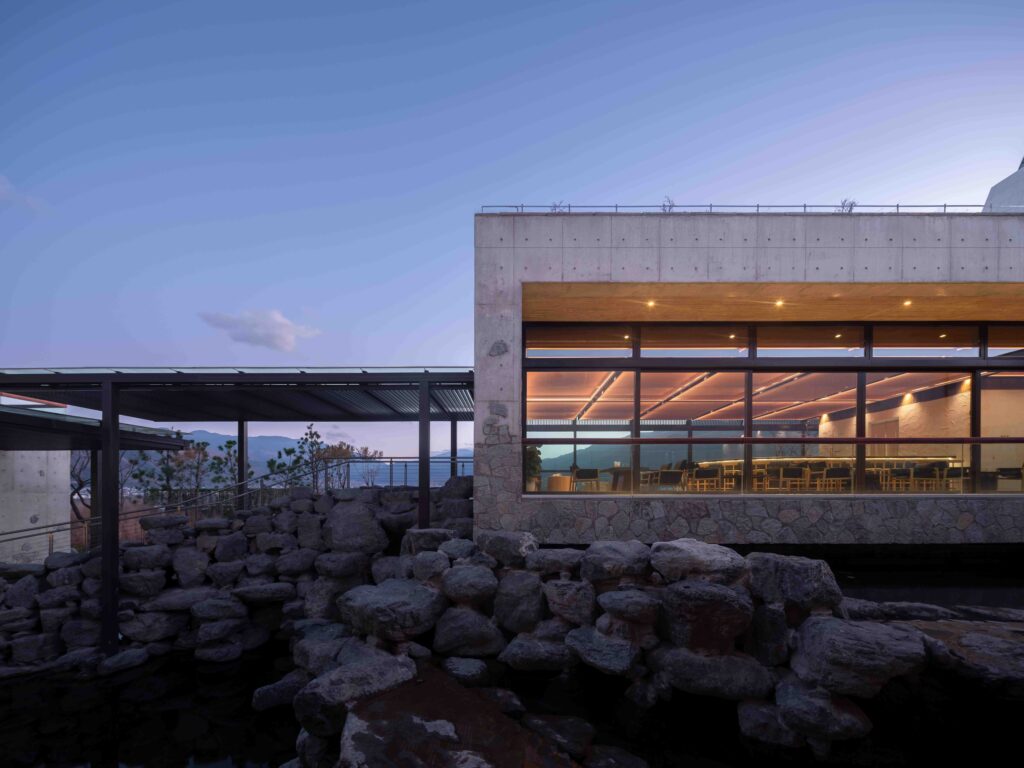

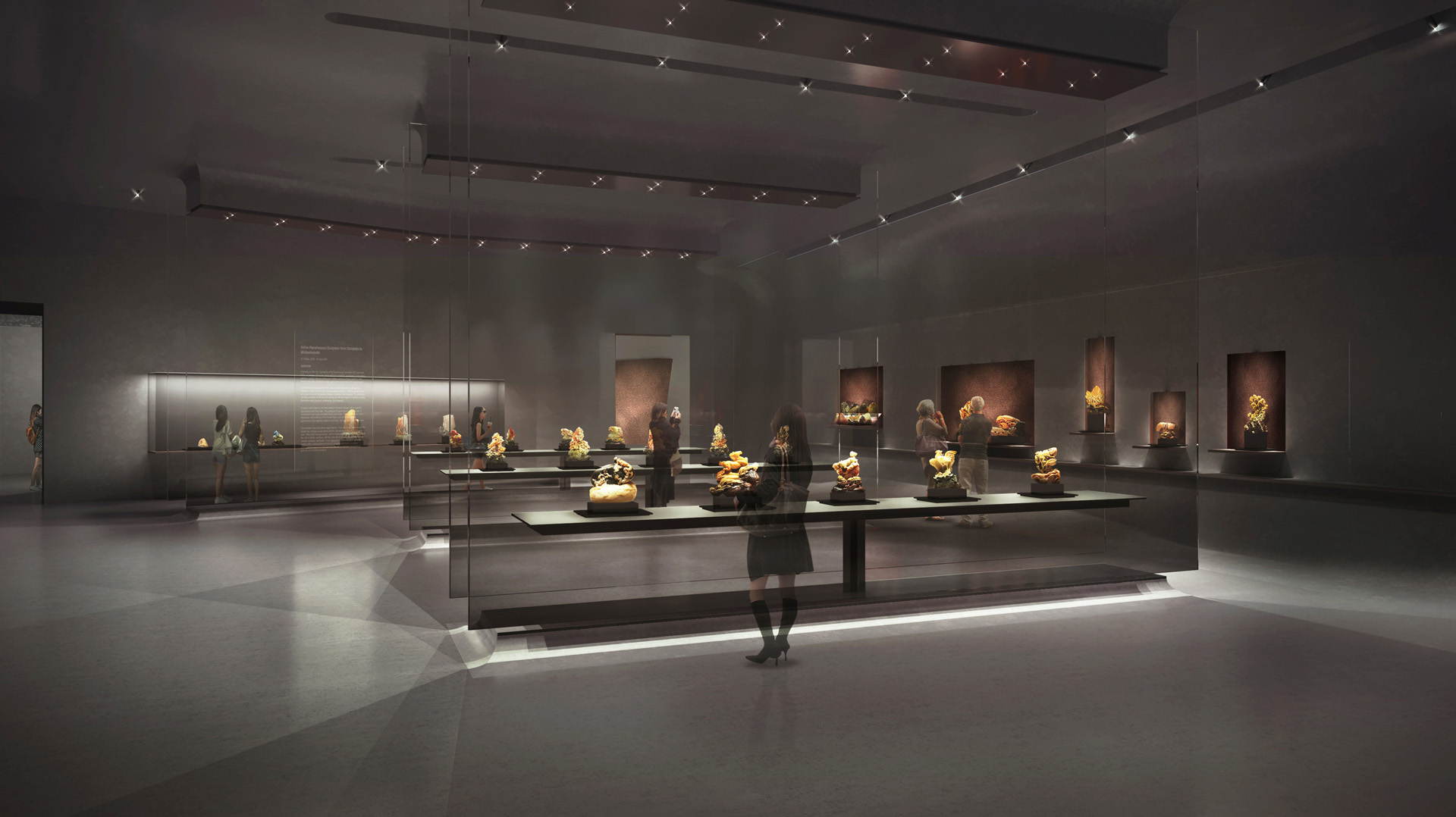
Drawing from Qingtian’s renowned stone-carving traditions, the design rises out of the earth as if carved from the site’s distinct topography, integrating with the natural surroundings and offering expansive views across Li Shu City. The program accommodates numerous permanent galleries, two temporary galleries, educational and multipurpose spaces, artist residences, an upscale restaurant, and a museum café.

Project Gallery

MuXin Art Museum

Design: 2011-2015
Construction: 2012-2015
Area: 6,700 m2

• Winner of the 2016 AIANYS Award of Merit: Architecture/Institutional.
• Winner of the 2016 German Design Council Iconic Award Best of Best: Museum Architecture.
• Shortlist Finalist for the 2016 World Architecture Festival: Culture/Completed Buildings.
• Winner of the 2015 Concrete Industry Board: Roger H. Corbetta Award of Merit, Out of Country.
• Financial Times – Simon Schama’s 10 Forgotten Wonders of the World
• Artinfo – Top 5 New Museums in Asia 2016

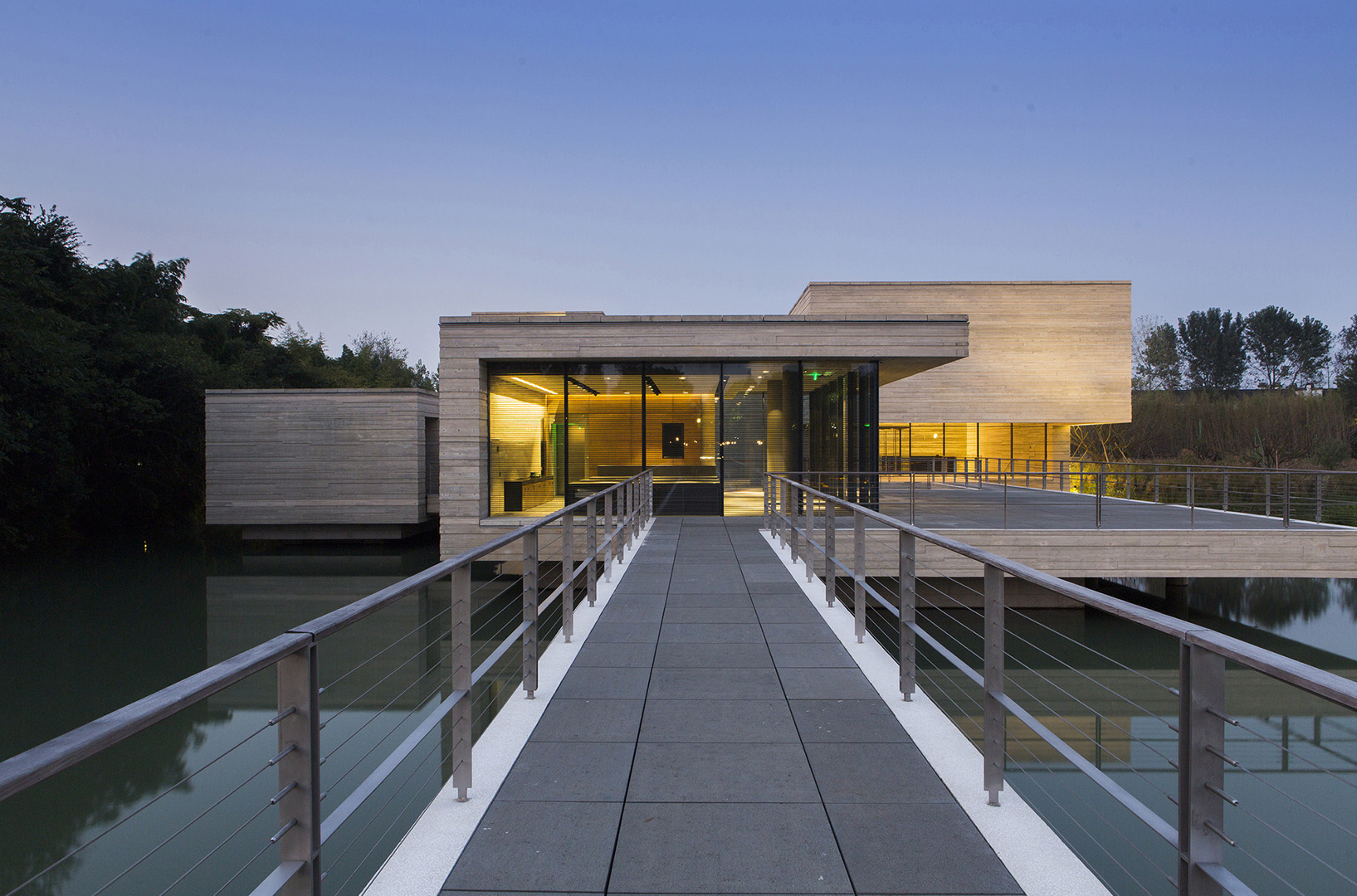
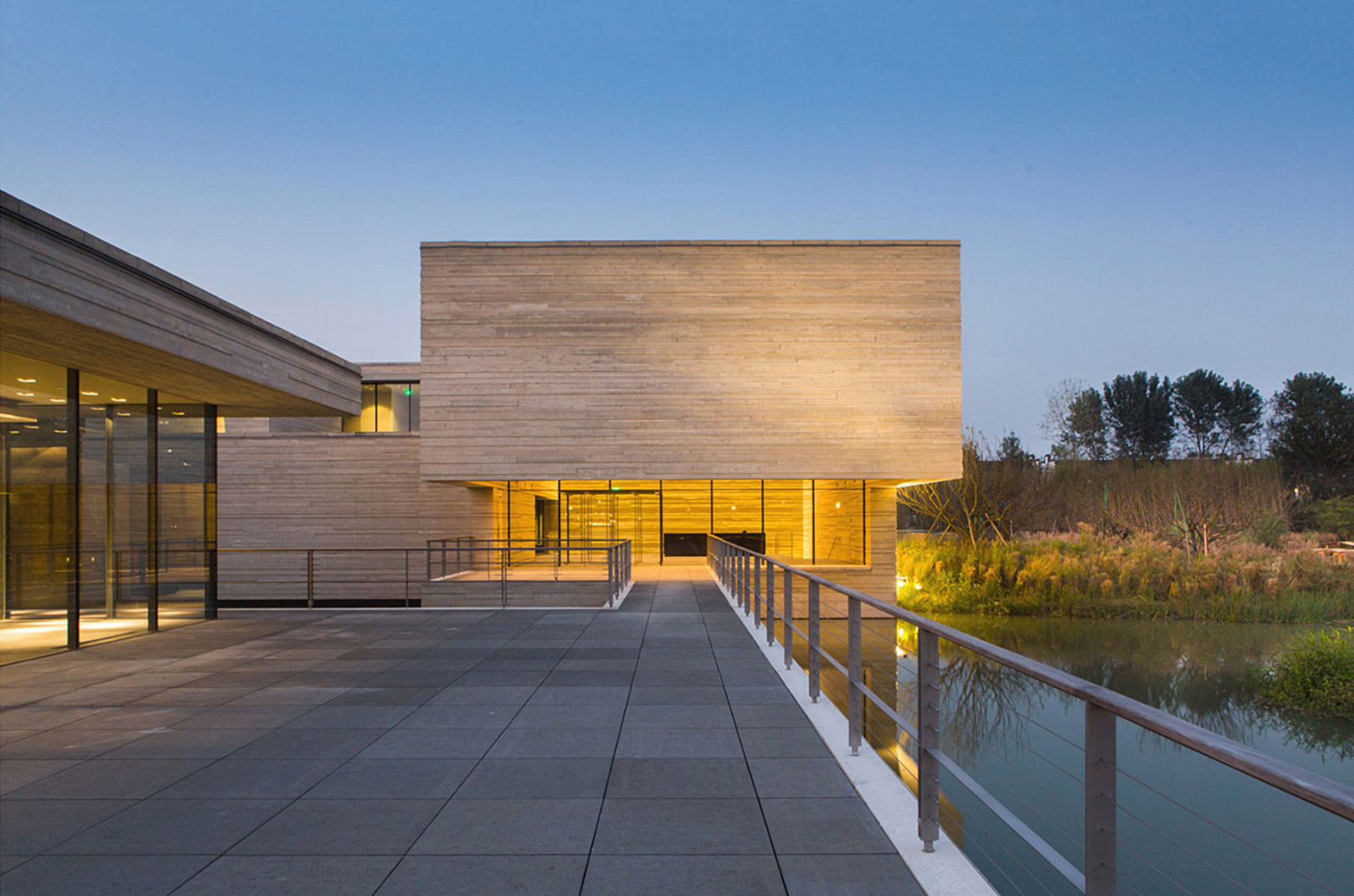
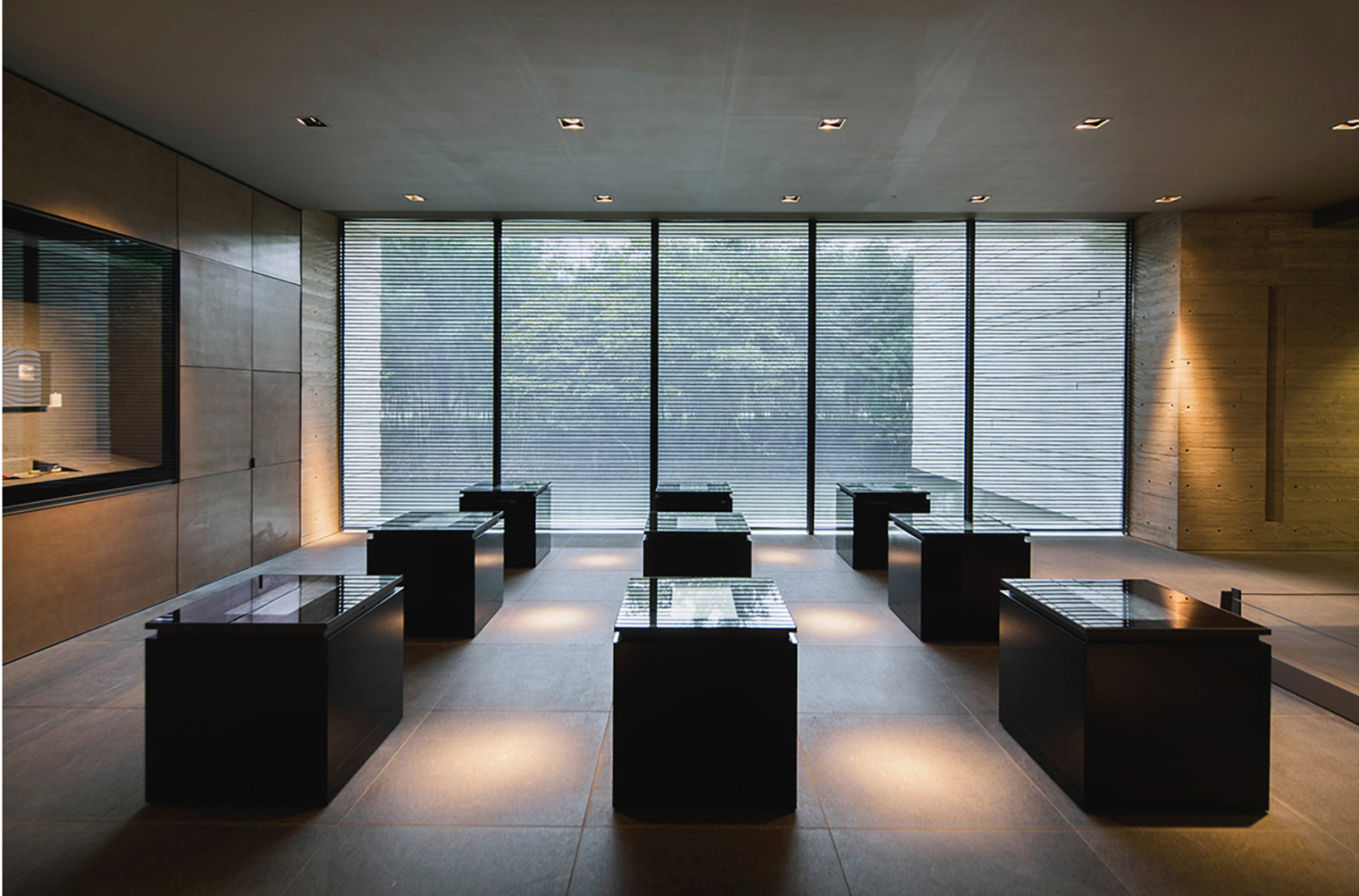
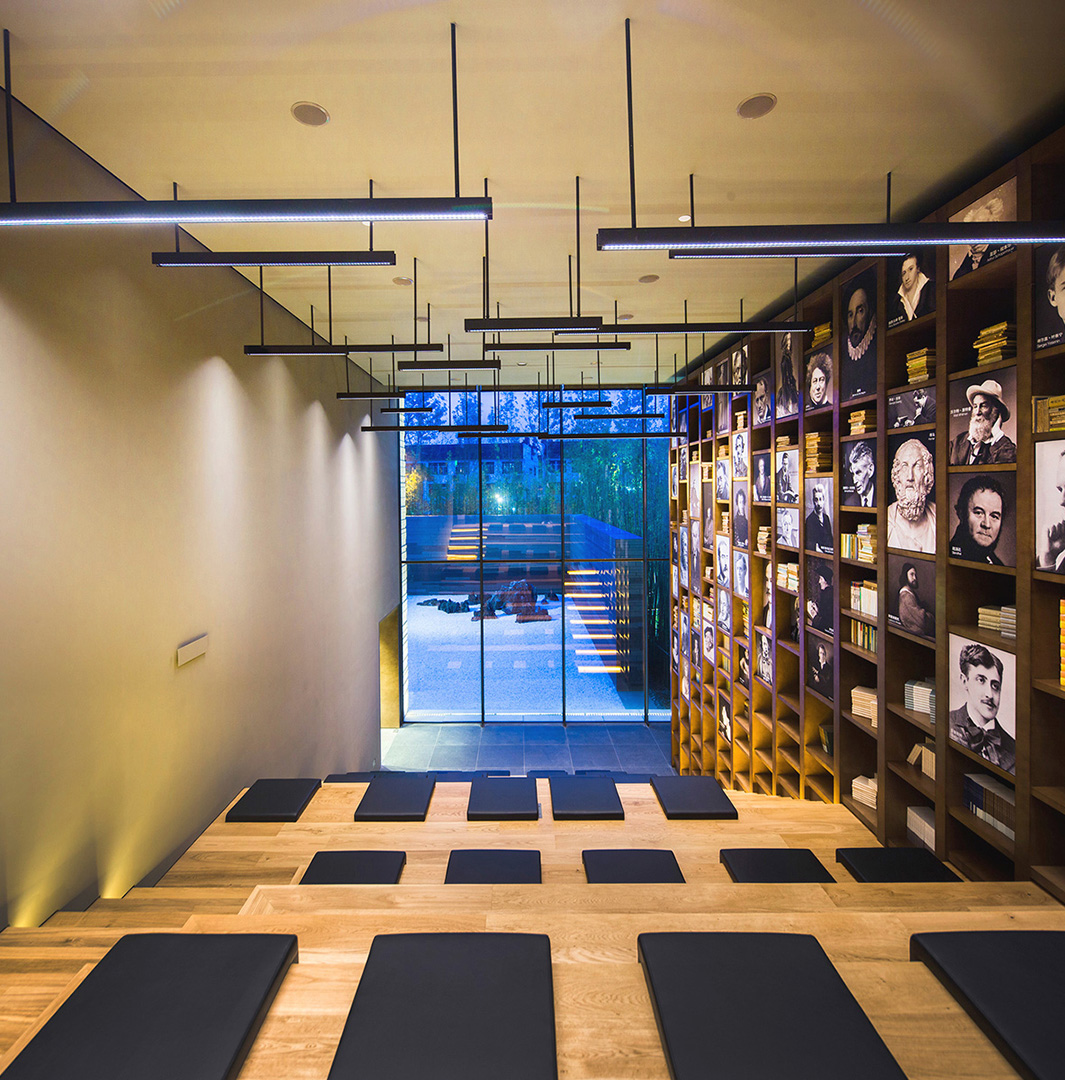
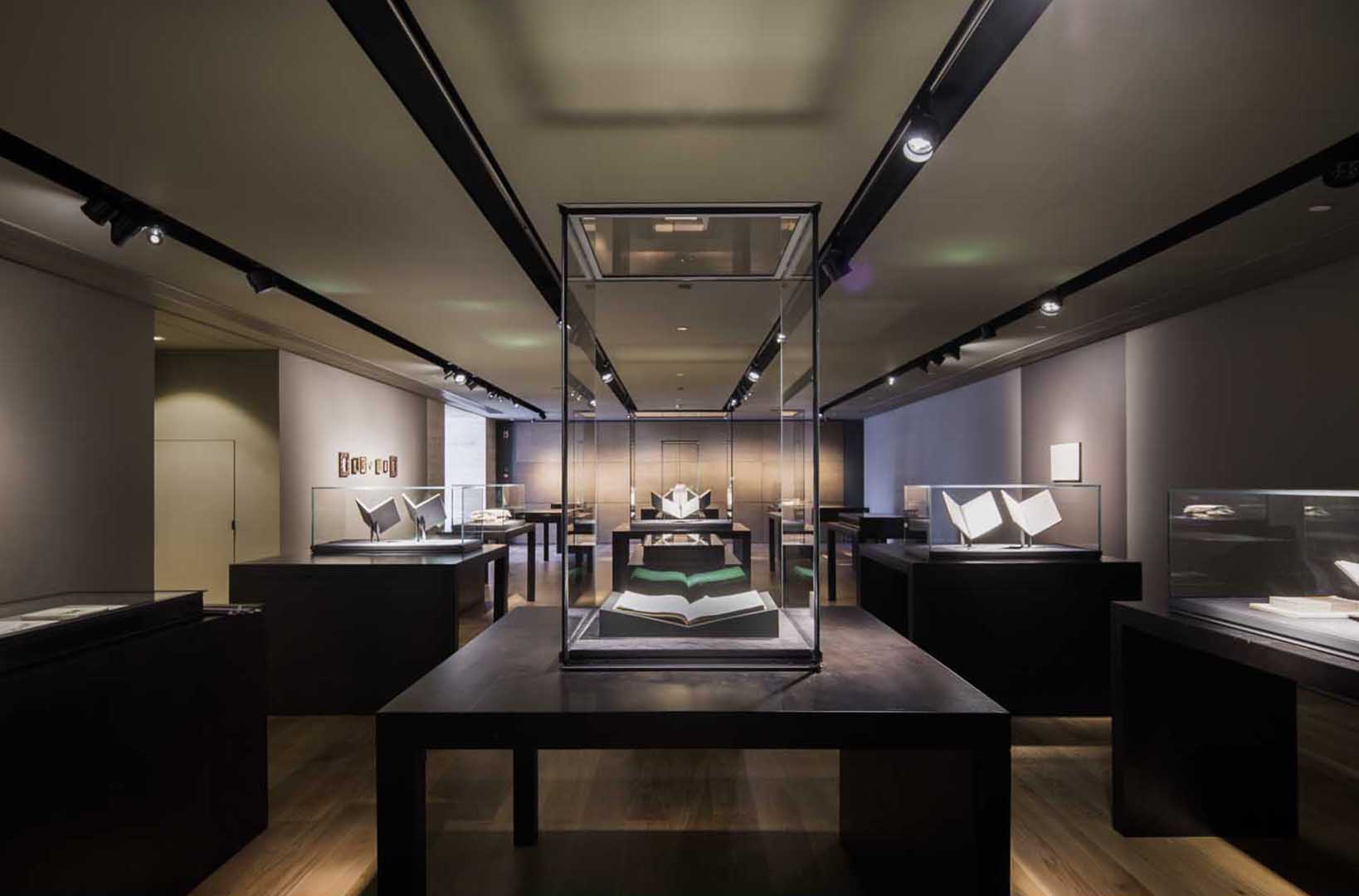
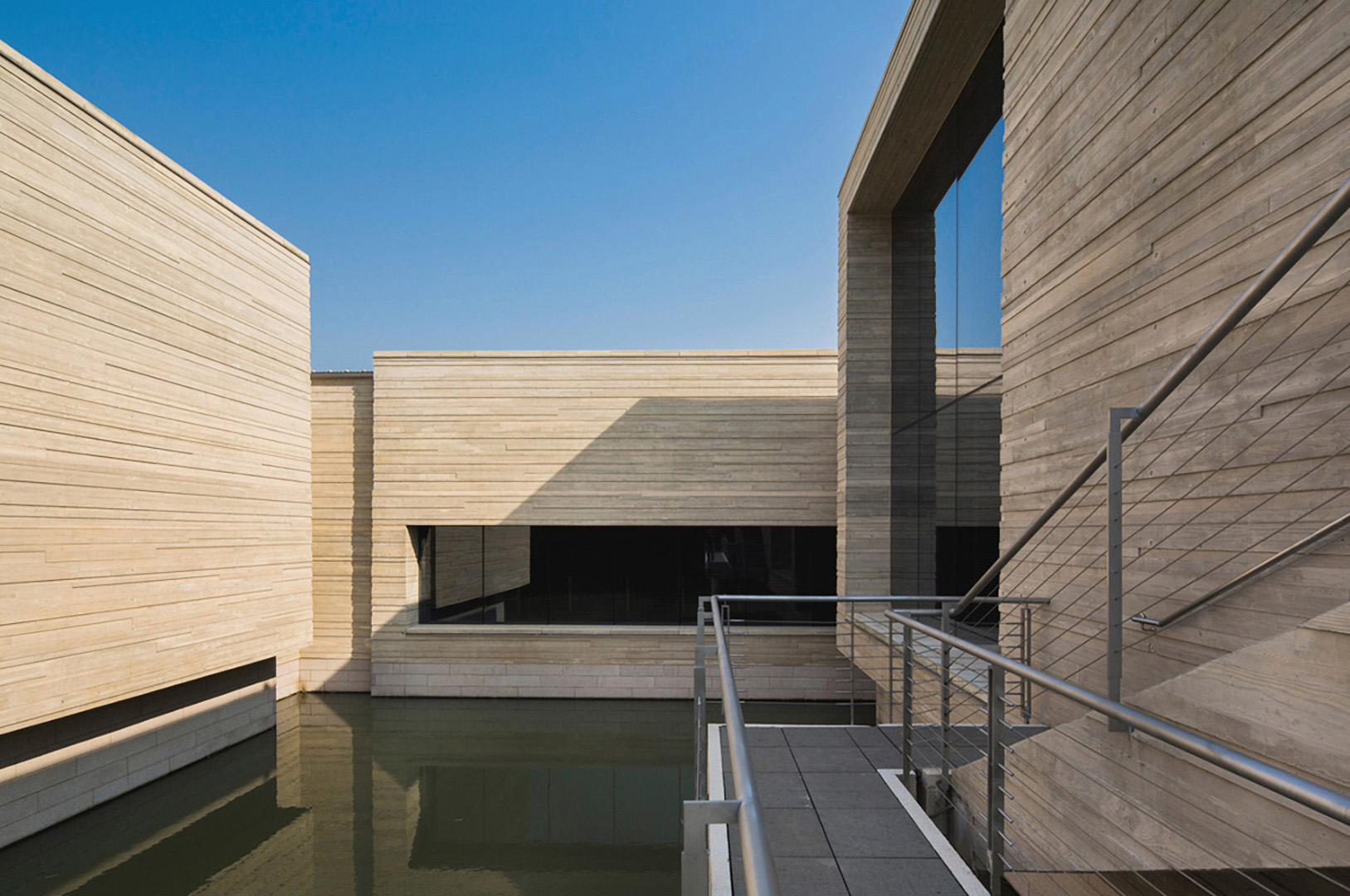
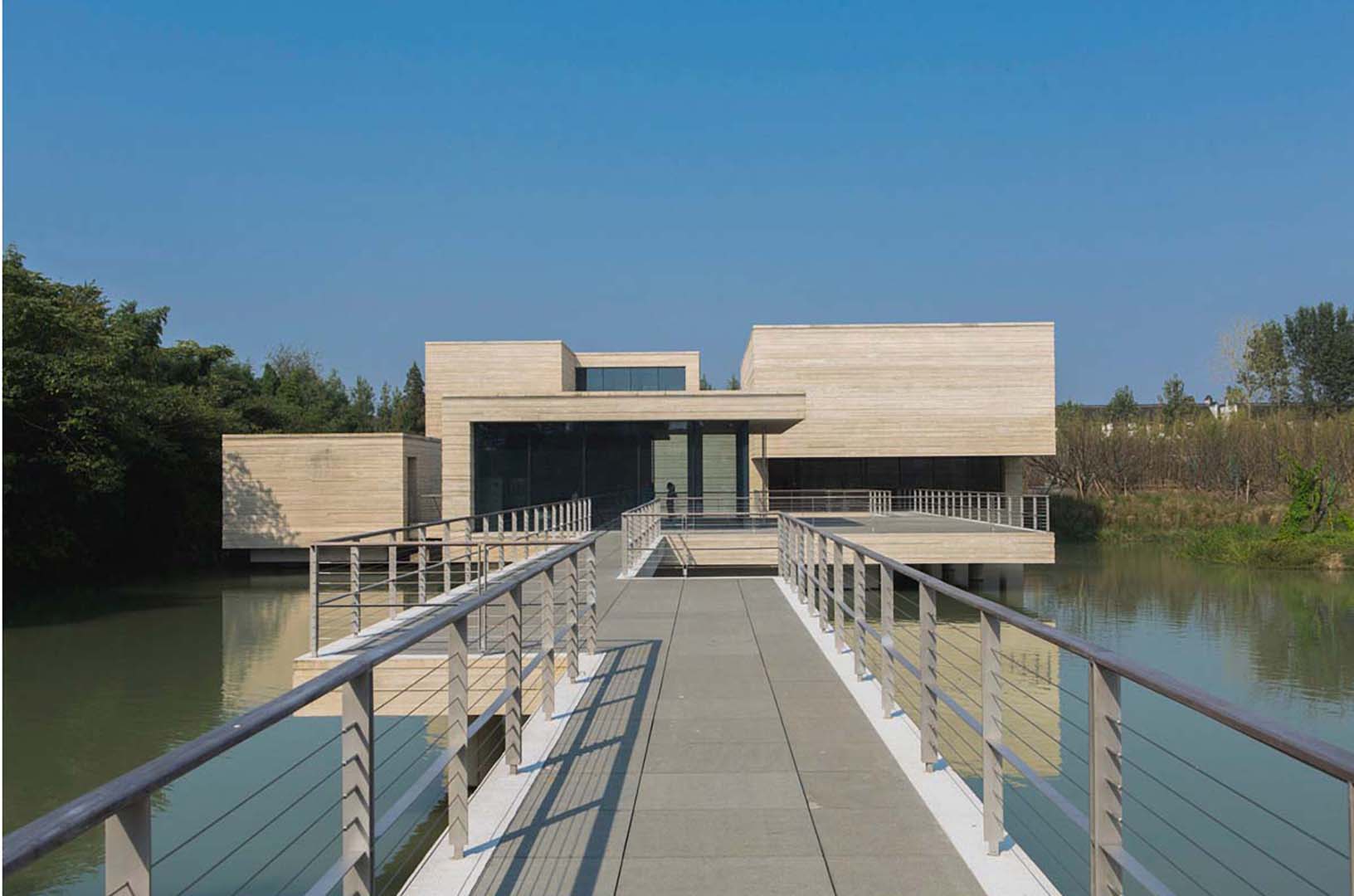
Located in the historic water town of Wuzhen, China, this museum is dedicated to the late Mu Xin, a celebrated local painter, poet, and writer. A complex figure with a prolific body of work, Mu Xin was imprisoned during the Cultural Revolution and later emigrated to the United States—experiences that deeply influenced his art, which explored space as a physical construct and psychological state.

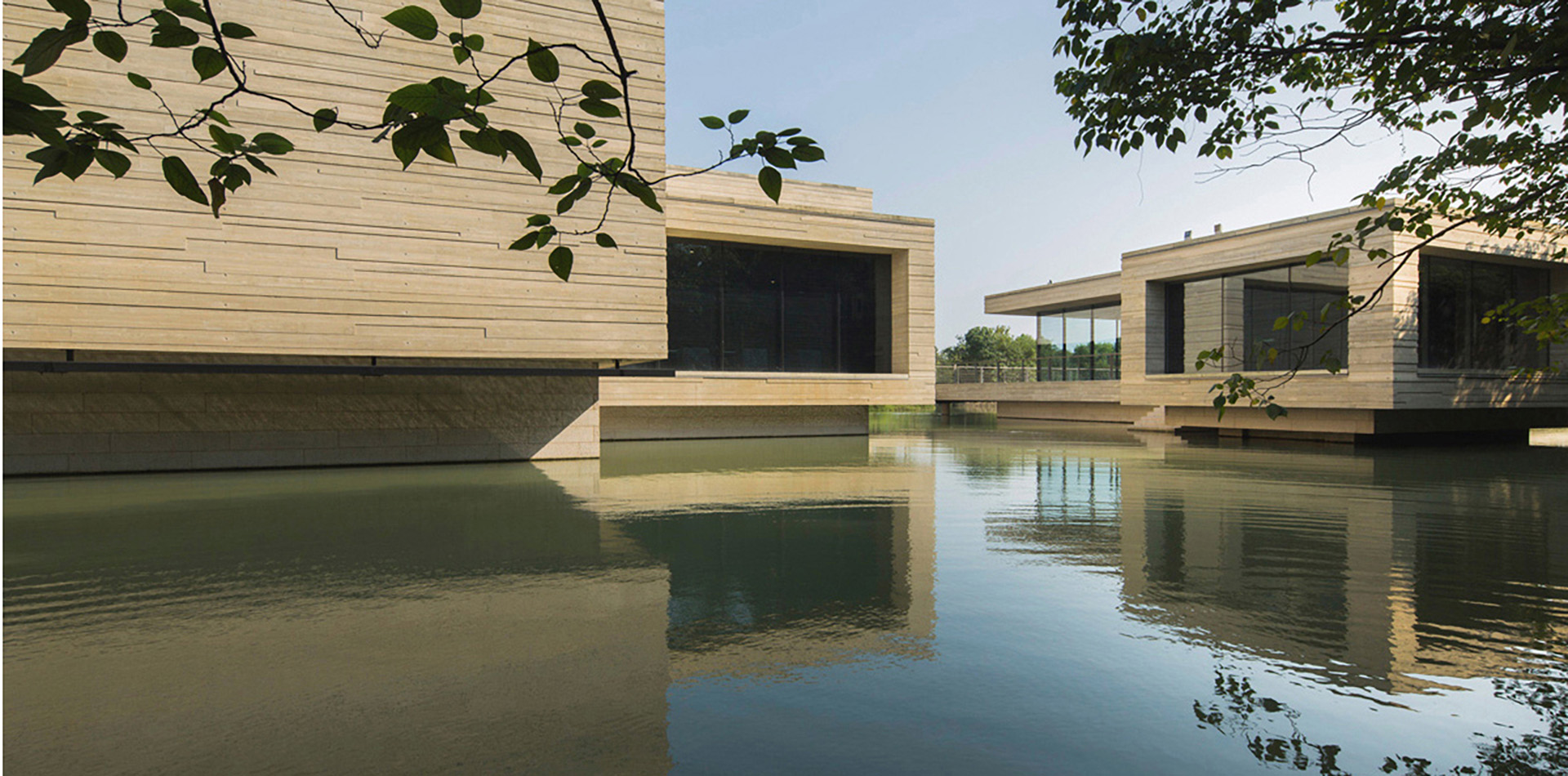
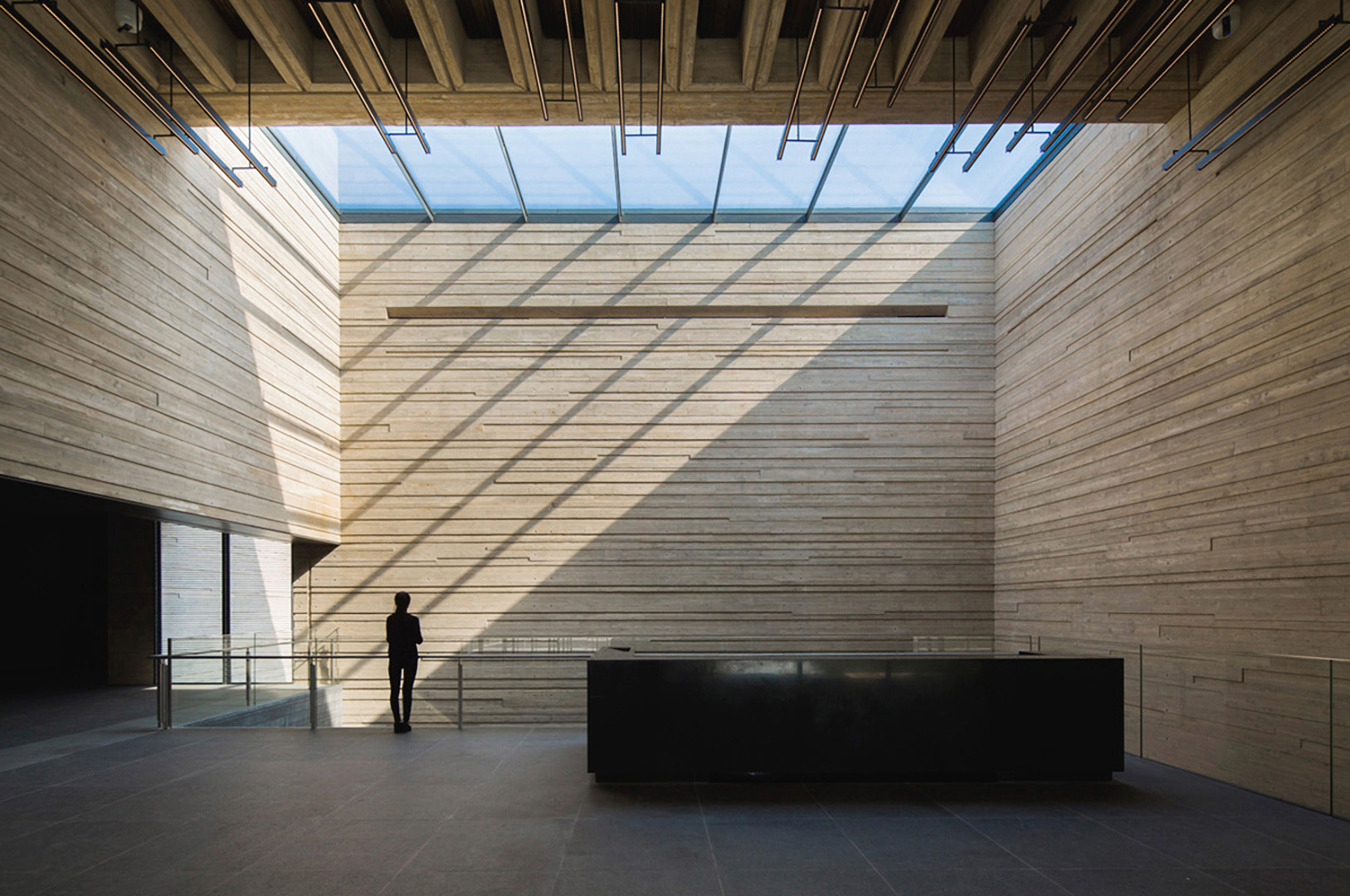
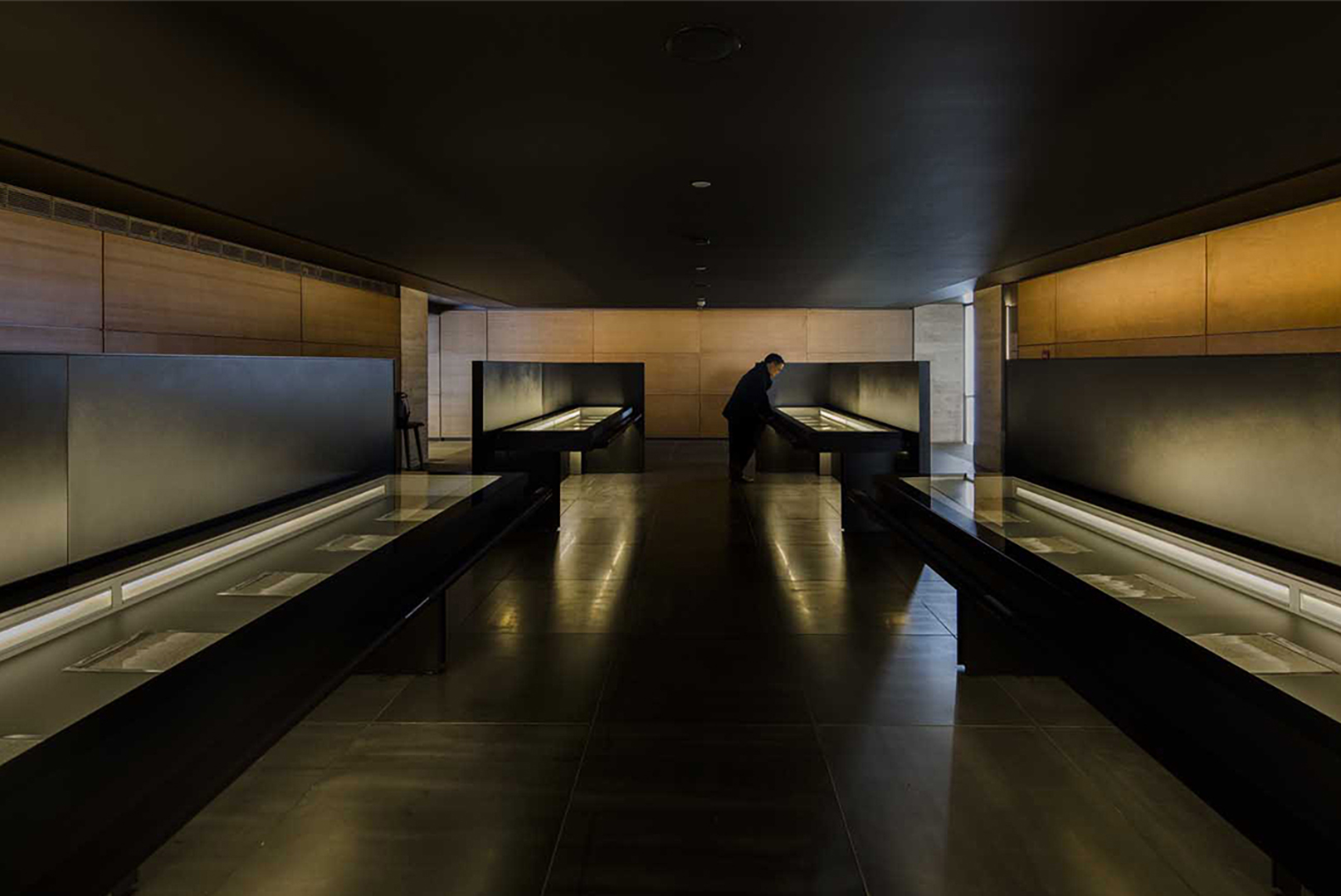
The museum is surrounded by the waters of the ancient Beijing-Hangzhou Grand Canal, a once-critical component in Wuzhen’s cultural and economic development.The design comprises a series of cubic pavilions constructed with cast-in-place concrete. The volumes are arranged in varying sectional relationships to the canal and street, referencing the dense urban fabric of the Wuzhen from Mu Xin’s childhood. Threaded by a central pathway, each volume holds galleries and other programmatic elements that, in combination with the footpath, invite visitors to experience the grounds at their own pace.

The ever-changing spatial quality created by the interplay of volumes, street boundaries, and the water’s edge facilitate a sense of expansion that unfolds not only in the physical realm but also as a bridge into Mu Xin’s complex world.

Project Gallery

Longleaf Art Park

Longleaf Art Park

Design: 2021/2024 Construction: 2024/ongoing

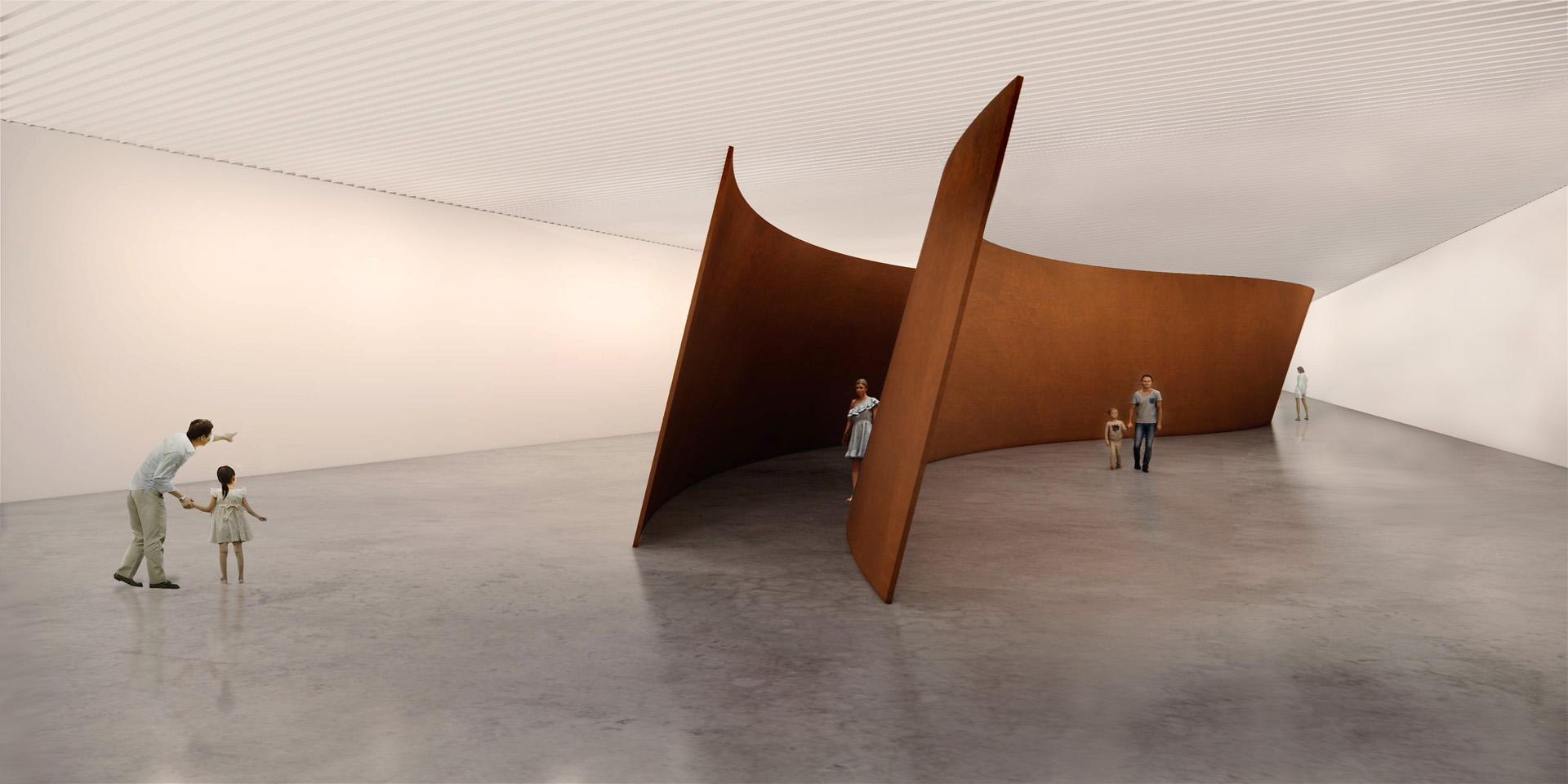
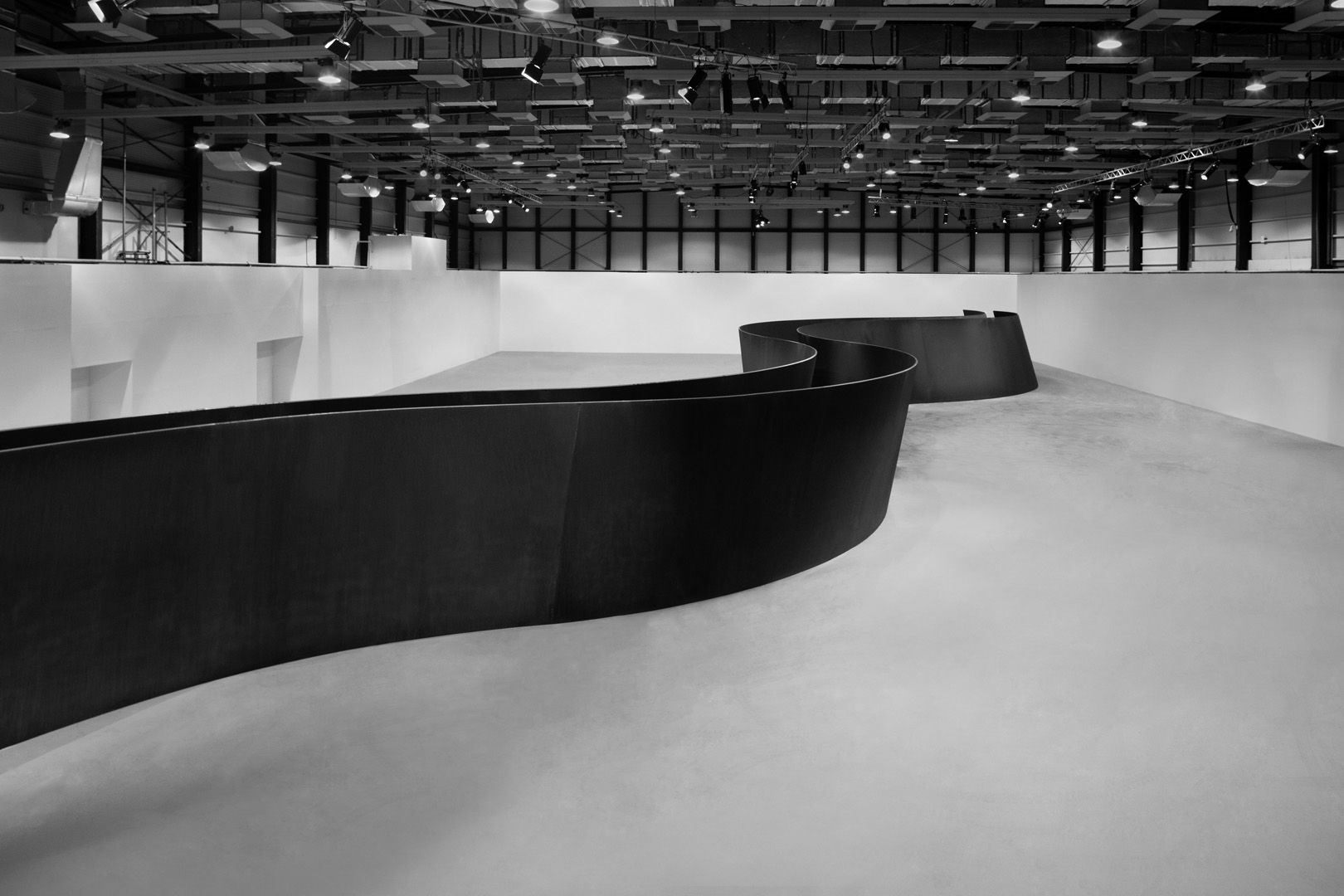
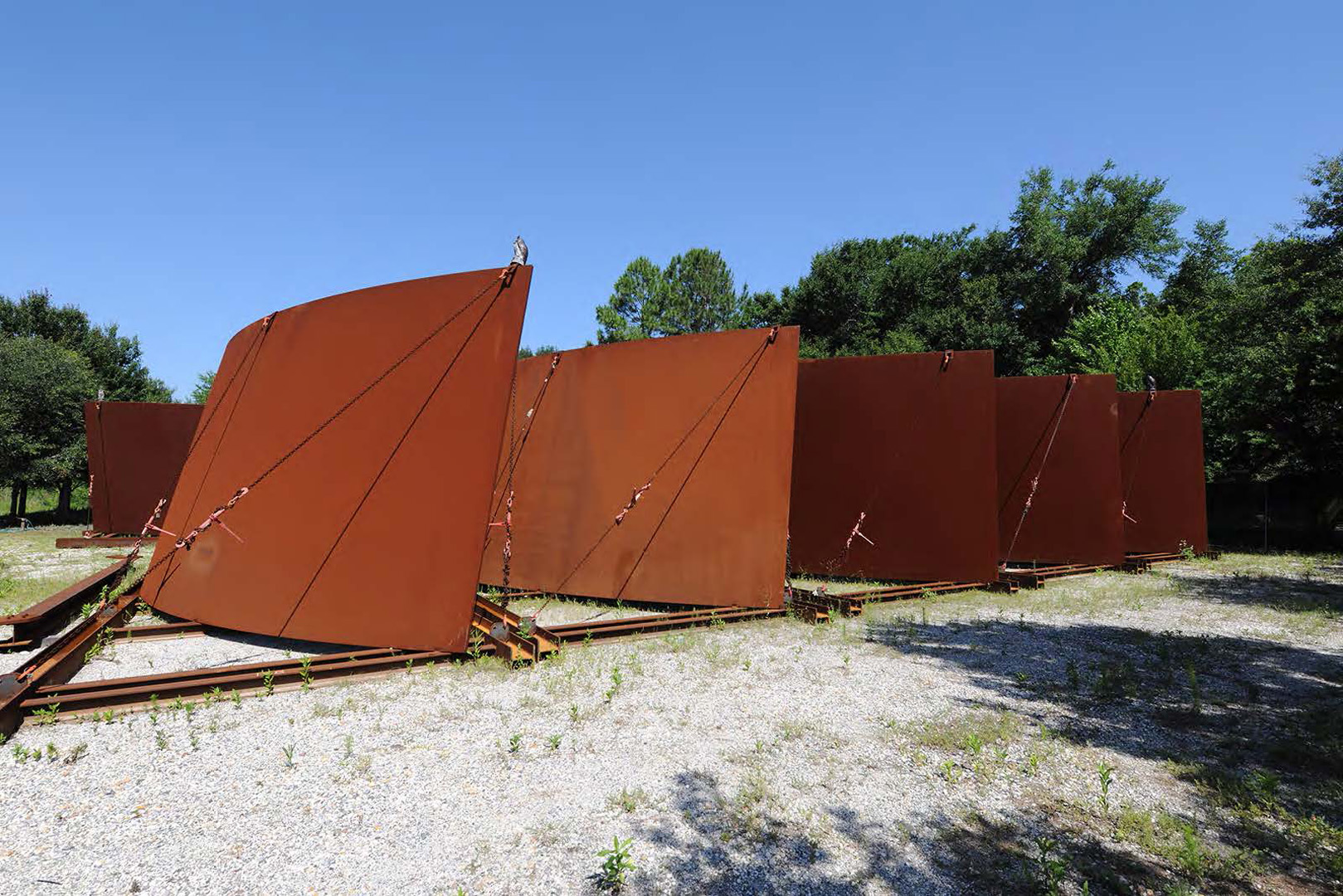
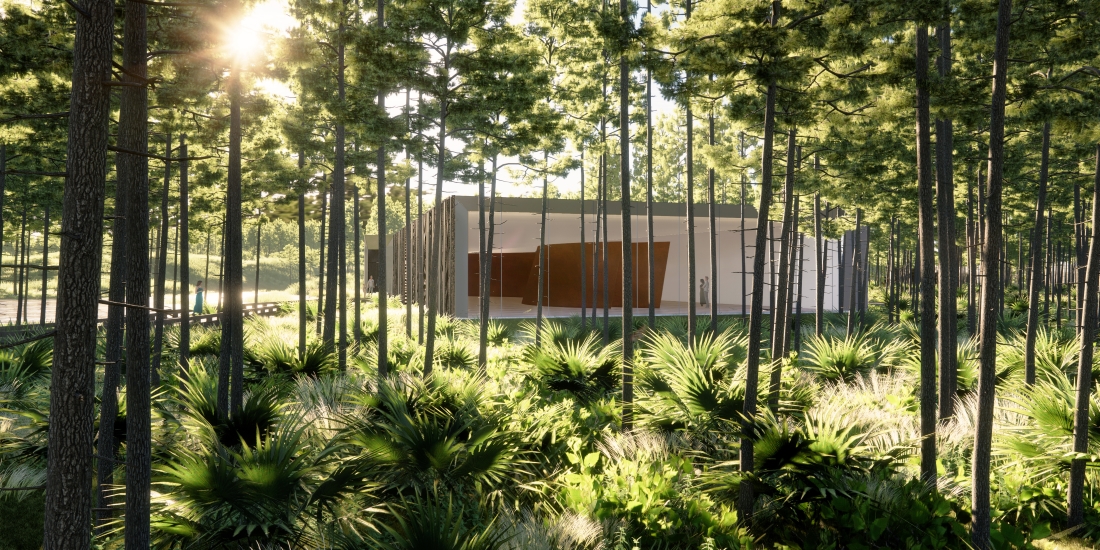
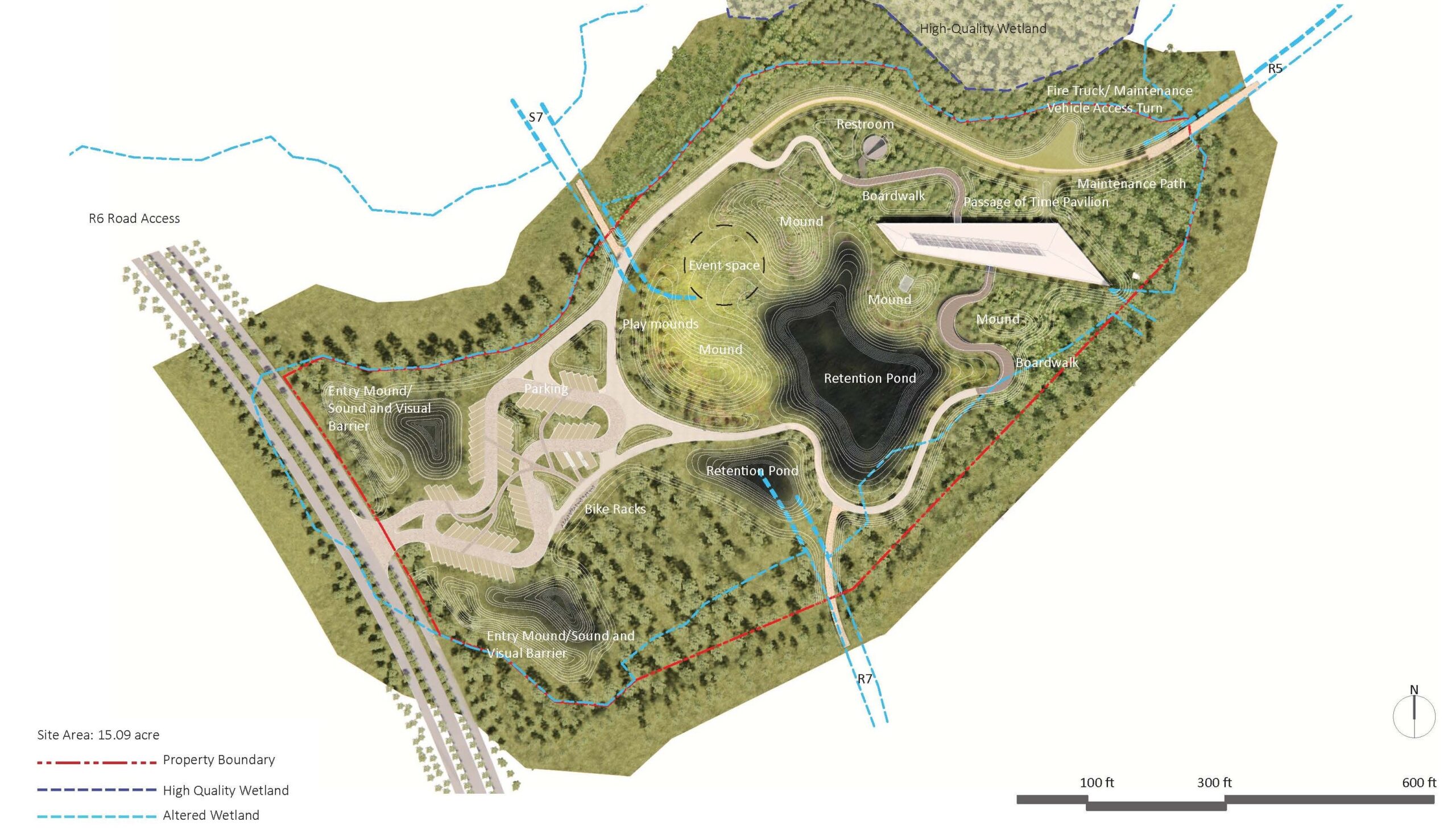
Situated in the Watersound Origins development, the 15.5-acre Longleaf Art Park will be a new cultural, educational, and recreational community hub in Walton County, Florida. It’s anchored by a purpose-built pavilion housing the 217-foot long Passage of Time sculpture, a significant masterwork from world-renowned artist Richard Serra. The 17,000-square-foot sculpture pavilion—OLI’s third collaboration with Serra—is a versatile gallery space, accommodating galas, lectures, and special events.

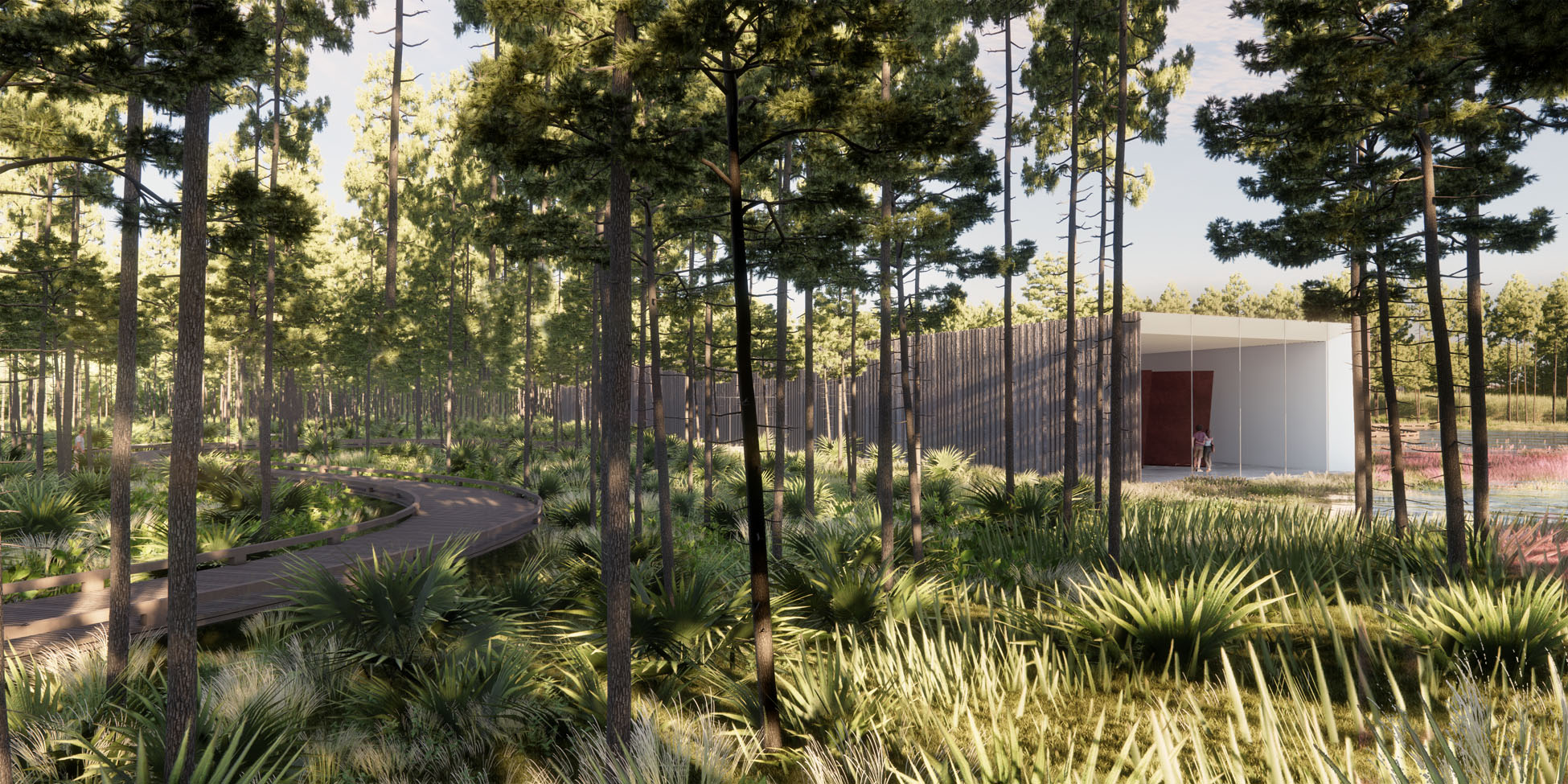
The pavilion’s design is deceptively simple yet highly engineered, carefully detailed to heighten the art experience. All amenities were placed away from the sculpture pavilion, including the reception, visitor parking, and the 20,000-square-foot event space. Strategically contoured berms, formed using fill excavated from the retention pond that protects the surrounding wetlands, visually shield the pavilion, guiding visitors on a journey of discovery.

The pavilion exposes the art piece to the tree canopy, placing it in dialogue with the landscape, and celebrates the site’s history: the native wetland and the subsequent paper-making tradition it cultivated. As with all of Serra’s site-specific works, this relationship to place is central to the experience.

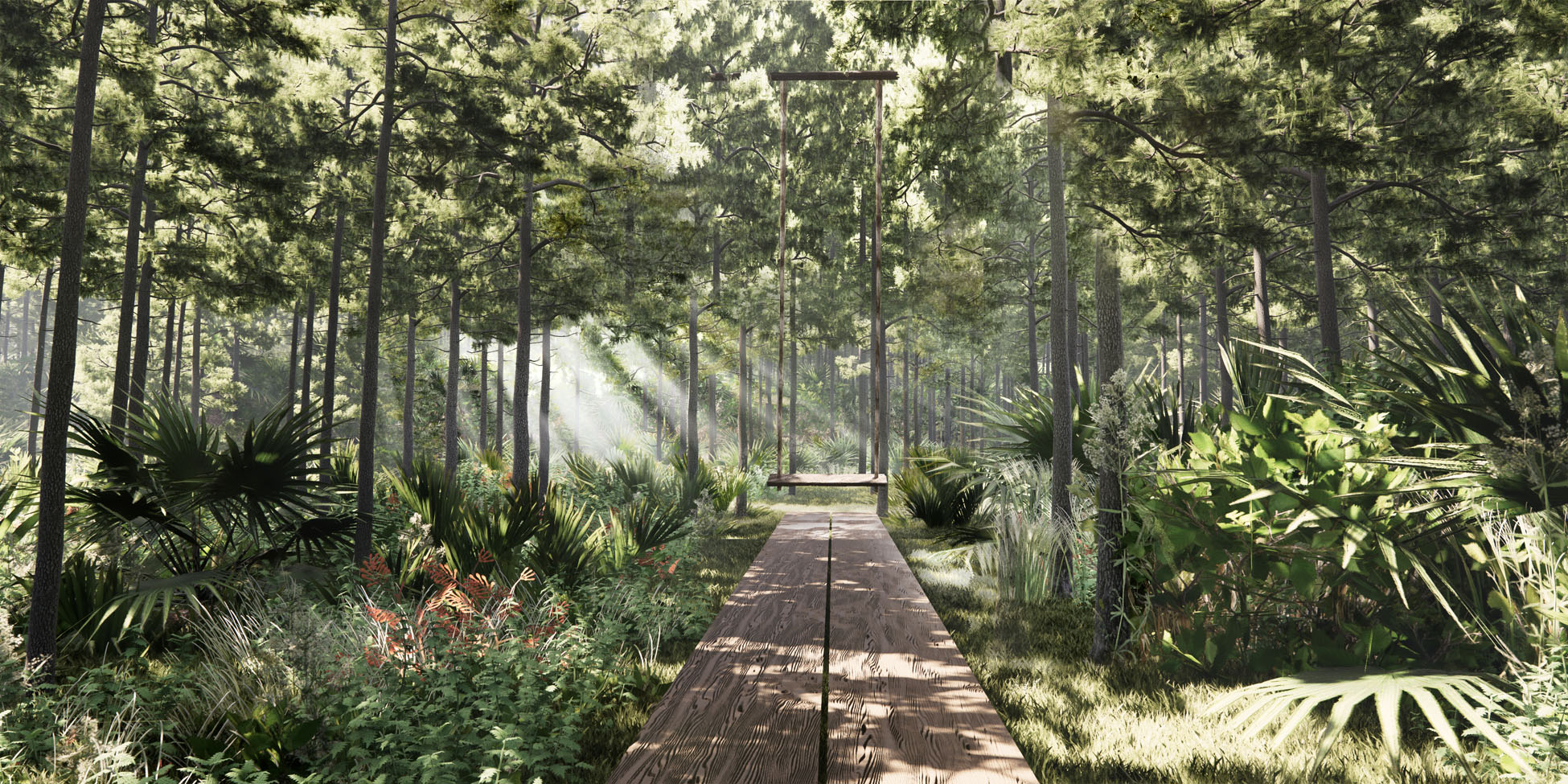
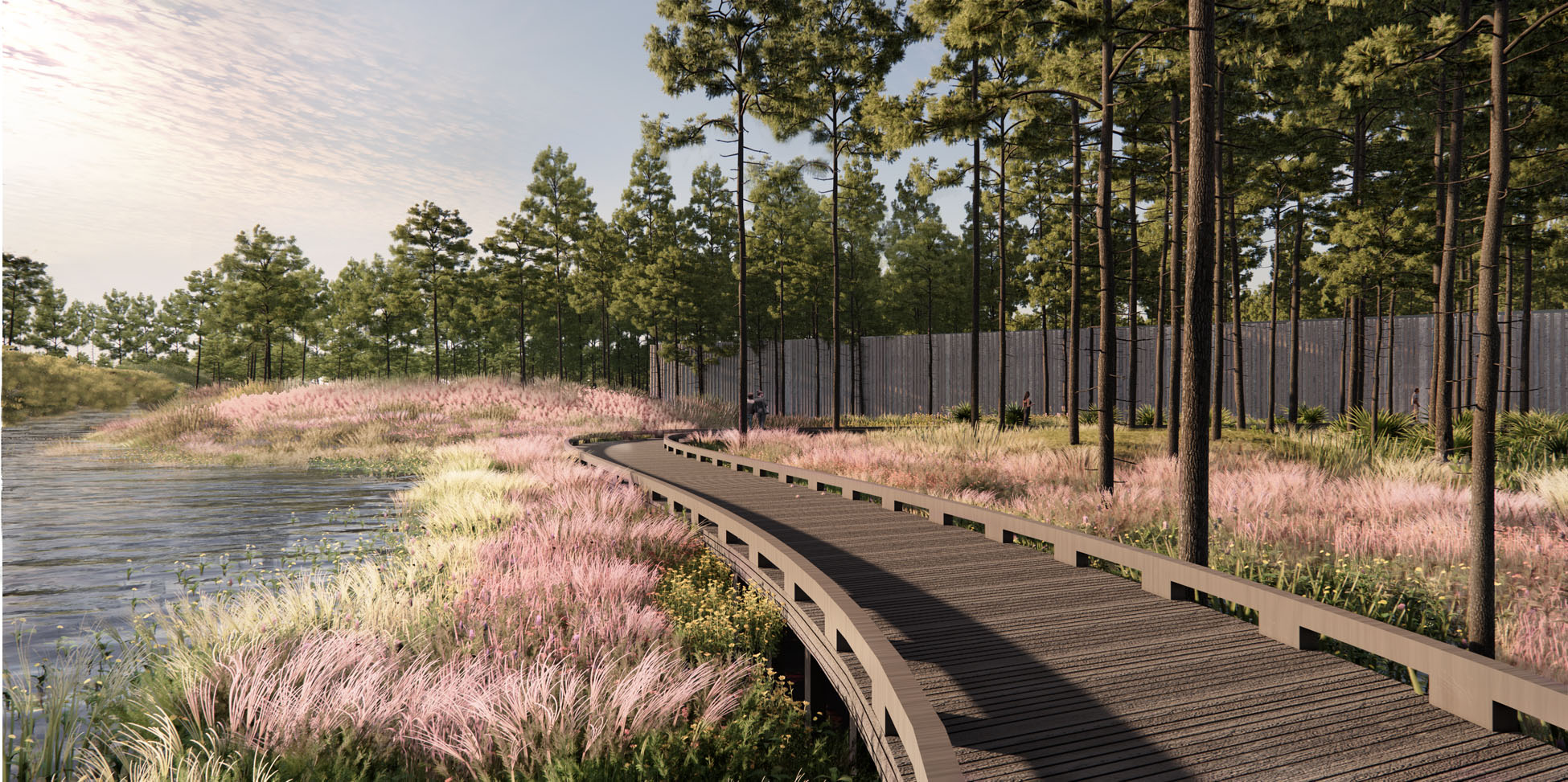
Like the streams and decks that traverse the nearby wetlands, the pavilion is approached from a winding wooden deck that hovers off the ground, echoing the sculpture’s rhythmic form. The turns become more frequent approaching the pavilion, affording the viewer varying glimpses through the columns of the pine forest trunks and the pavilion façade.

The trapezoidal pavilion is entered from glass vestibules located at the concave pockets of the sculpture. The two entrances guide visitors through the pavilion, encouraging an intimate dialogue with the sculpture. From the building’s orientation to the large asymmetric pitched roof, traditional passive strategies rooted in Florida’s vernacular architecture allow for generous expanses of high-performance glazing that further deepen the connection between built form and landscape.

Miho Institute of Aesthetics Chapel

Miho Institute of Aesthetics Chapel

Design: 2008-2010
Construction: 2010-2012
Architect: I. M. Pei
Project Architect: Hiroshi Okamoto
Associate Architects: I. O. Architects
Local Executing Architects: Masatoyo Ogasawara Architects

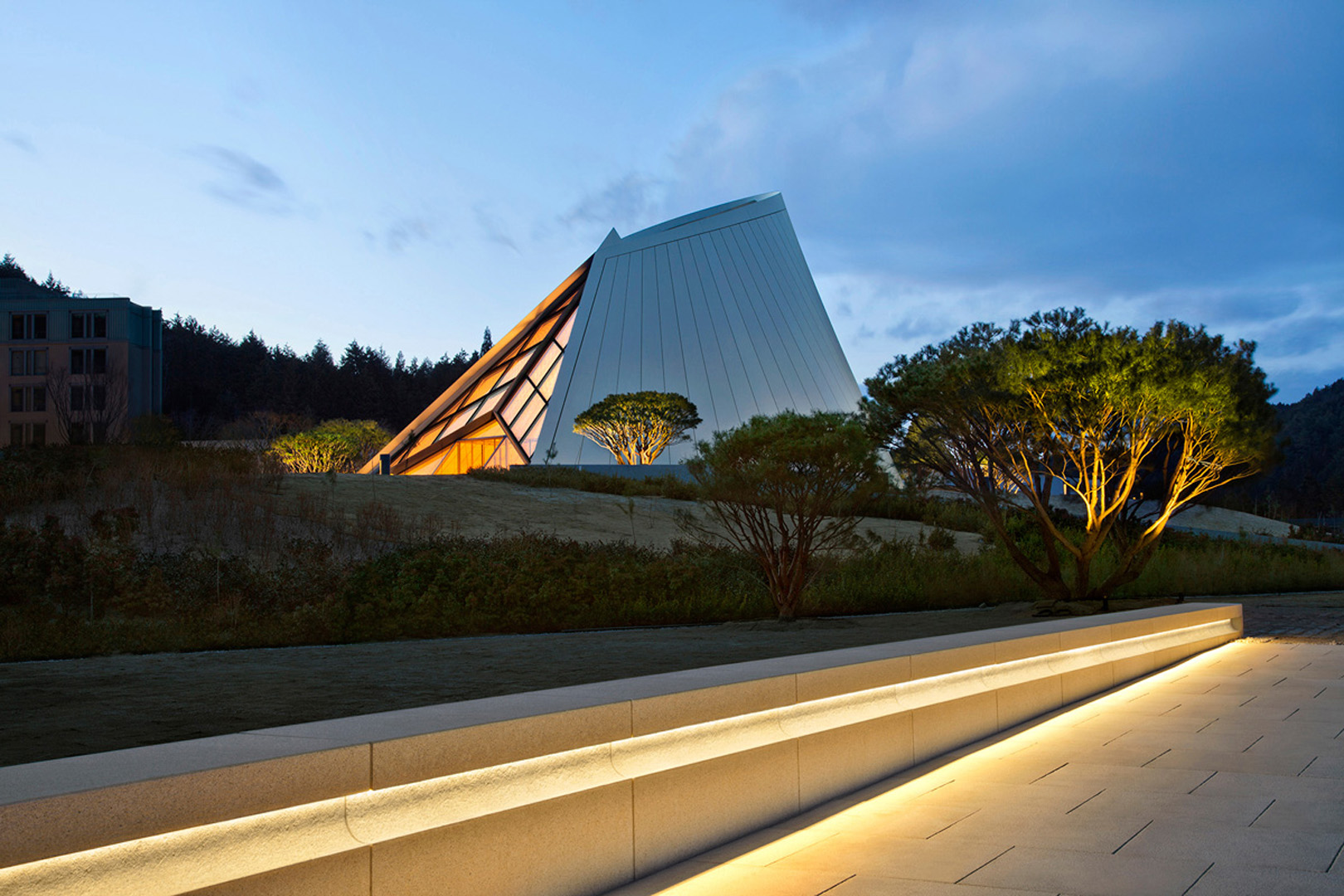
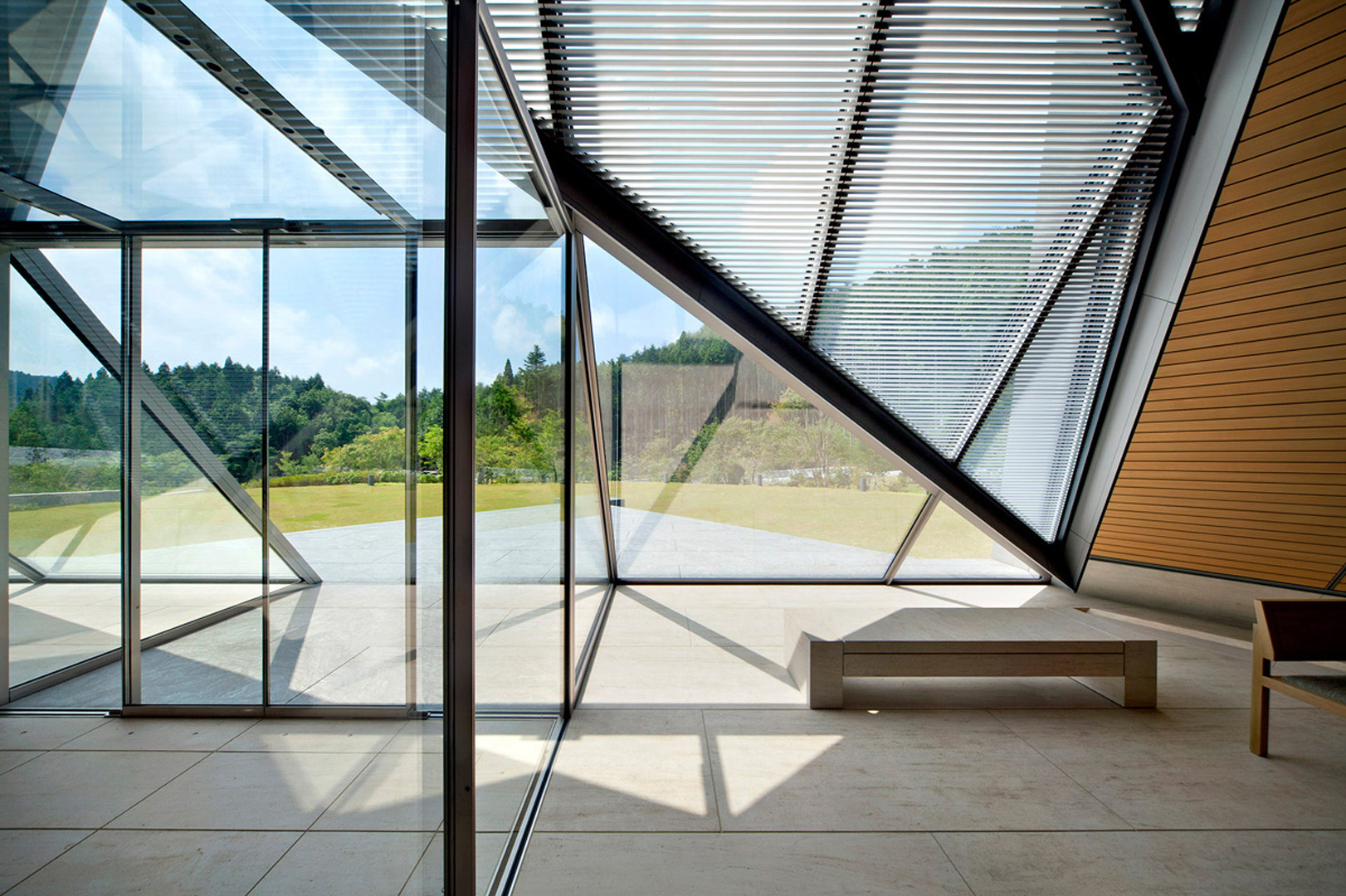
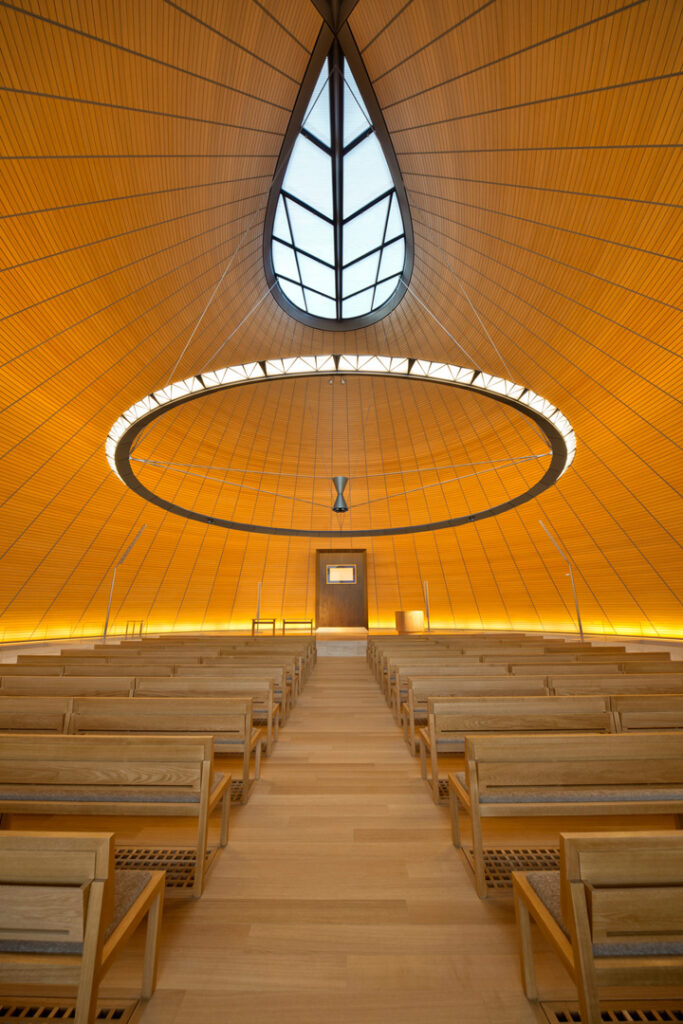
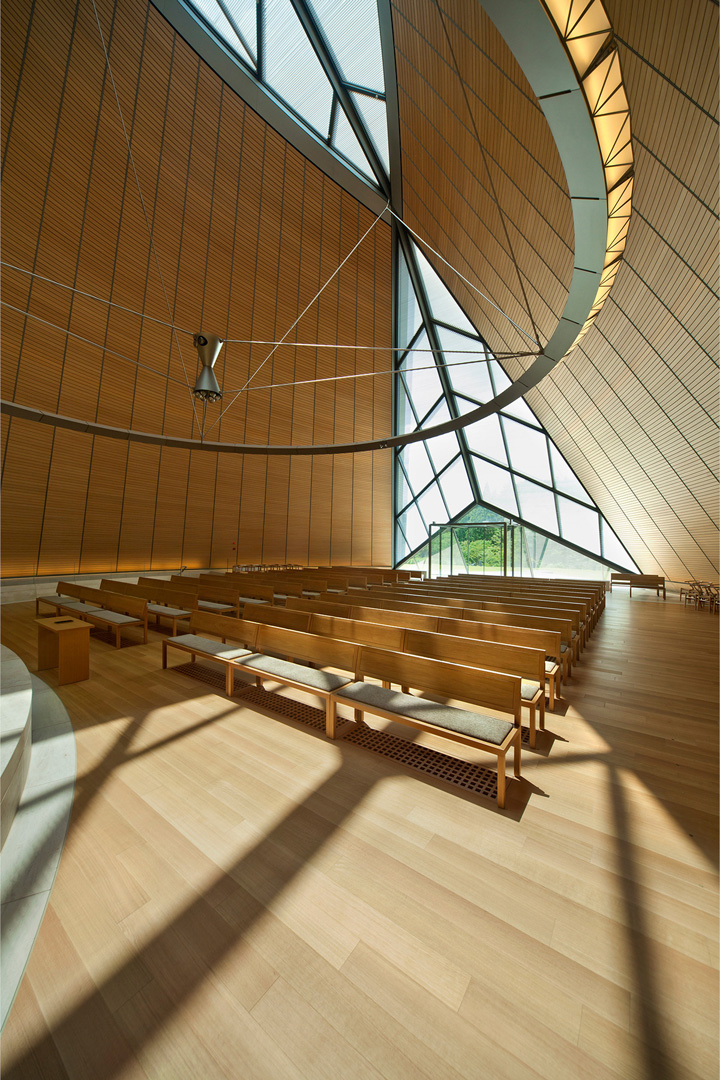
The Chapel of the Miho Institute of Aesthetics is architect I.M. Pei’s last significant built work. Set in the mountains of Shigaraki, Japan, it serves as the spiritual and programmatic heart of a private school.

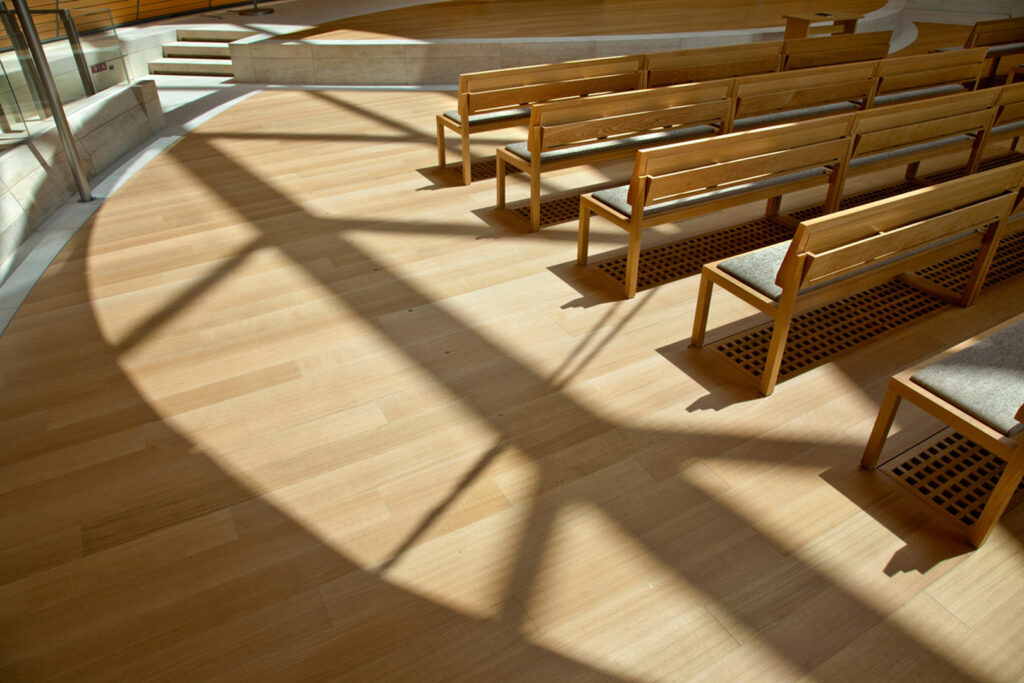
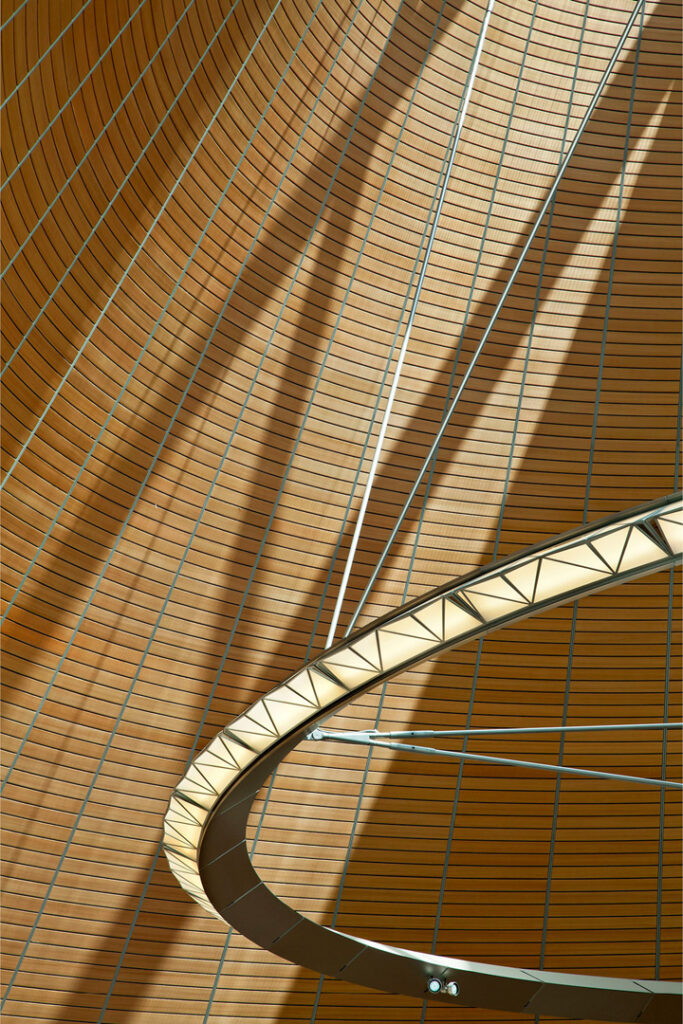
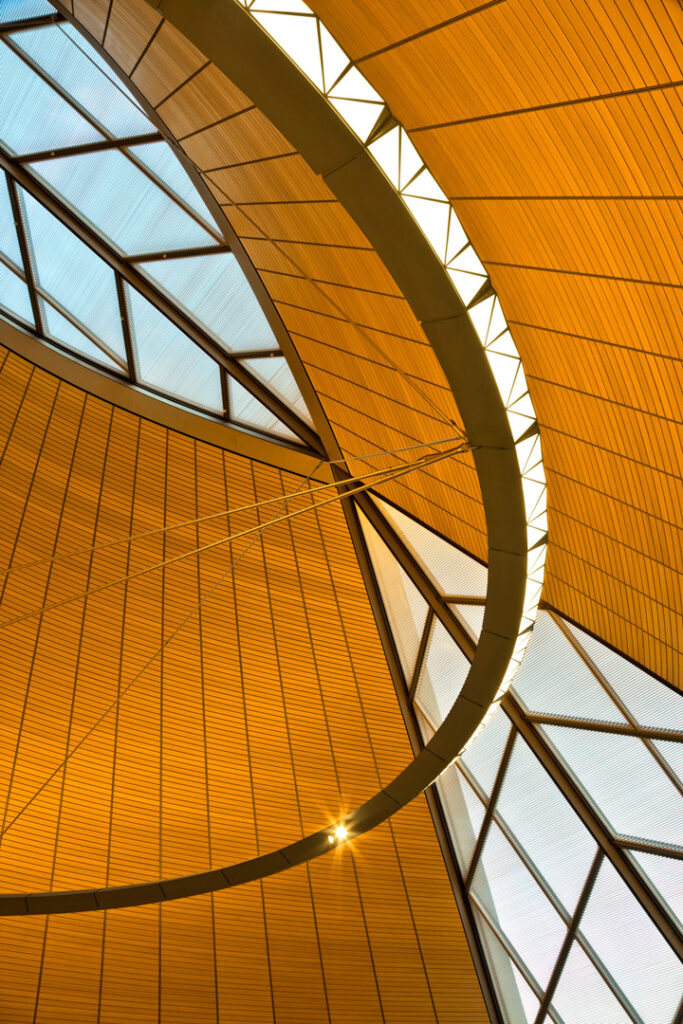
The 240-seat chapel’s striking sculptural form emerges from folding a two-dimensional fan-shaped surface into a conical volume. The lofted surface between the top and bottom curves is clad in 51 custom-warped stainless steel panels on the exterior and over 8,454 individually curved Japanese red cedar wood planks on the interior, lining a structural concrete shell. A crowning skylight and dramatic glazed facade flood the space with light, warmly illuminating the articulated wood panels.

Project Gallery

Palace Museum Exhibition

Palace Museum Exhibition

Design: 2022
Construction: 2022

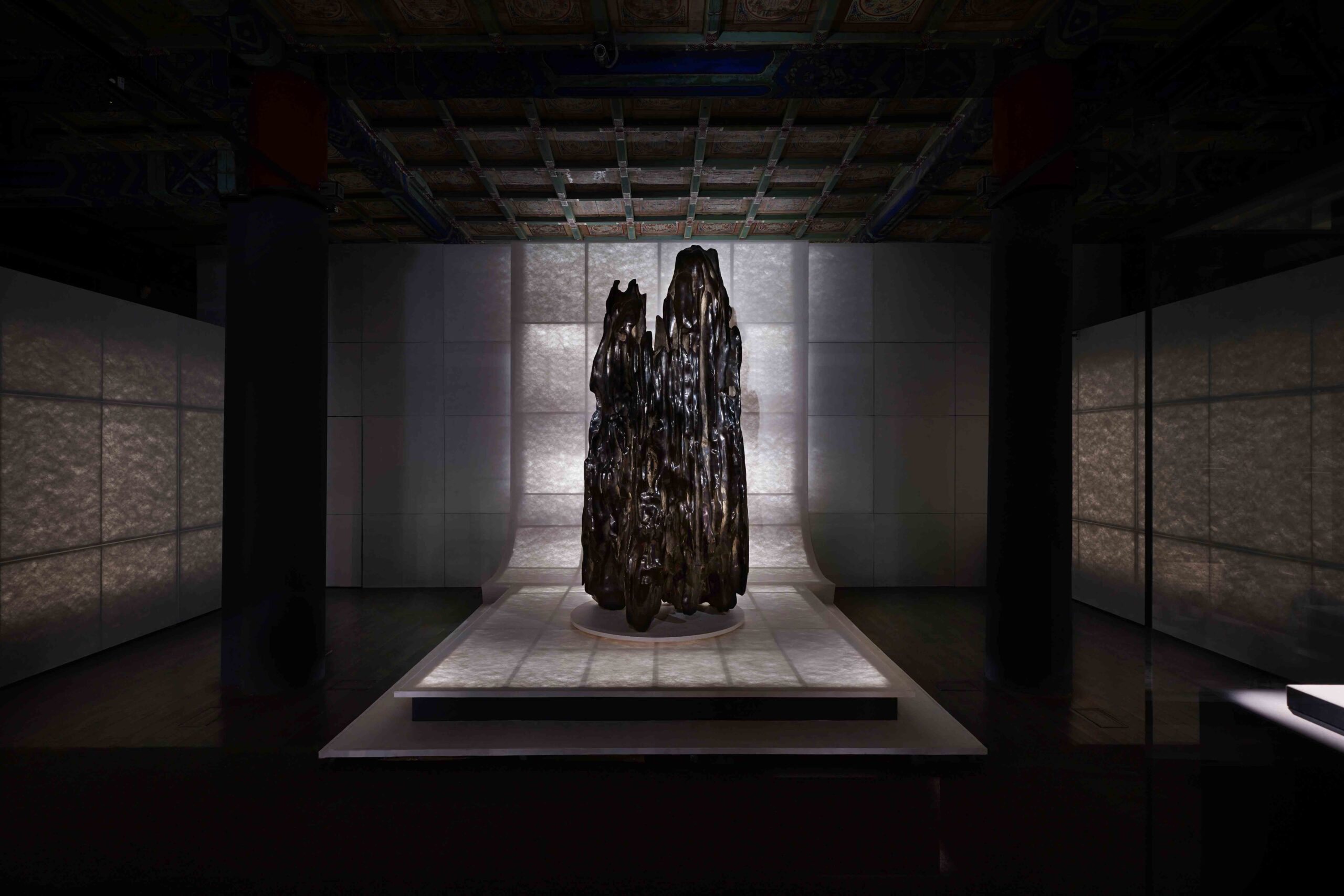
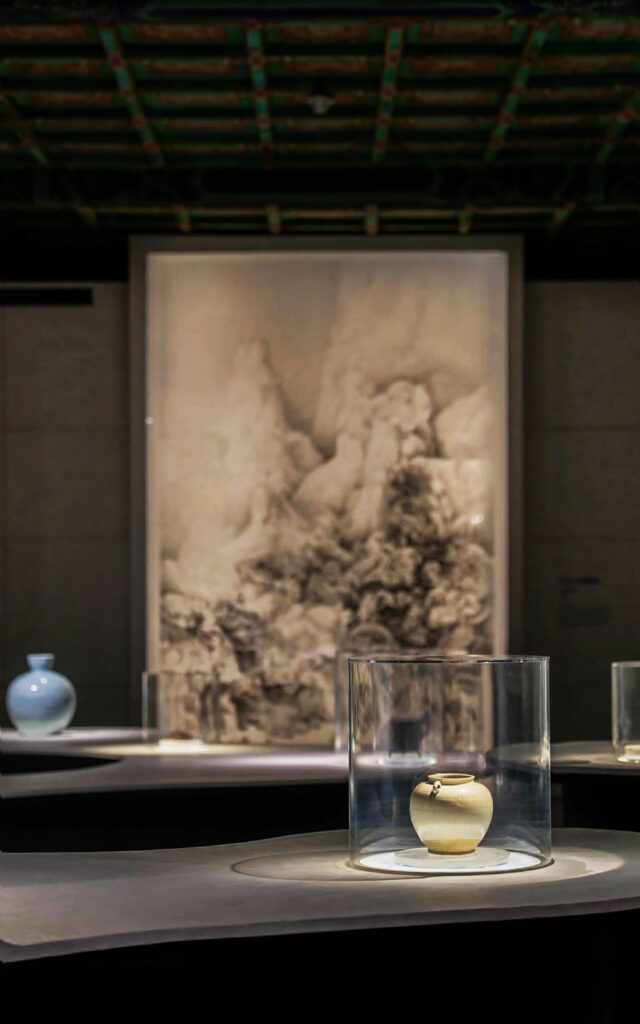
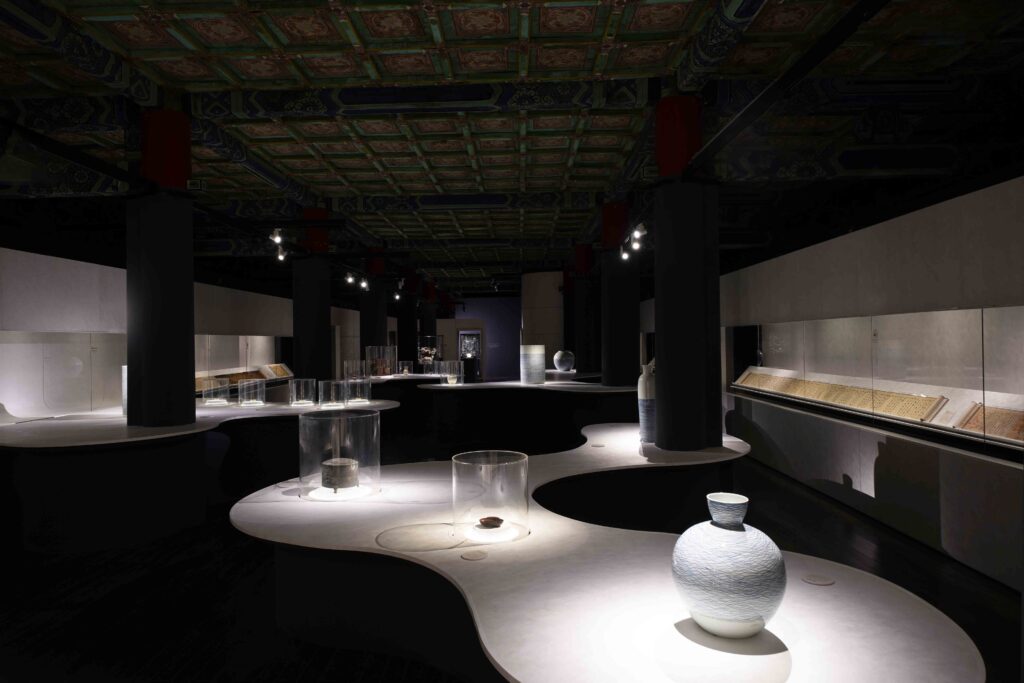
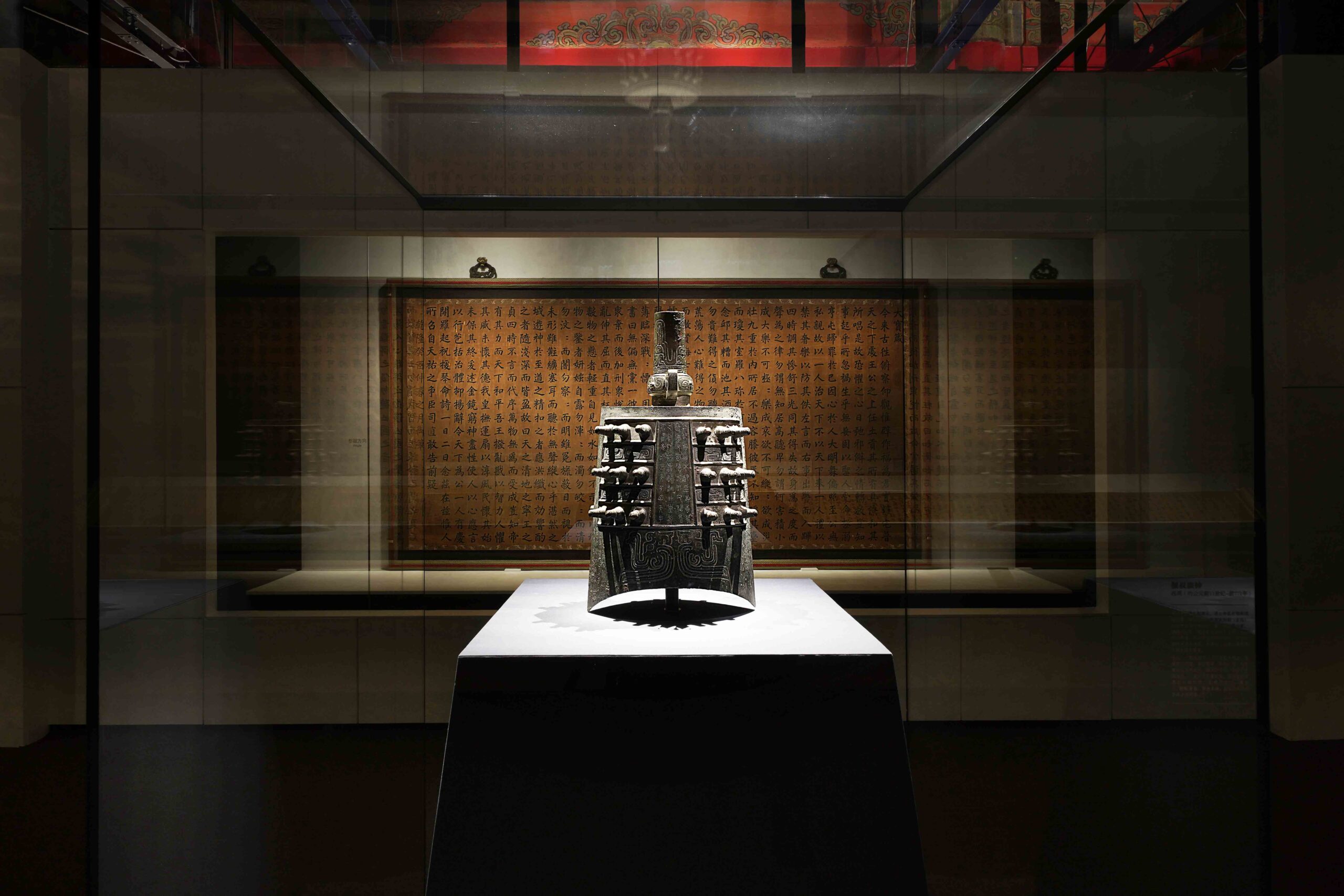
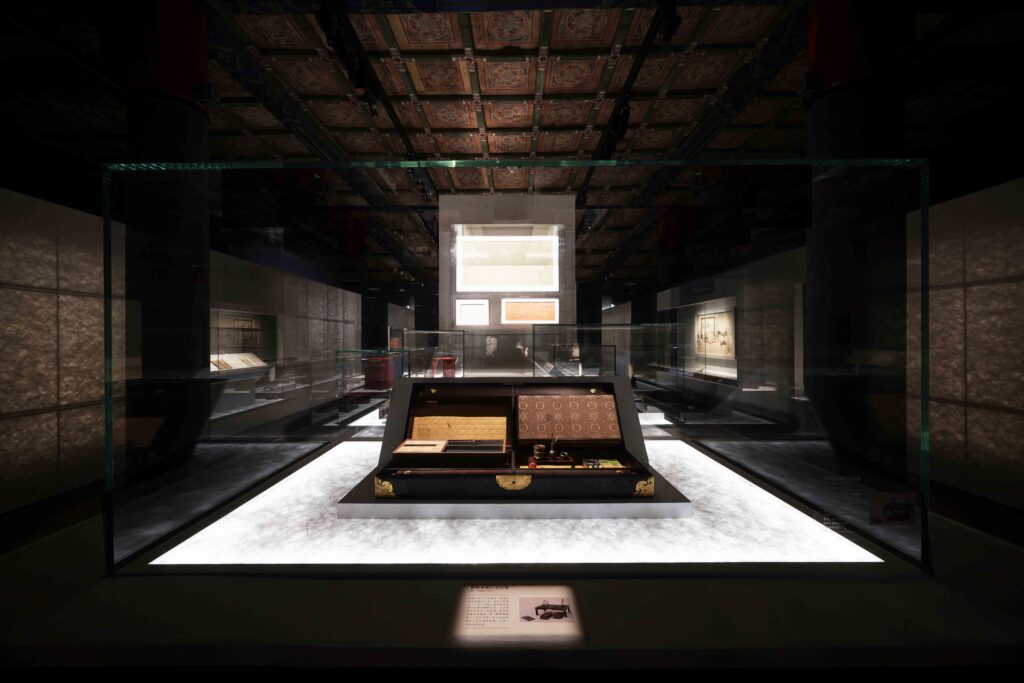
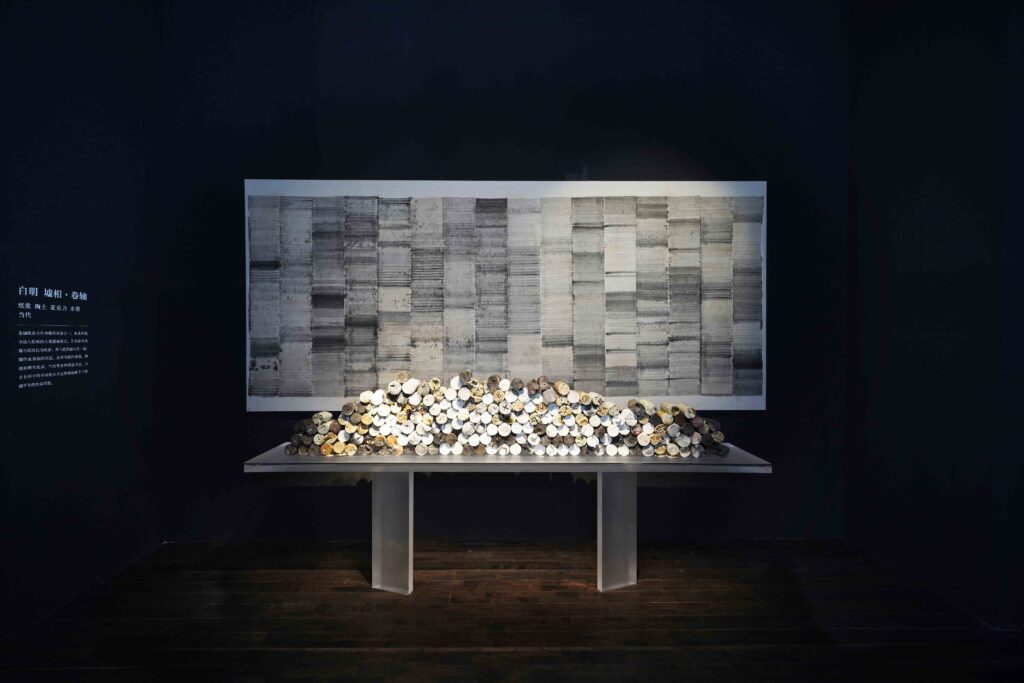
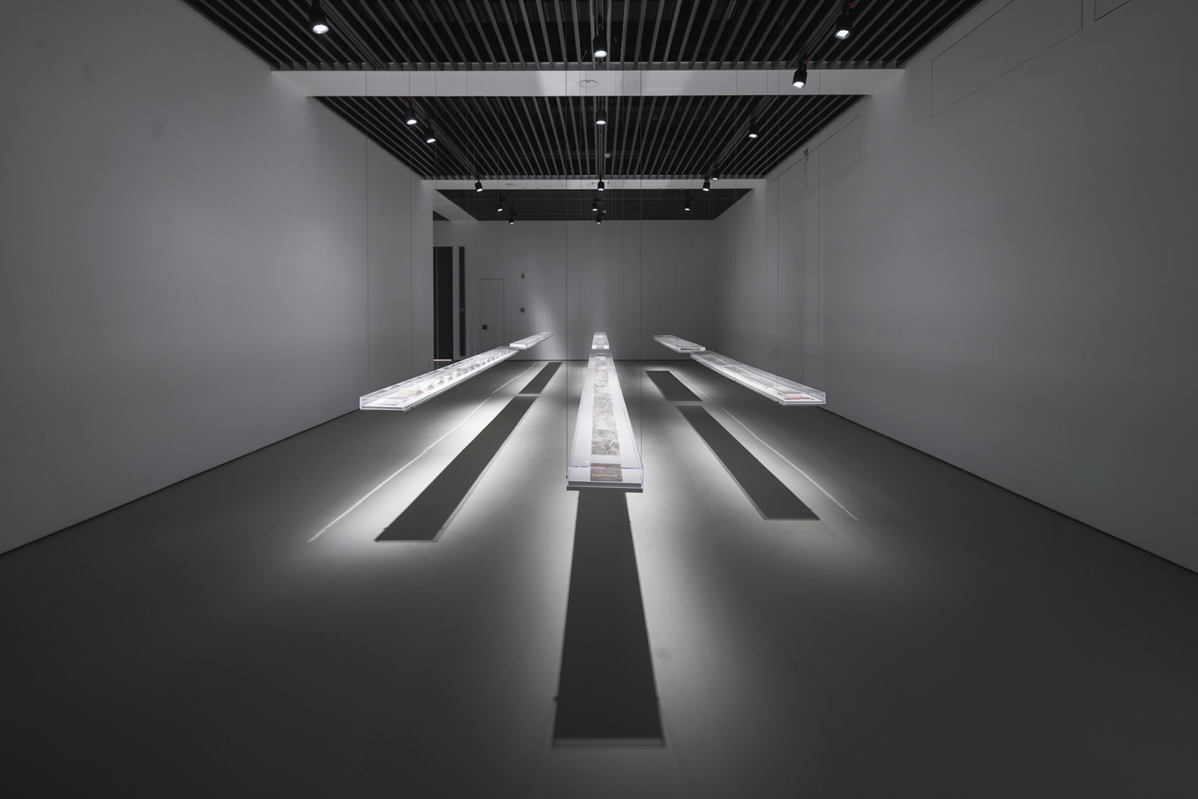
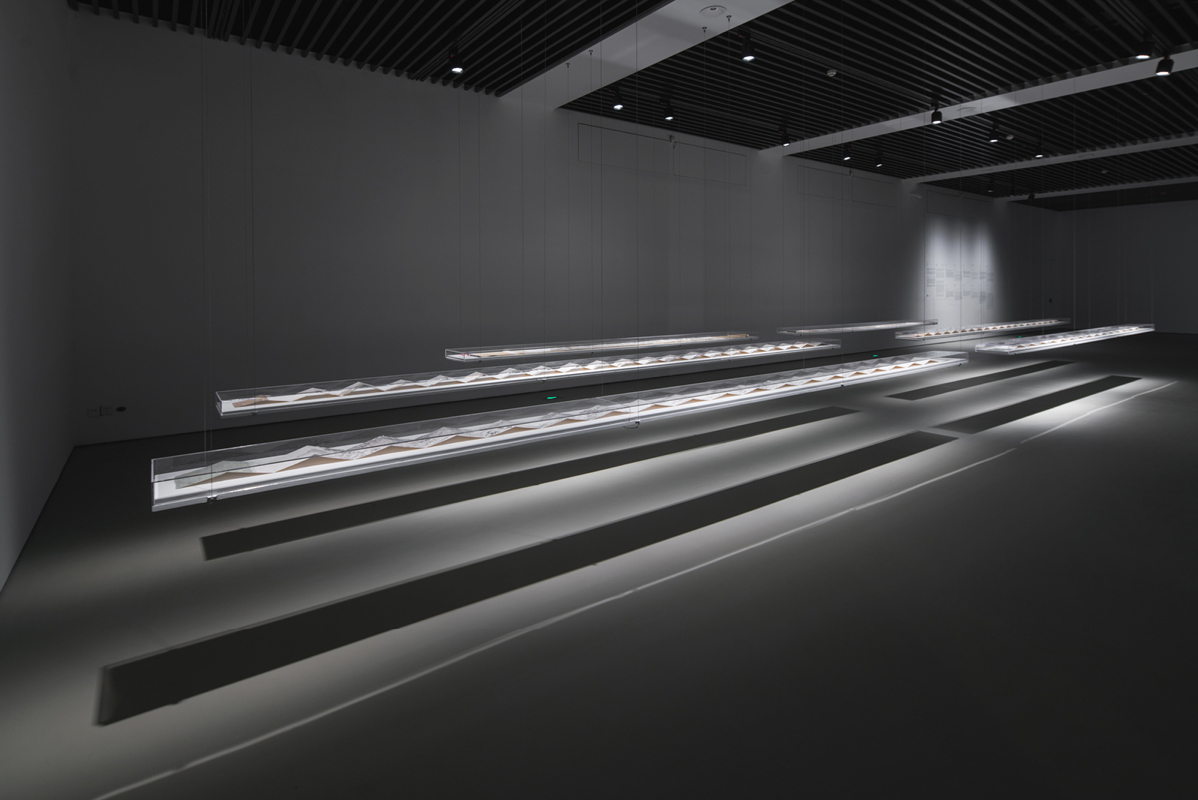
Located in the center of the 72-hectare complex in the Forbidden City, which dates back to the fifteenth century, the Palace Museum houses one of the world’s largest collections of ancient Chinese artifacts, calligraphy, paintings, and porcelain. Working closely with the museum’s curators, we designed an exhibition that builds on our experience designing for contemporary art and artists, bringing together artworks spanning from antiquity to contemporary art within the historic structure. Titled “Mirroring the Heart of Heaven and Earth: Ideals and Images in the Chinese Study,” the exhibition showcased work from prominent contemporary artists including Liu Dan, Xu Bing, Xu Lei, Bai Ming, and Young Ho Chang.

Housed in the Meridian Gate Galleries, the exhibition explores the evolving role of the scholar throughout Chinese history, examining their relationship to the imperial court, to fellow scholars, to the natural world, and to the universe.

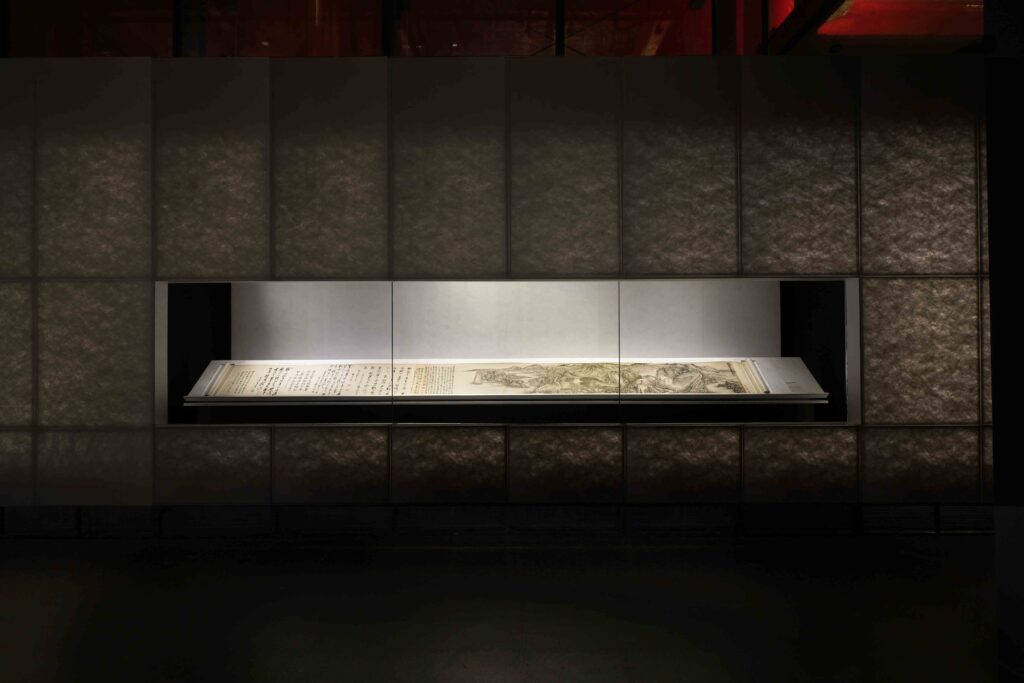
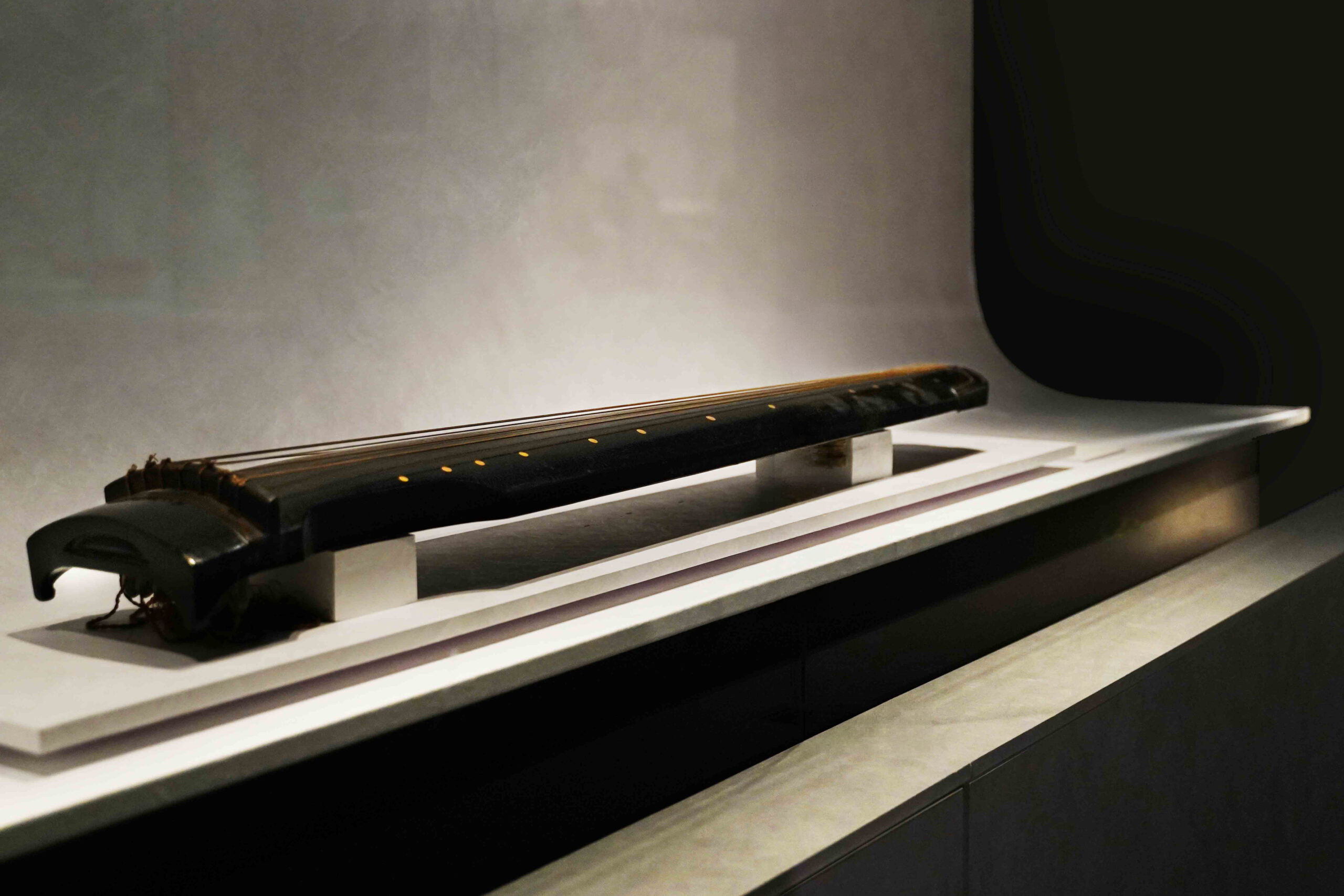
It brings together 106 works spanning from antiquities to contemporary art, including books, scrolls, vases, sculptures, paintings, screens, cups, and seals. Complementing the artworks are production materials such as brushes, ink, and paper with pieces dating from the 6th to the 21st century.

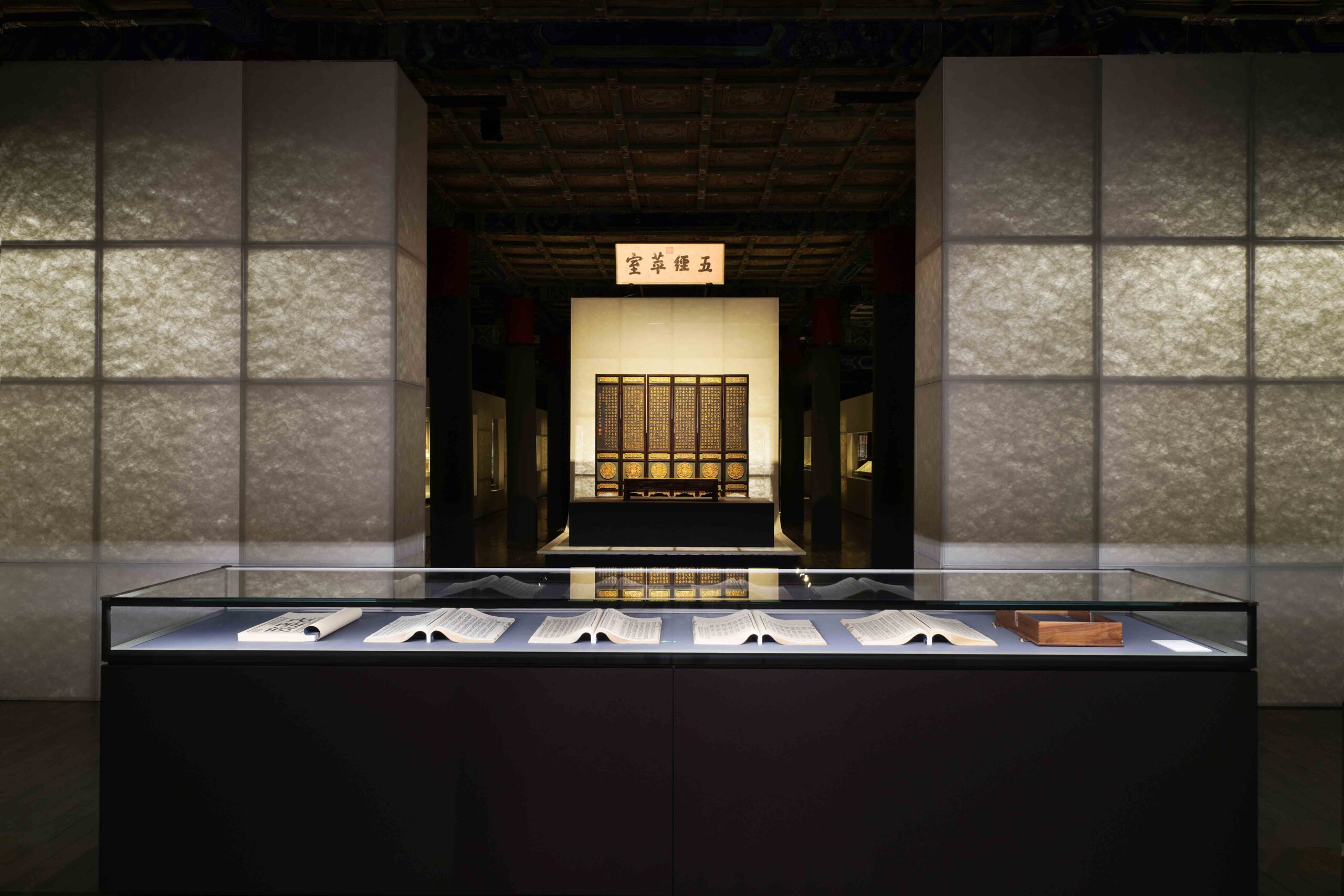
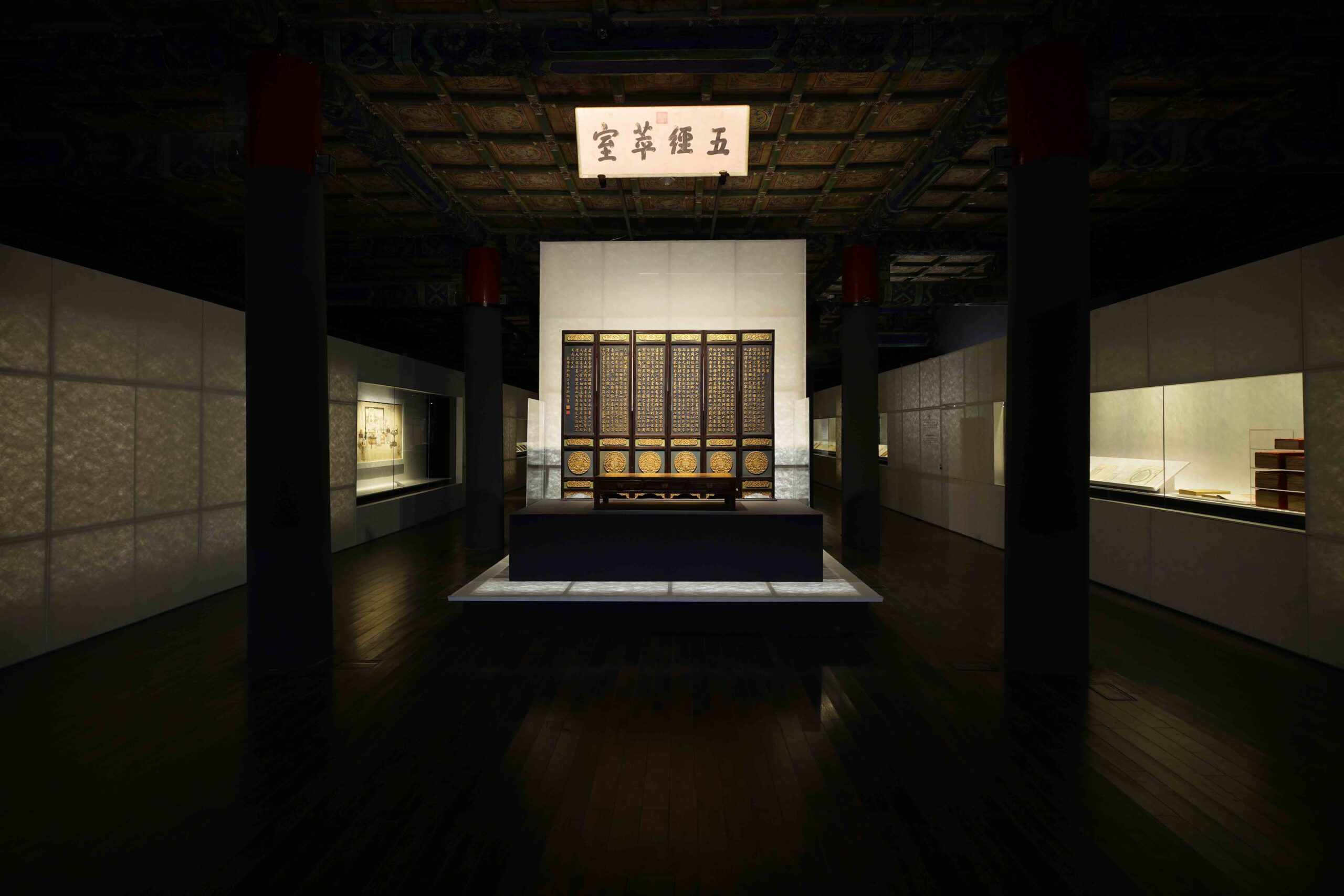
The exhibition encourages a dialogue between historical artifacts objects and contemporary artworks. One example is a plaque inscribed with the words “Chamber of the Five Classics,” written by the Qianlong Emperor. Normally displayed in the eastern annex of the Palace of Heavenly Purity, once the imperial study, it is now prominently displayed at the exhibition’s entrance. The inscription references the Five Classics, some of the oldest surviving Chinese texts that form the foundational works of Confucianism.

Project Gallery

North Zone Silk Factory

Design: 2016
Construction: 2016

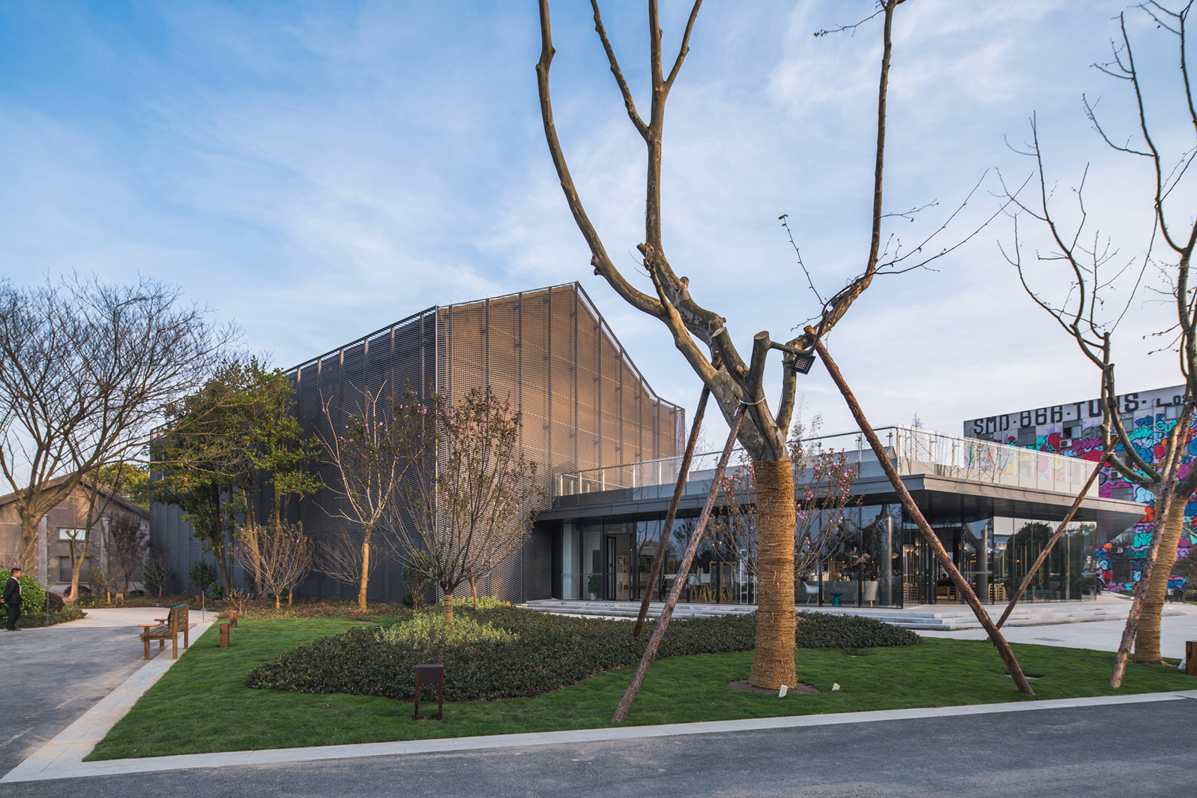
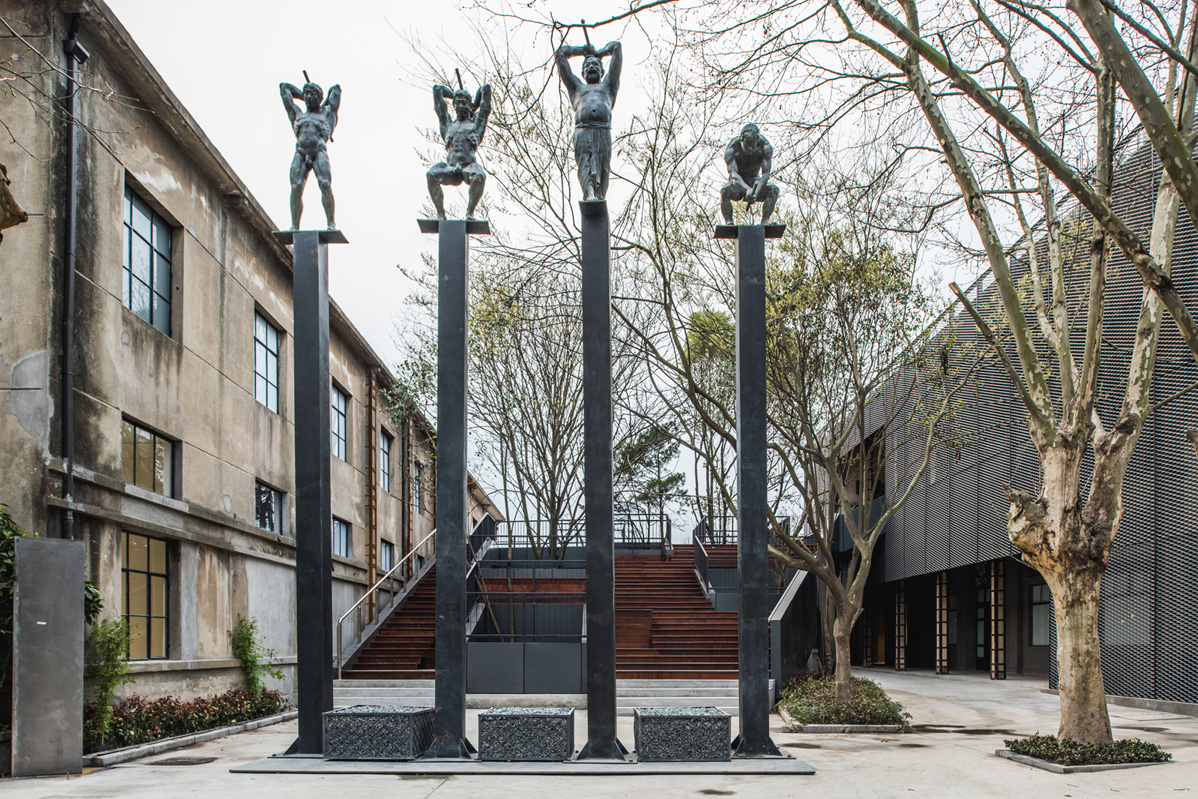
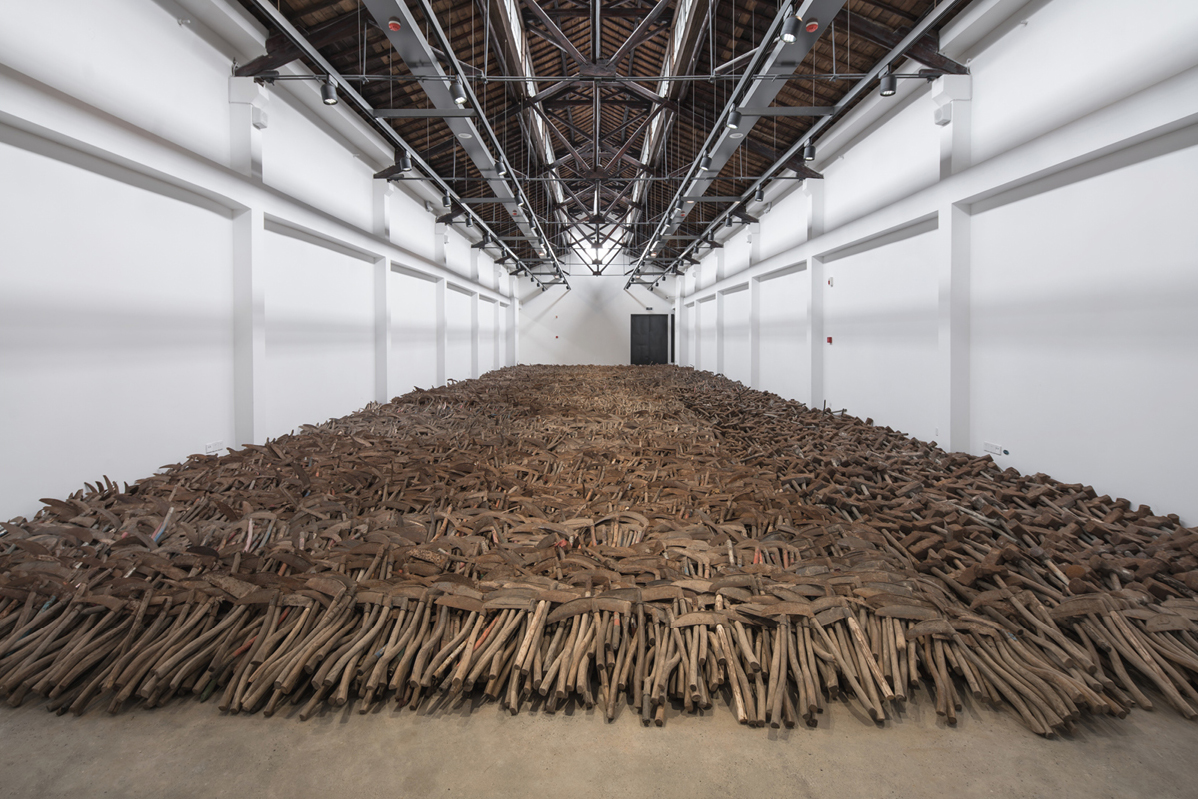
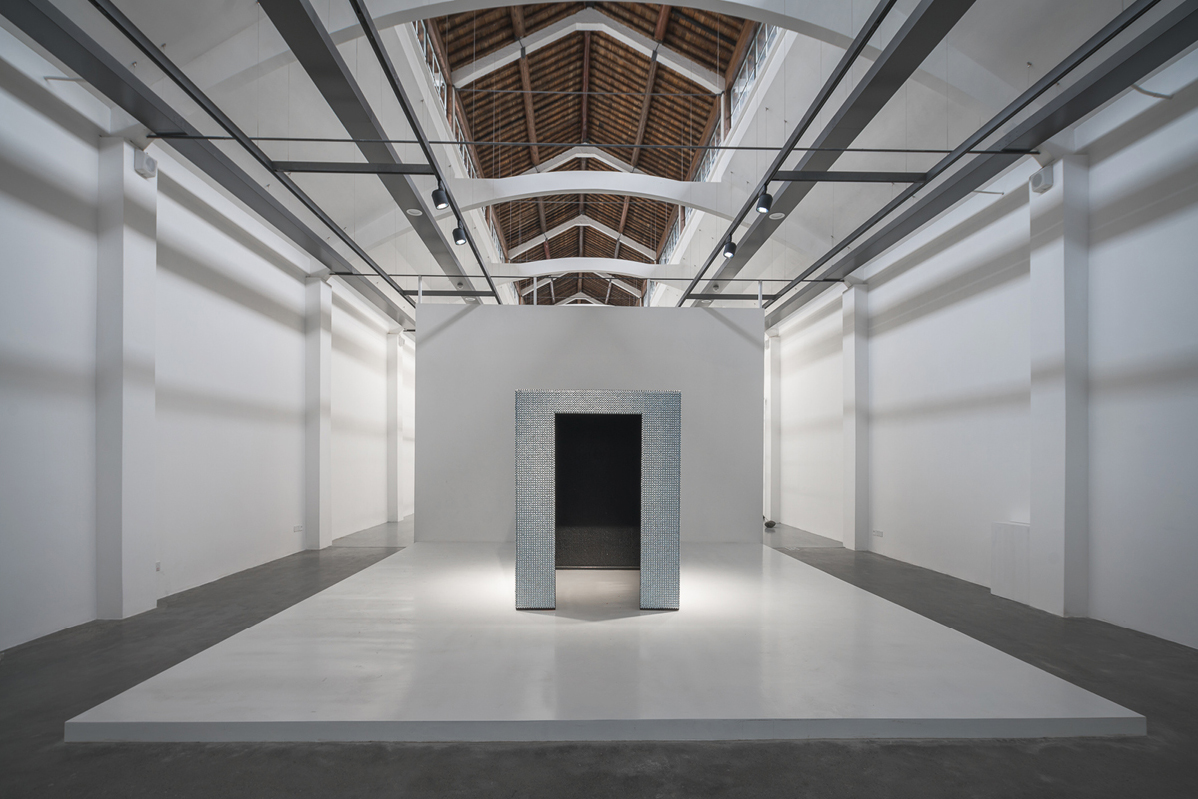
Before tourism transformed Wuzhen, China, into a destination known for its traditional architecture, it was a rural town centered around a prominent silk factory along the canal. In recent years, Chen Xianghong, the developer behind Wuzhen’s growth, set out to preserve the factory both as a physical structure and as a lesser-known piece of the town’s cultural heritage—and as the new home for the biennial Wuzhen Art Festival.

Built before the modernization of China, the factory used construction techniques that saved on materials, like notably elaborate concrete trusses carrying a traditional wooden roof frame.

Each hall was built successively with its own structural system and natural lighting.

Adapted from those existing structures, the gallery spaces were stripped of all prior additions and preserved in their original, unadulterated state. This decision recovers and preserves the factory’s original human qualities as it transforms into an exhibition space for contemporary art. Original doors, windows, and skylights create cross views to the interior street and bring in a distinctive quality of light.

The spatial character of each hall emerges both from this relationship with the outside and from the craftsmanship of its construction and, in contrast to a white-box gallery, give way to a series of distinct potential art installation strategies.

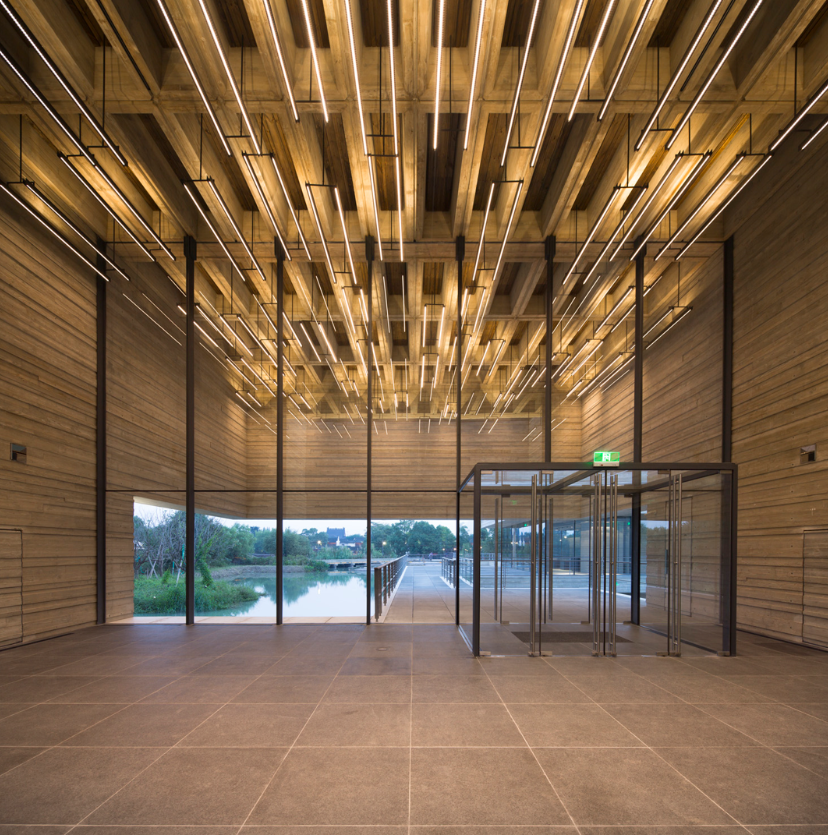
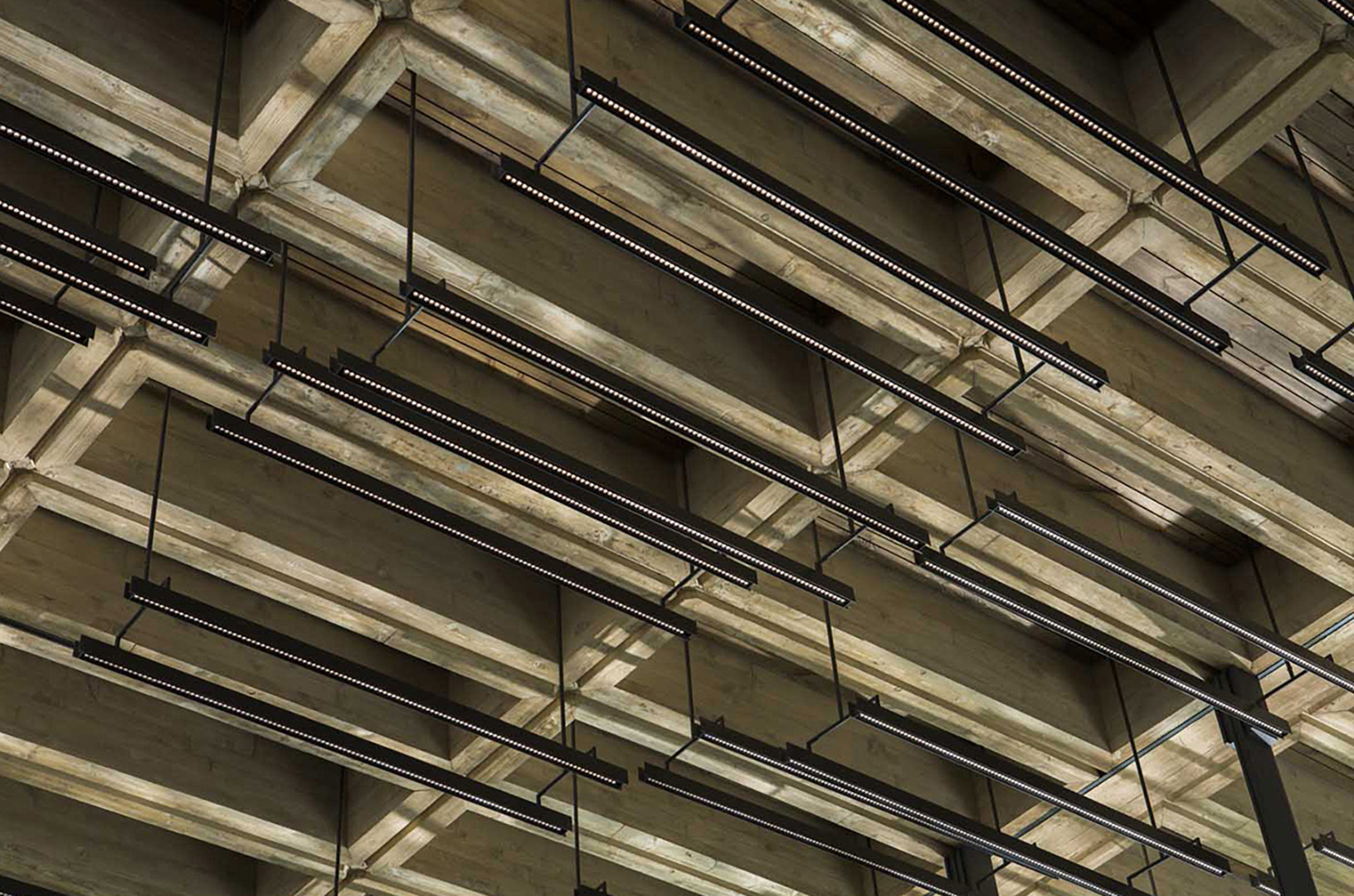
The lighting design reinforces the project’s placemaking strategy: on the exterior, linear light fixtures  highlight the building facades and trace the connecting lines between the halls. Inside, a system of suspended lighting channels weaves through the roof trusses, providing the flexible display lighting without detracting from the museum’s architectural character.

The inaugural Wuzhen Art Festival exhibited work from international artists like Ai Wei Wei, Maya Lin, Studio Job, Florentin Hoffman and Richard Deacon—a testament to the success of the transformation.
Project Gallery

Museum of Islamic Art Terrace

Design: 2015-2016
Construction: 2016

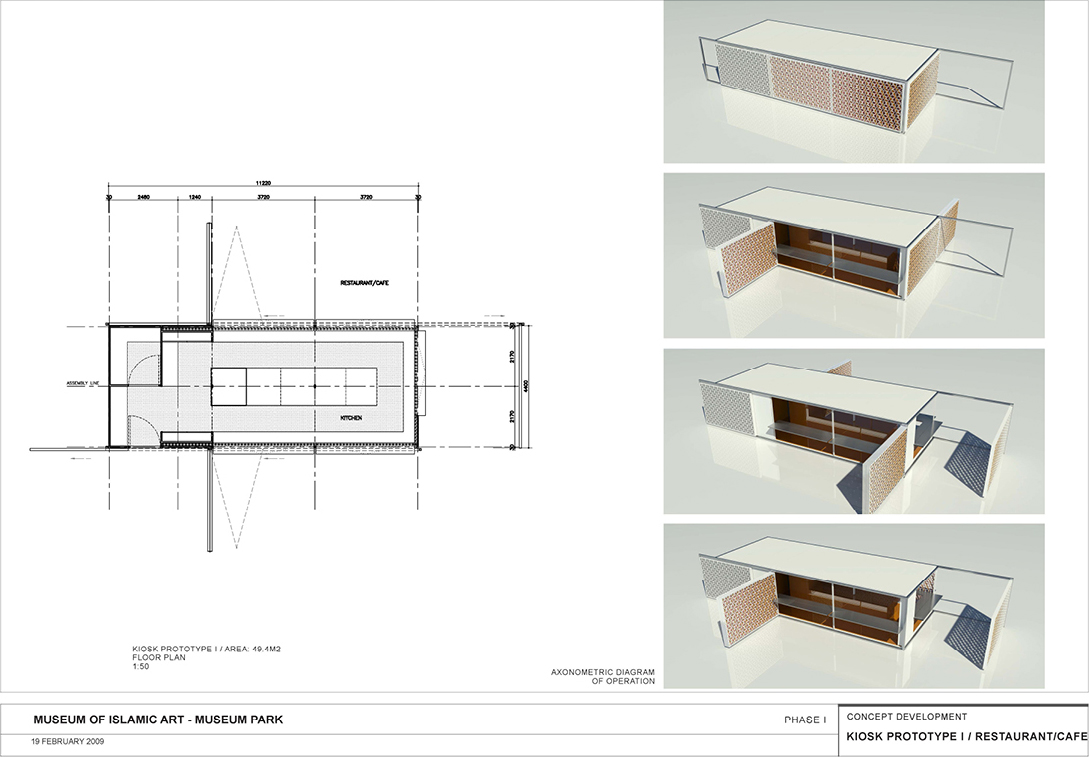
At the top floor of I. M. Pei’s Museum of Islamic Art is Idam, Alain Ducasse’s first restaurant in the Middle East offering an Arabic inspired French haute cuisine. Simple yet understated, the design provides access from the signature national institution to a newly designed terrace space with seating and service counters.

Oversized stainless-steel peak doors, low iron glass and “Hautville” French limestone preserves the geometry and material palate of the original museum design while offering a new experience, with spectacular panoramic views of the ever-growing Doha skyline.

Project Gallery

Earth Park

Earth Park

Design: 2022

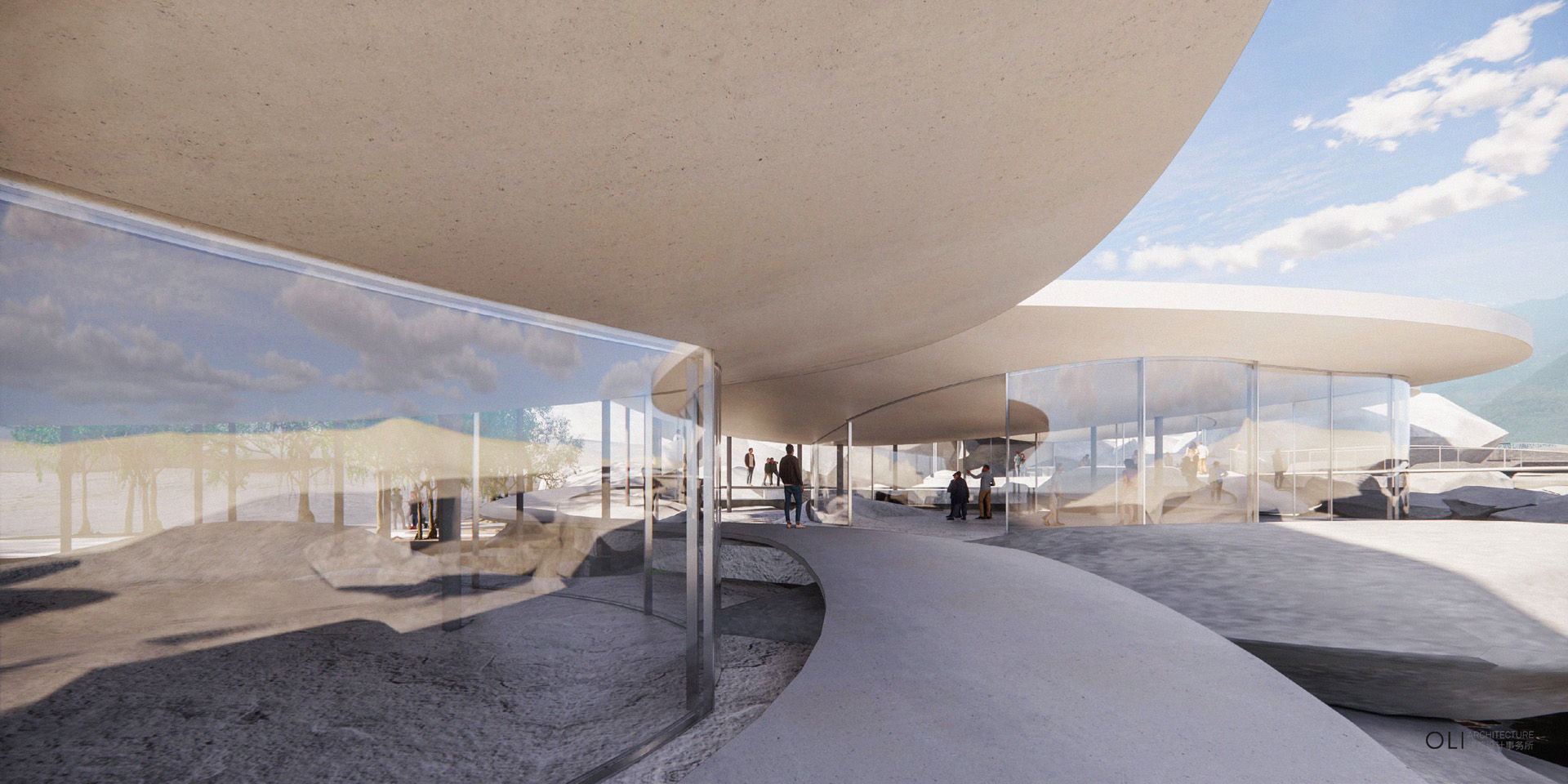
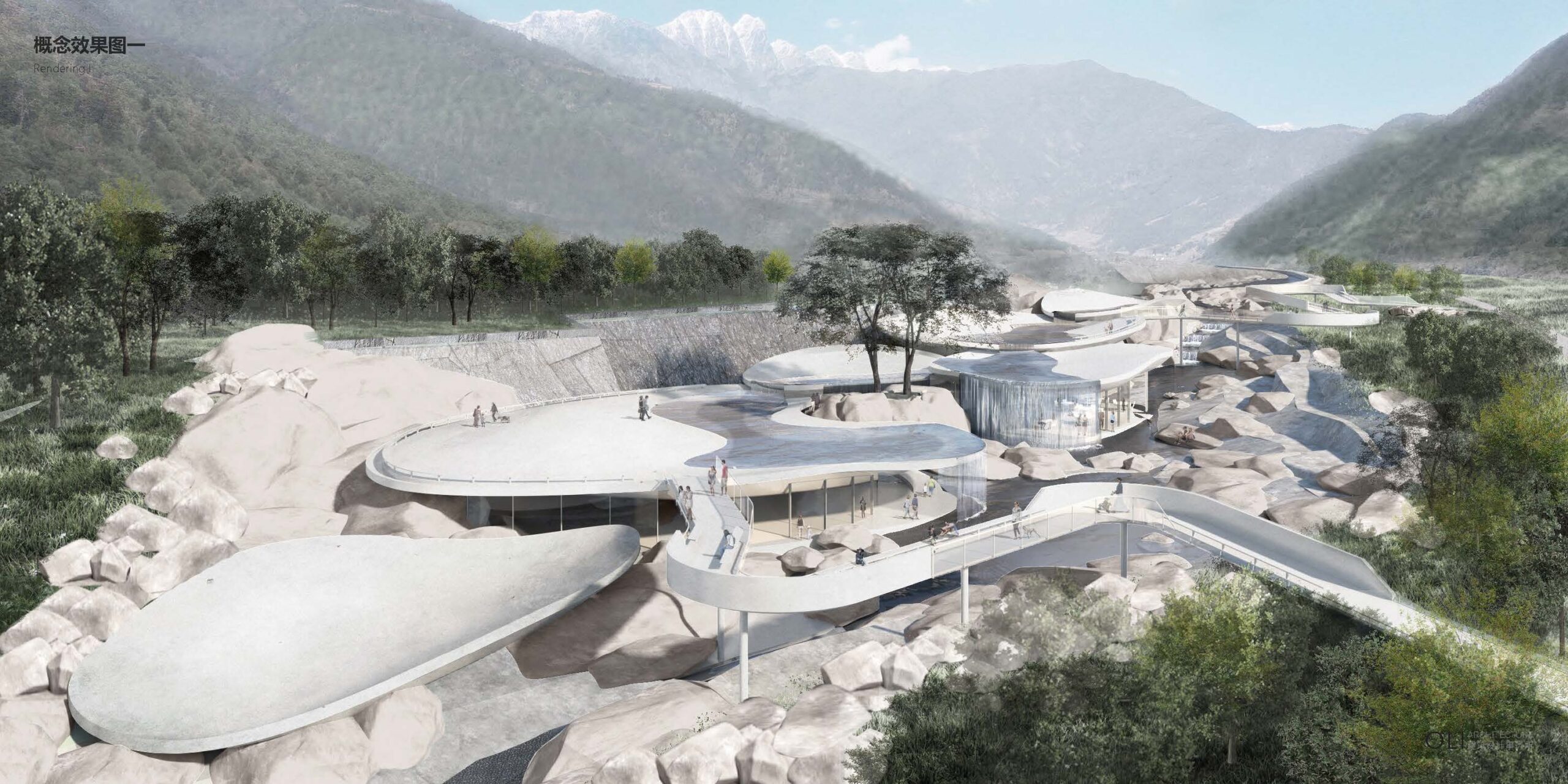
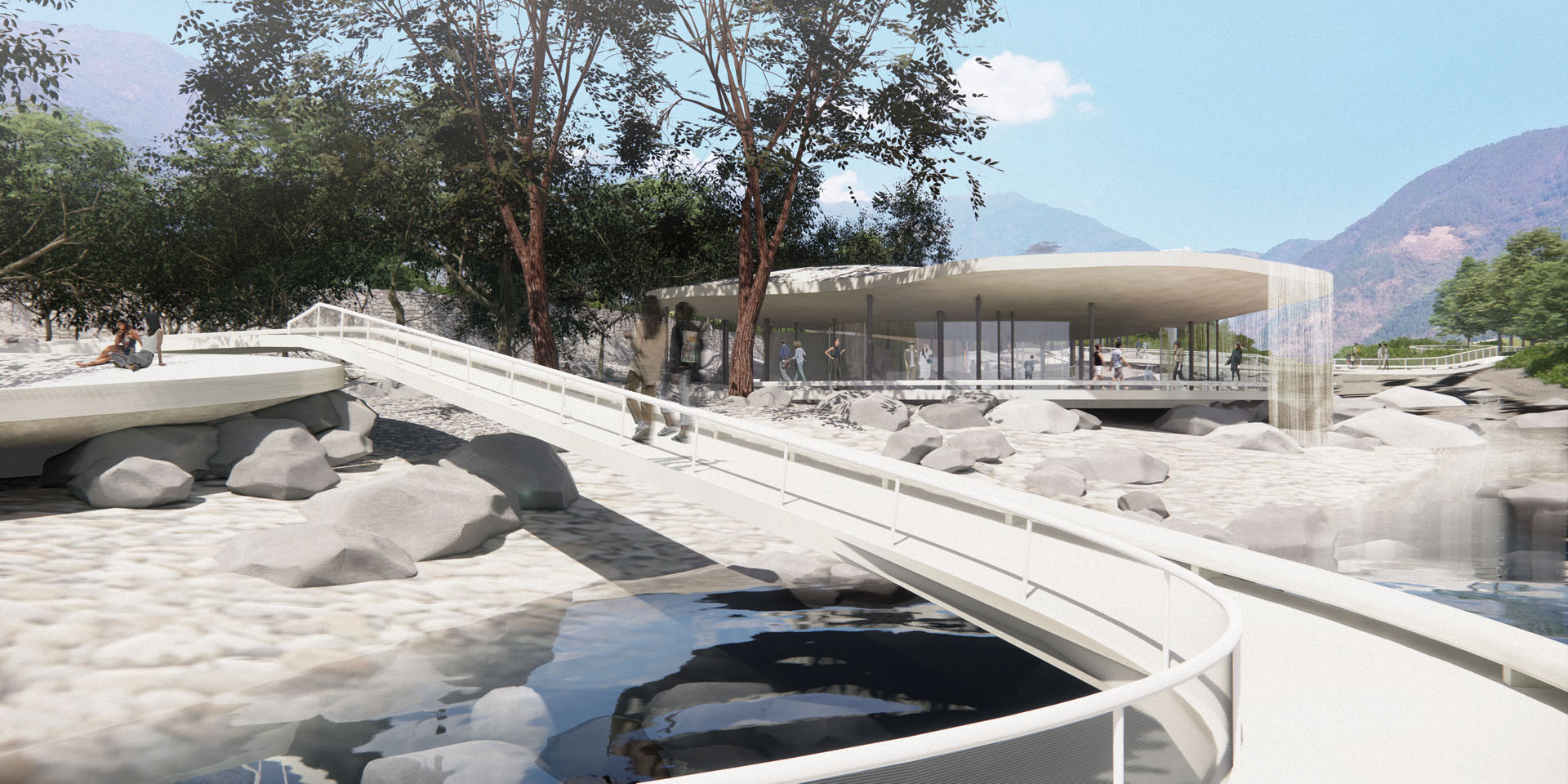
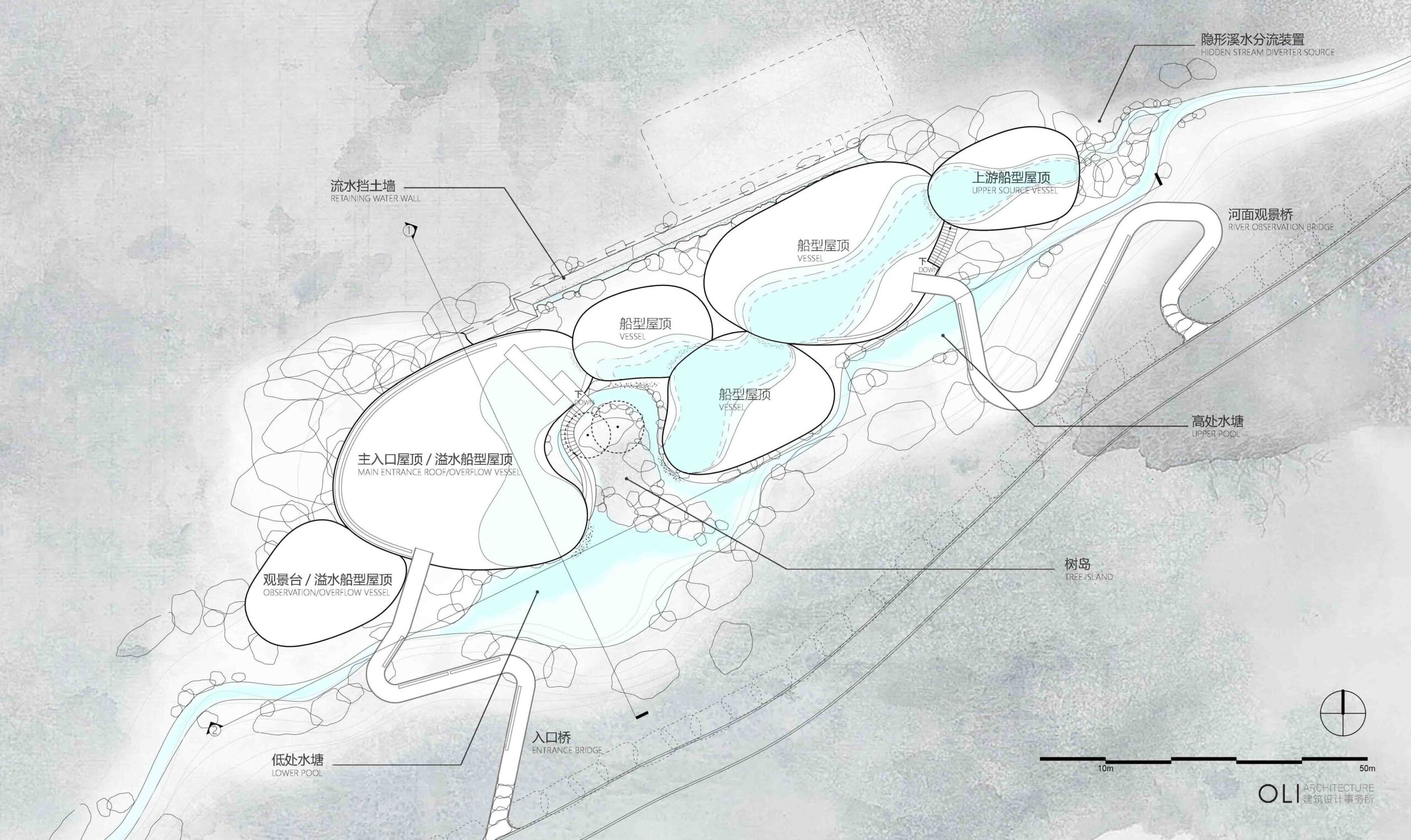
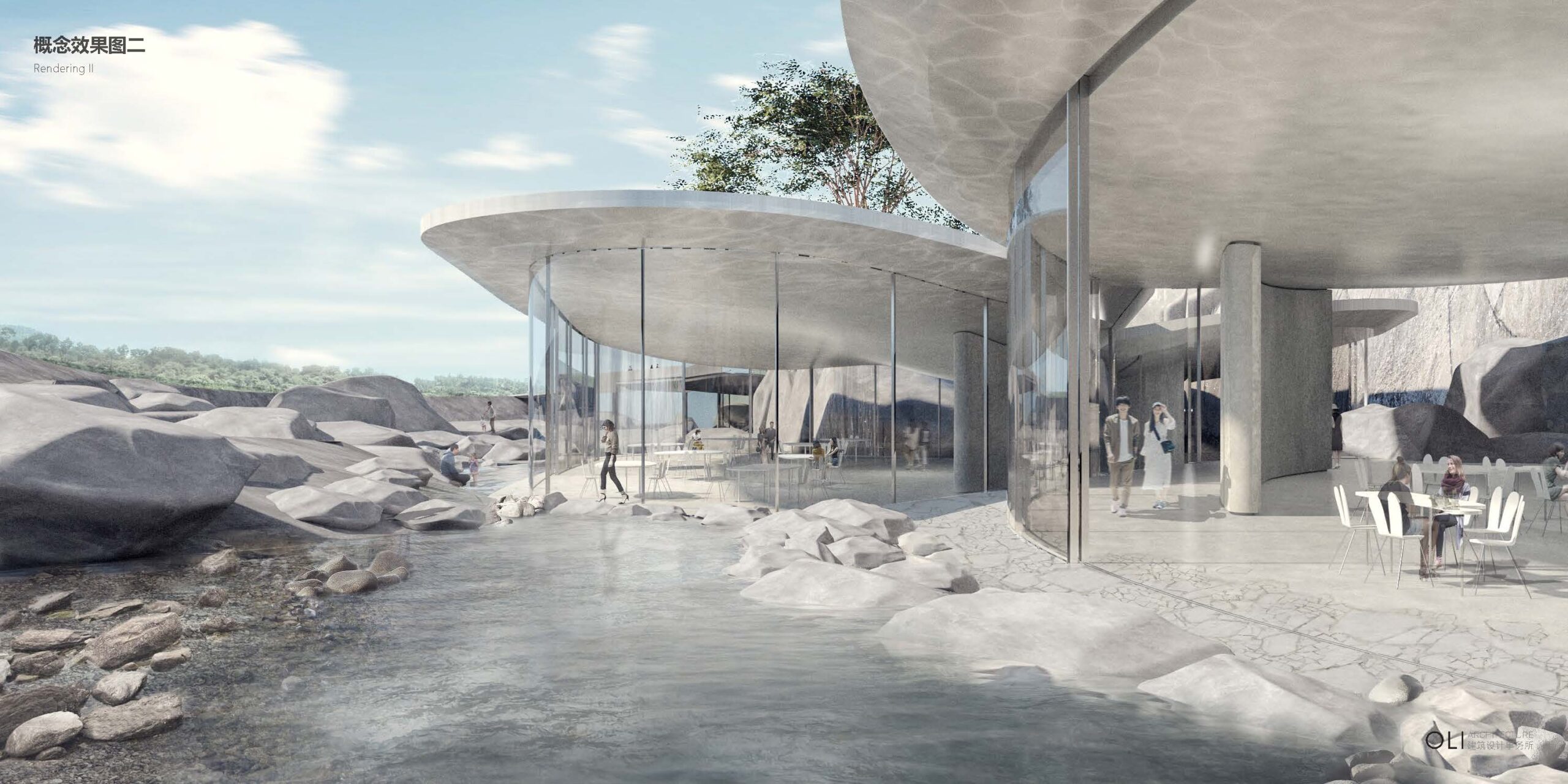
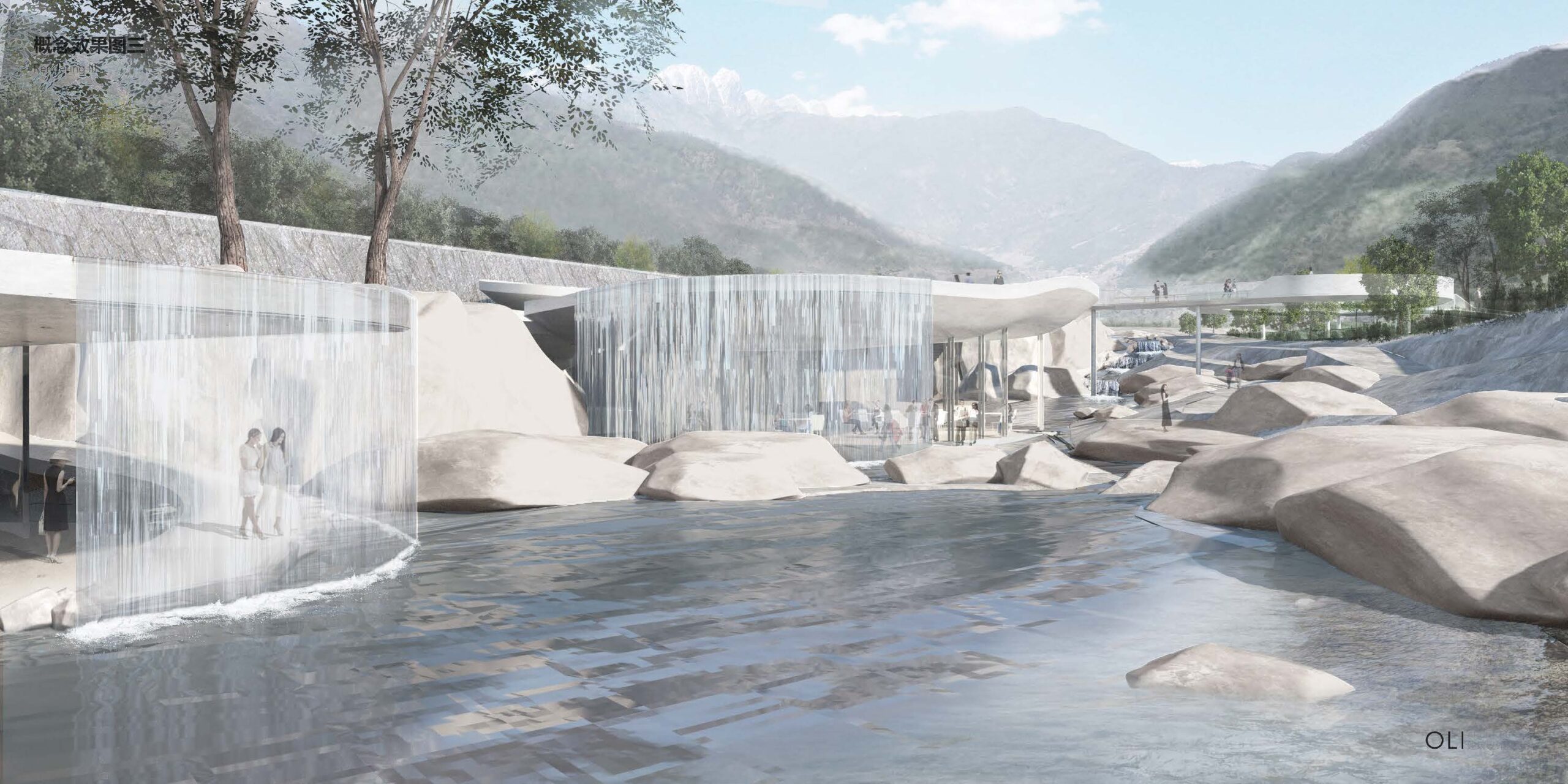
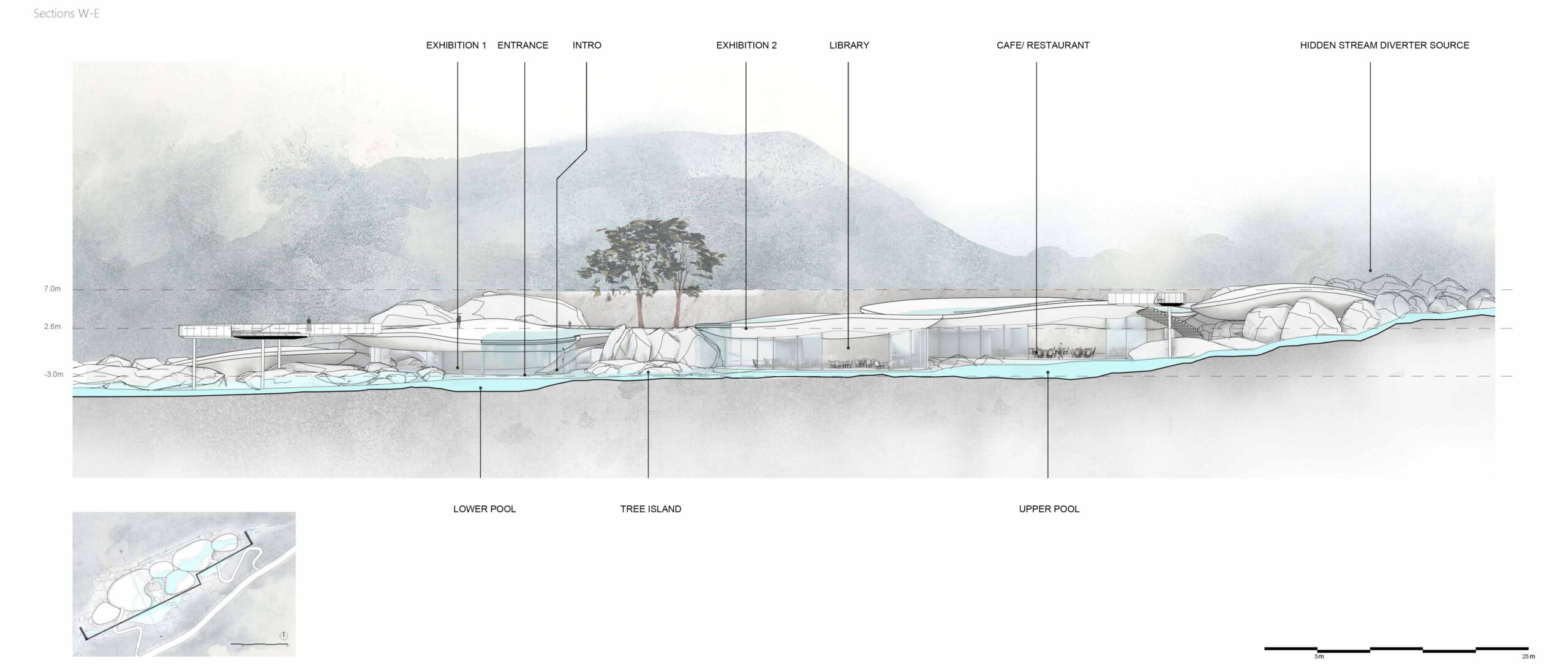
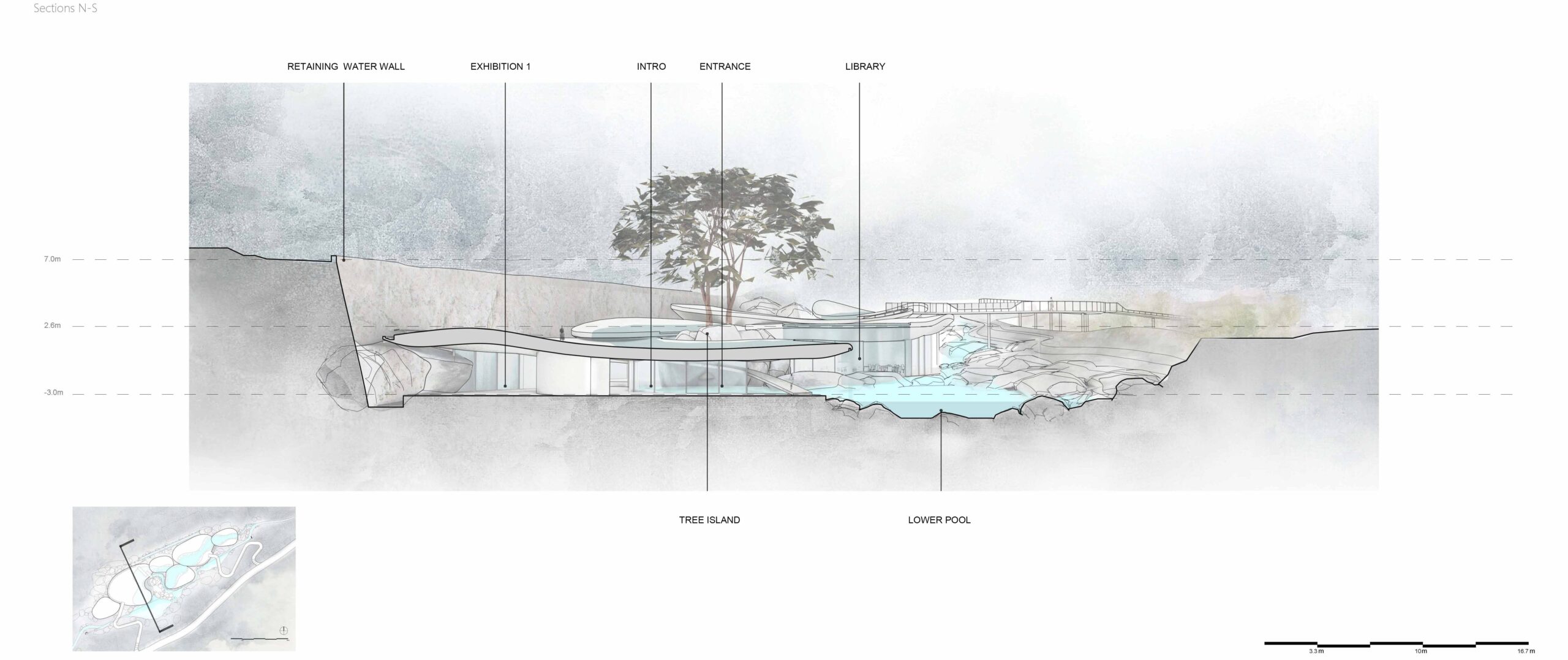
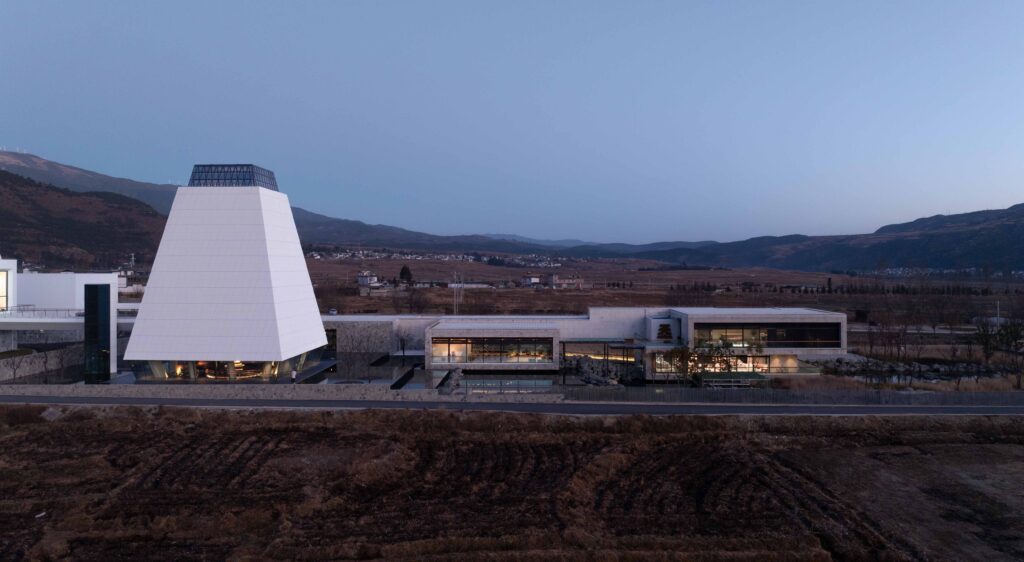
Nestled in a tributary of the Anning River in Sichuan’s Liangshan Yi Autonomous Prefecture, the Hua Hai Gao Earth Park Natural Art Gallery is a striking blend of architecture and landscape. Carefully shaped in response to the site’s undulating, rocky topography, the building appears to rise from the ancient river valley. Inspired by the eroded shape of river boulders, the Natural Art Gallery consists of three discrete concrete shell volumes that appear to float above a recontoured river bed. These volumes house the exhibition spaces, combining art and nature to showcase the natural beauty of the river and the future Hai­huagou Earth Park development.

Approaching the Natural Art Gallery via a pedestrian foot bridge that connects to the roof of the reception and exhibition hall, visitors experience a sense of physical and mental separation from the busy access road. While crossing the entry bridge, visitors are then immersed in views of the river upstream, where water is quietly diverted via a hidden ballast valve. From there, the stream flows gently from each successive concrete roof vessel in a series of controlled cascades, eventually falling down as curtains of water around programmed areas.

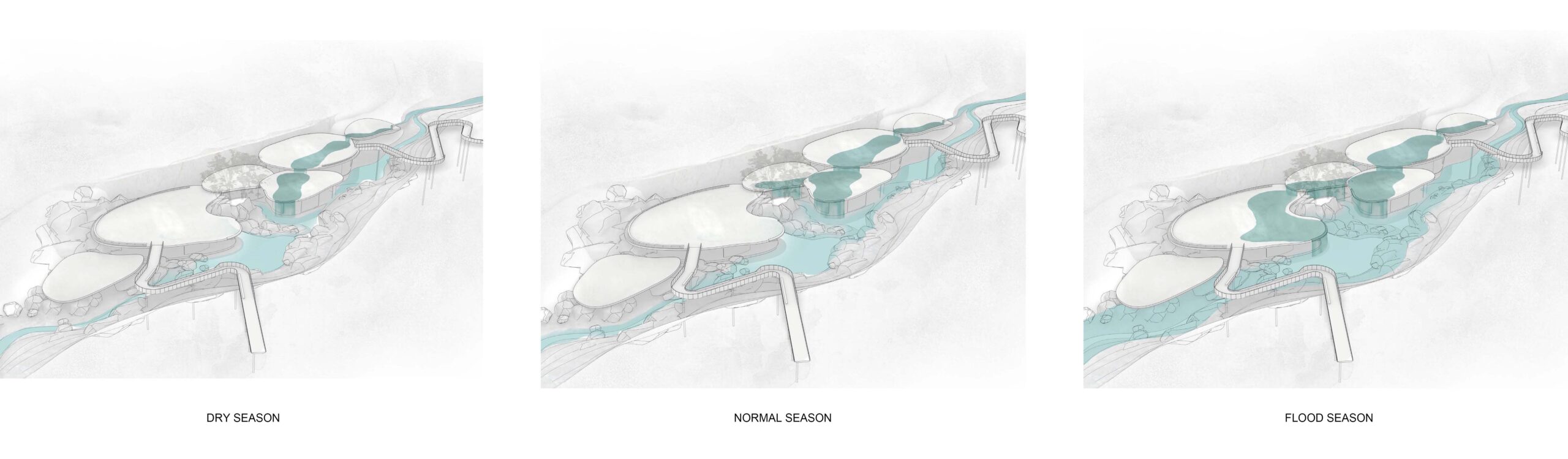
Within the Natural Art Gallery, expansive curved glass enclosures physically and visually open to 180-degree views of the river valley. Pools of varying depths respond to seasonal changes in the river’s edge, creating evolving experiences throughout the year. The result is a dynamic destination that brings visitors closer to the wonders of nature on each successive visit.

Project Gallery

Museum of Islamic Art Park

Museum of Islamic Art Park

Design: 2009-2010
Construction: 2010-2012
Design Consultant/Project Designer: Hiroshi Okamoto
Lead Consultant: Pei Partnership Architects

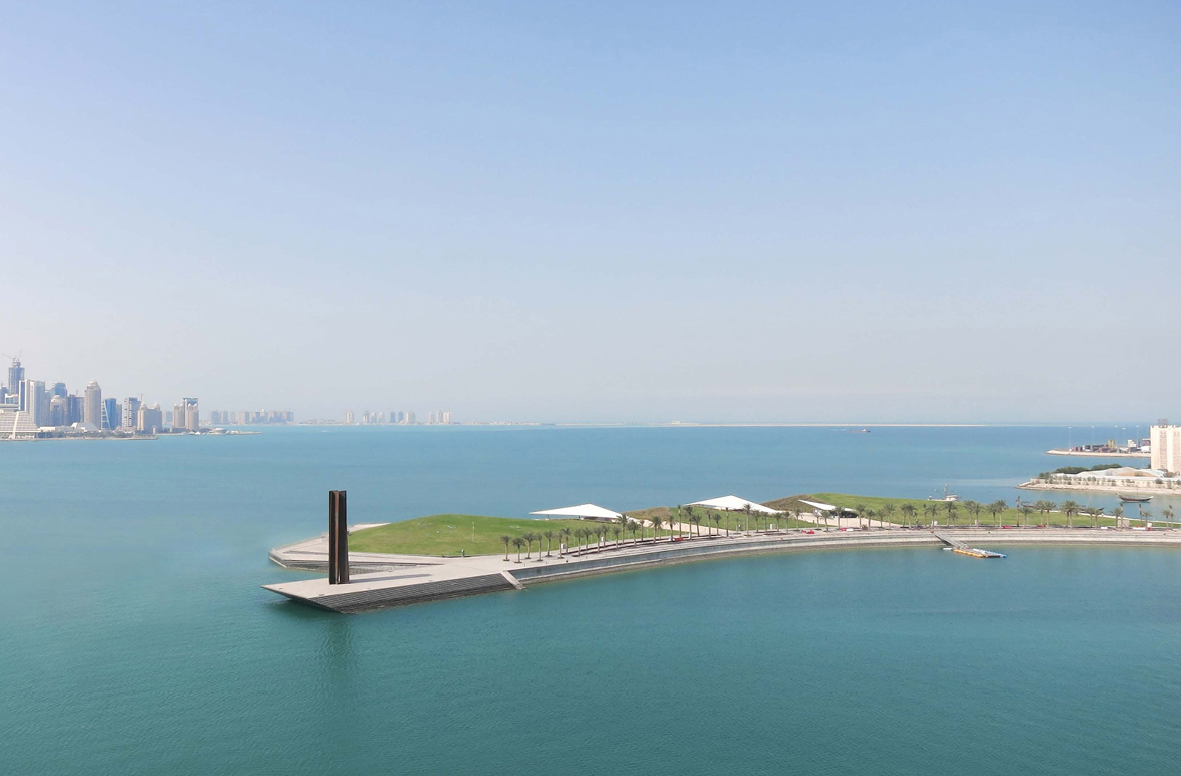
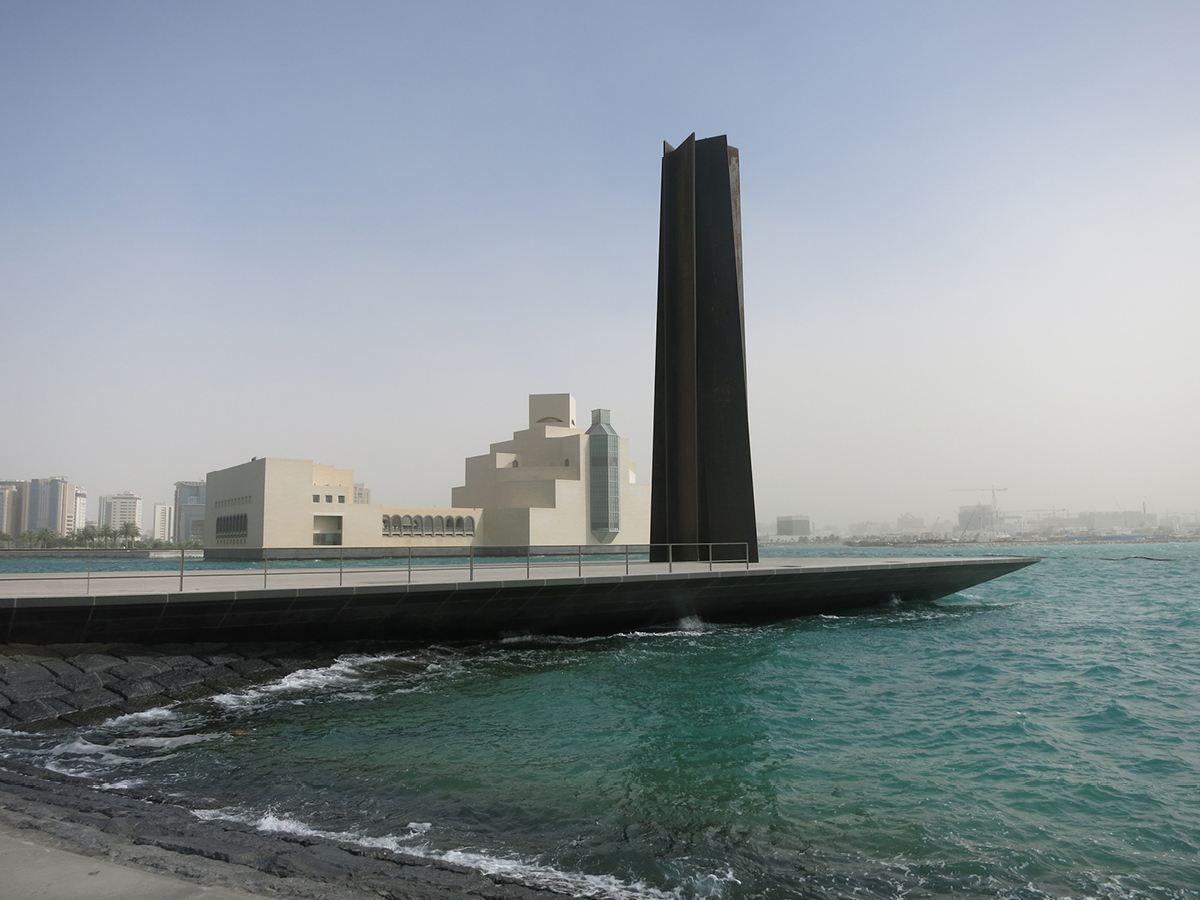
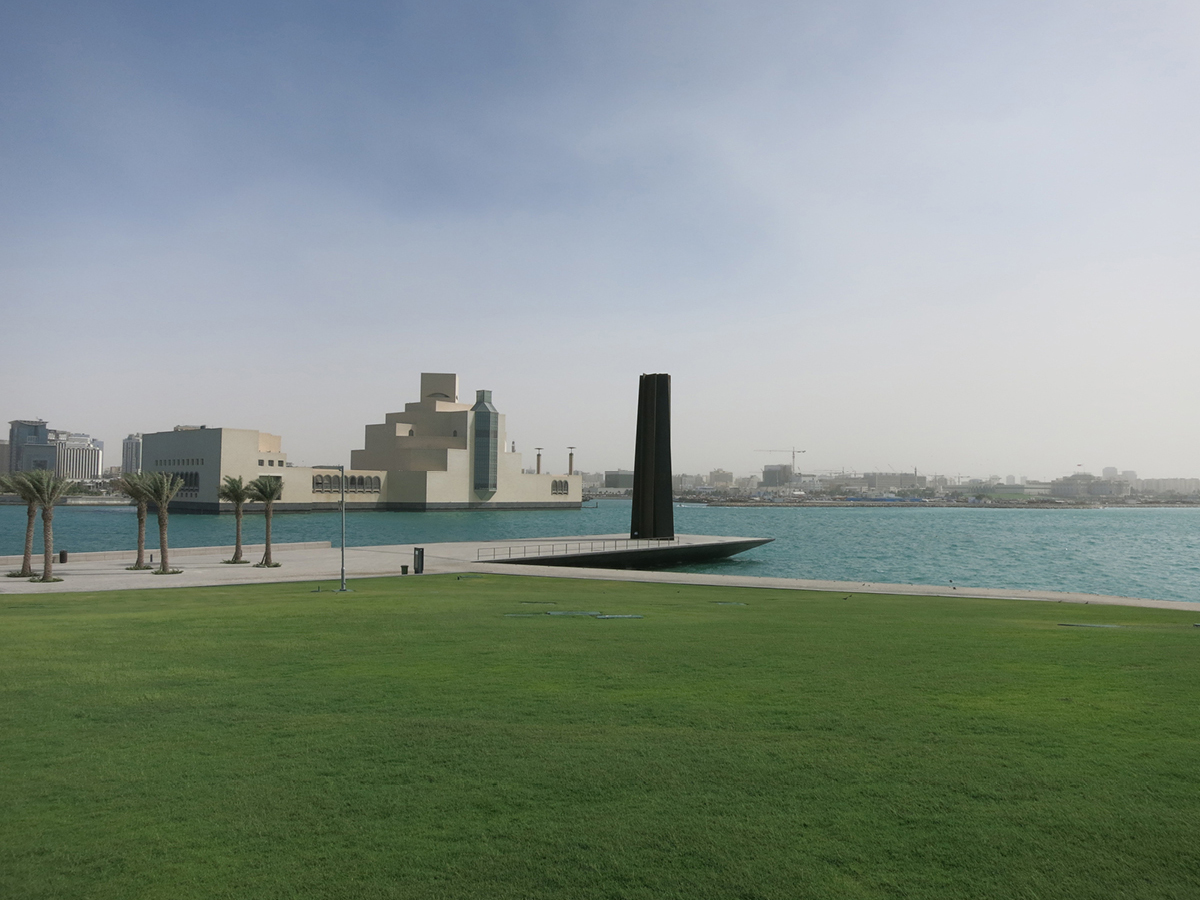
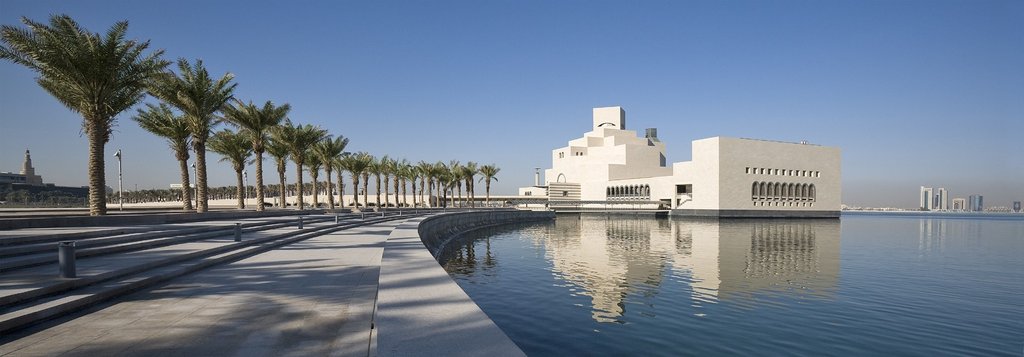
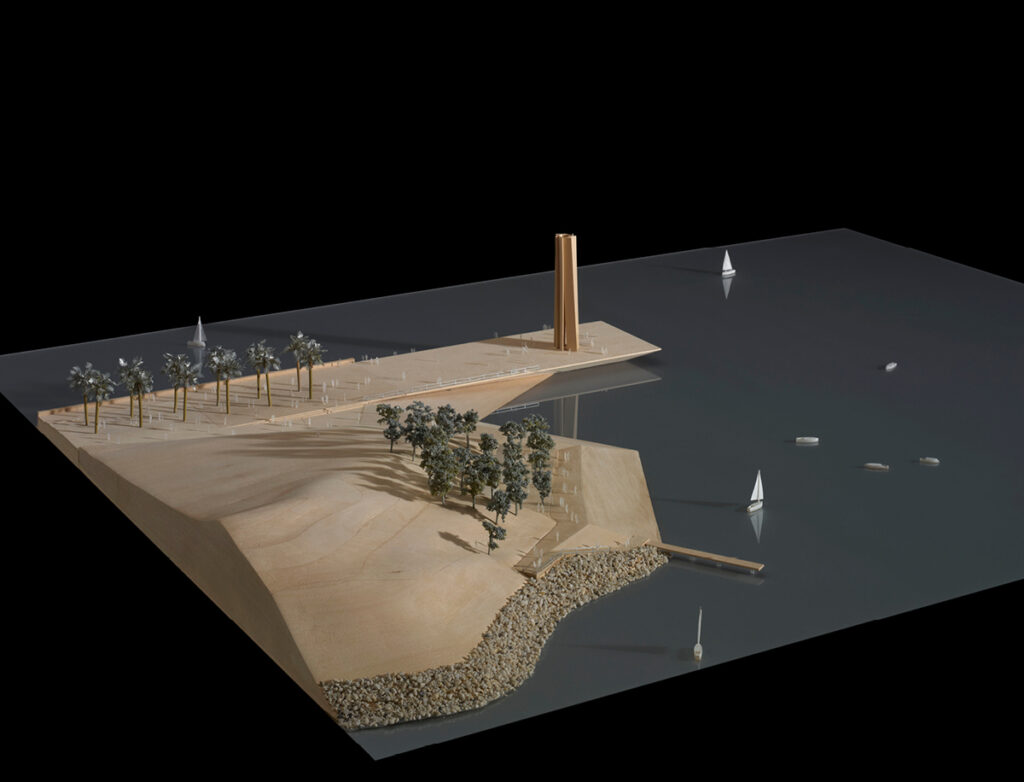
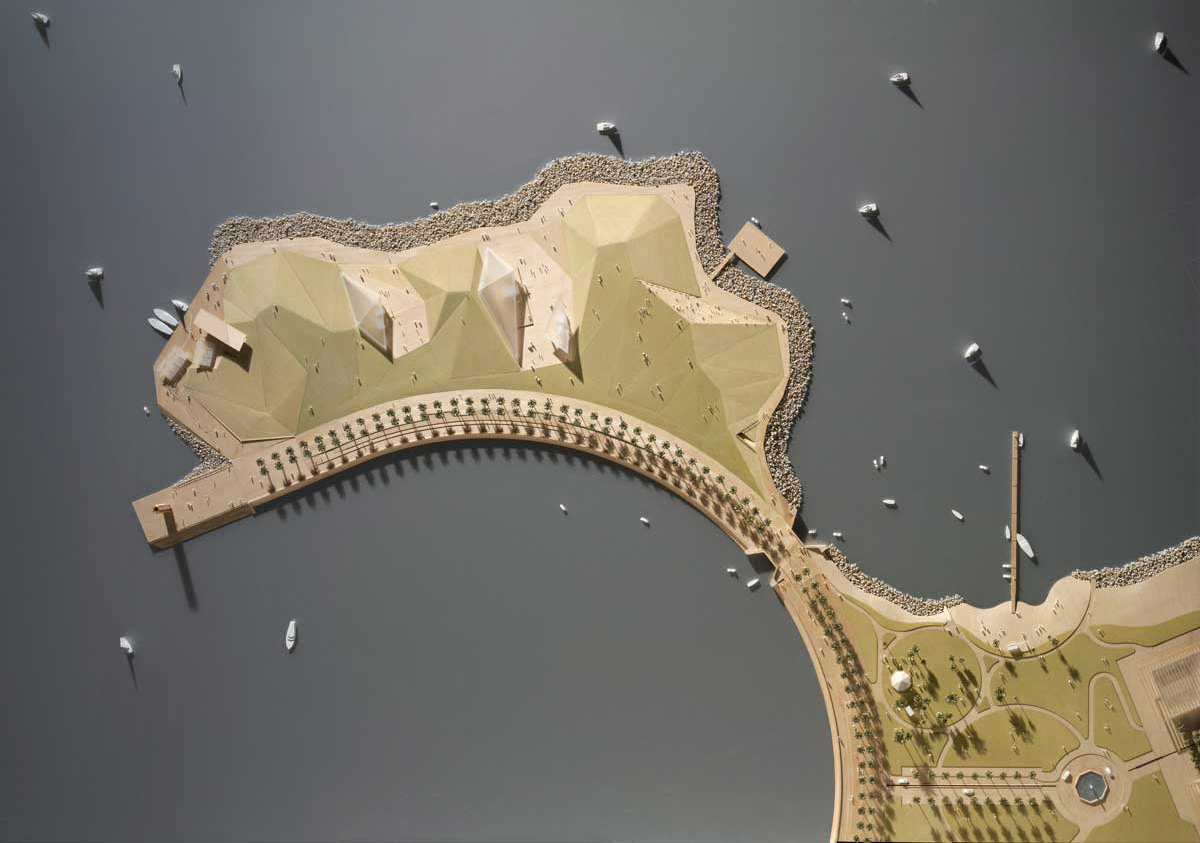
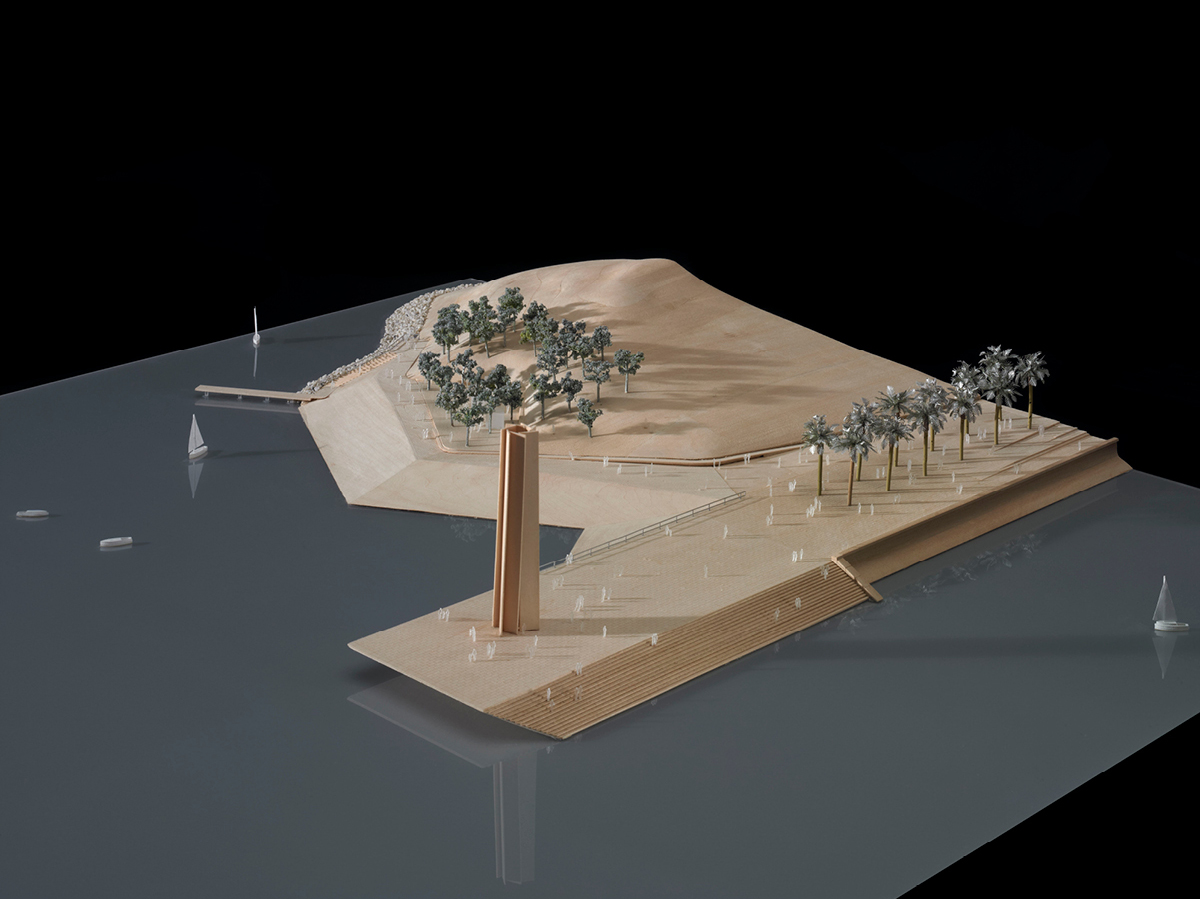
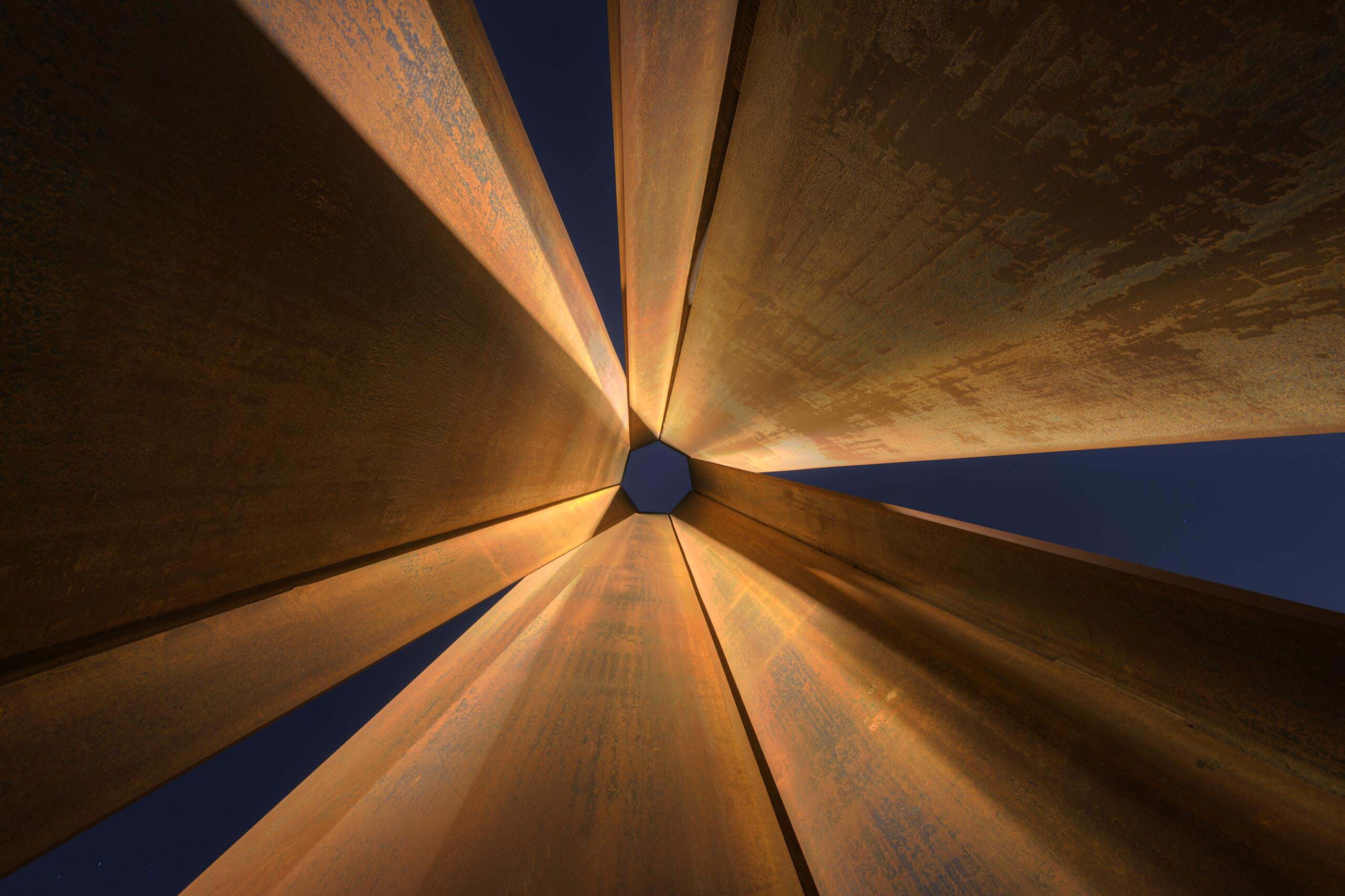
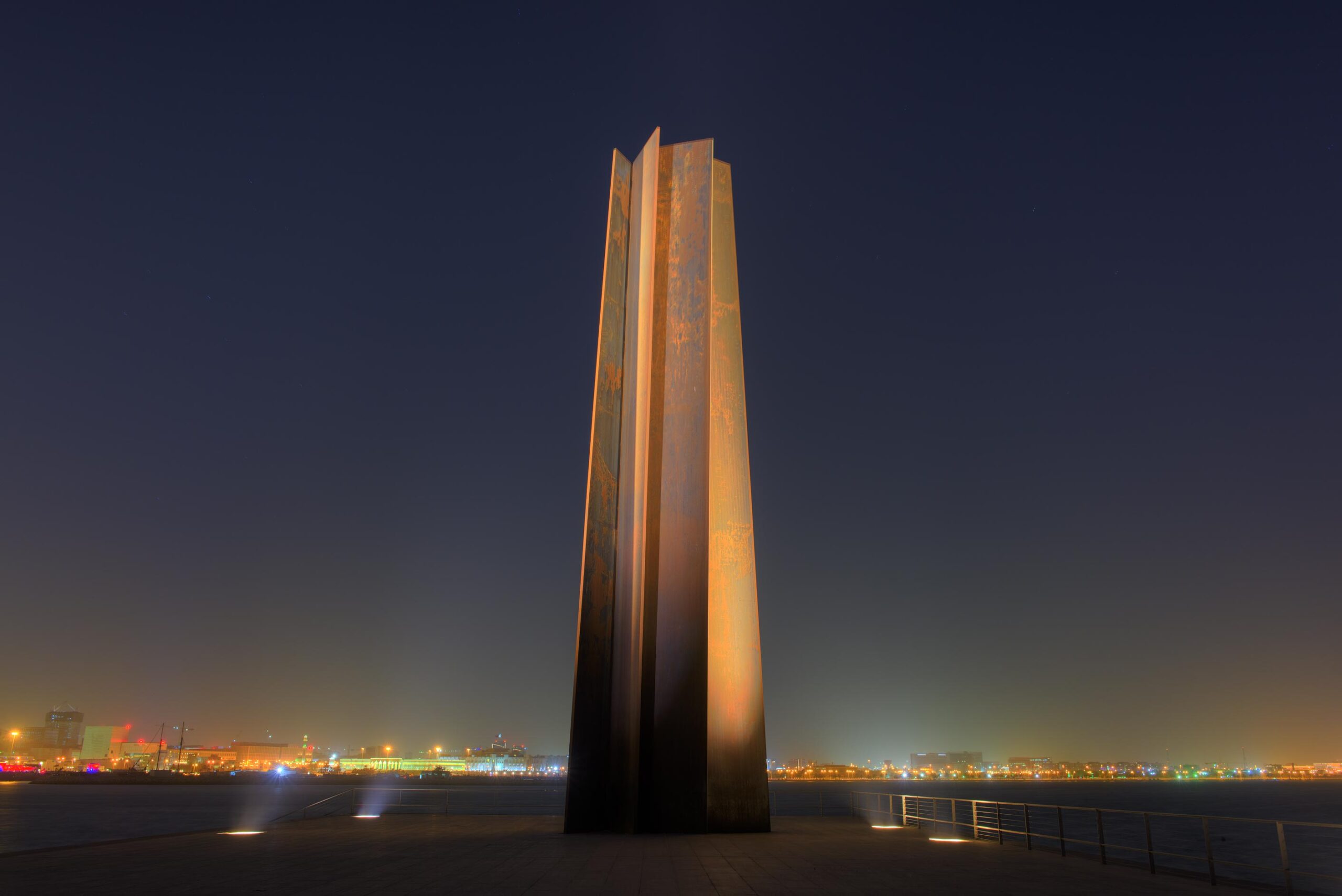
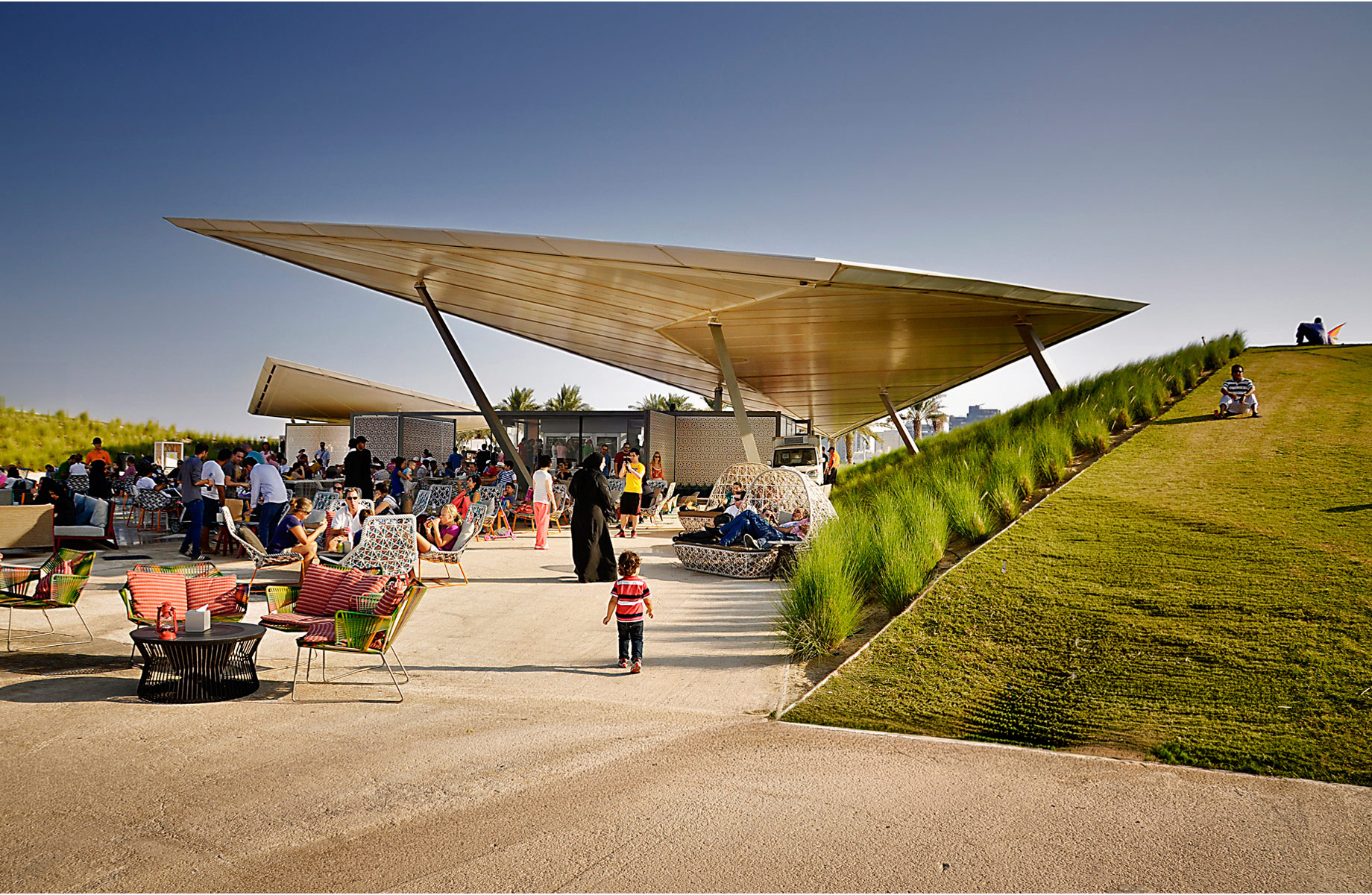
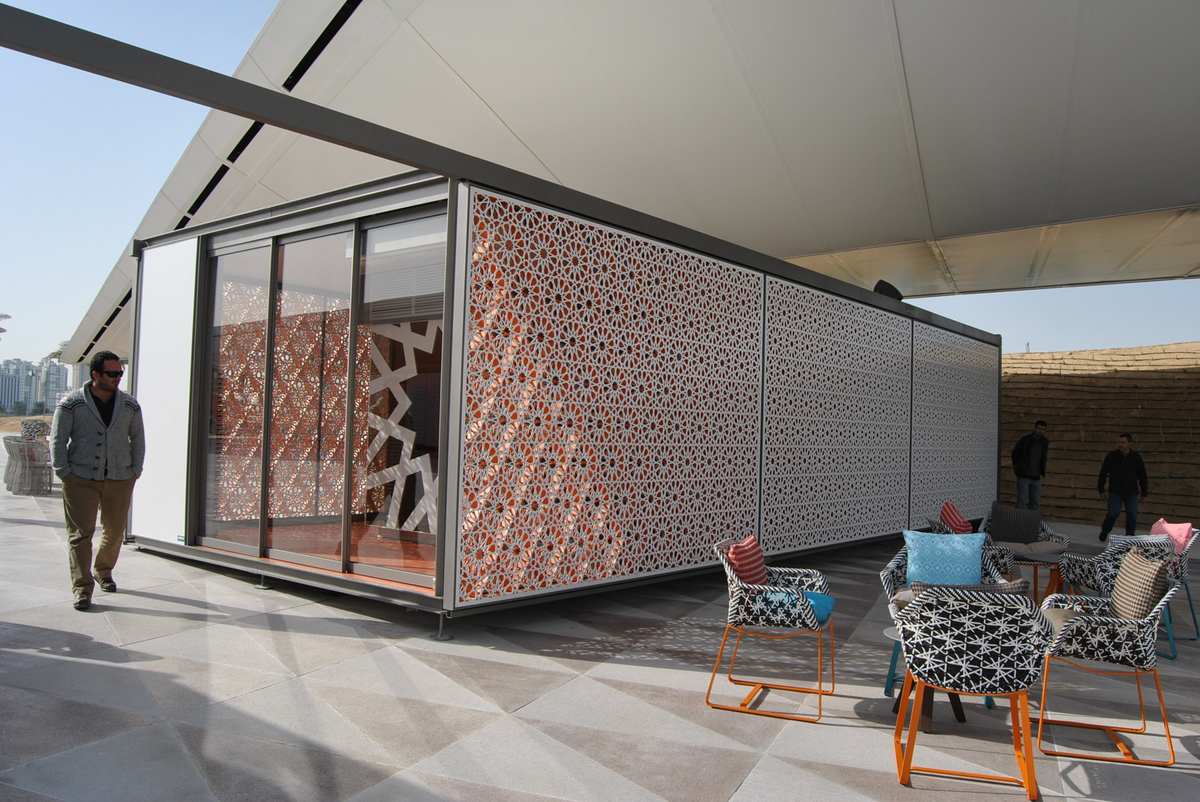
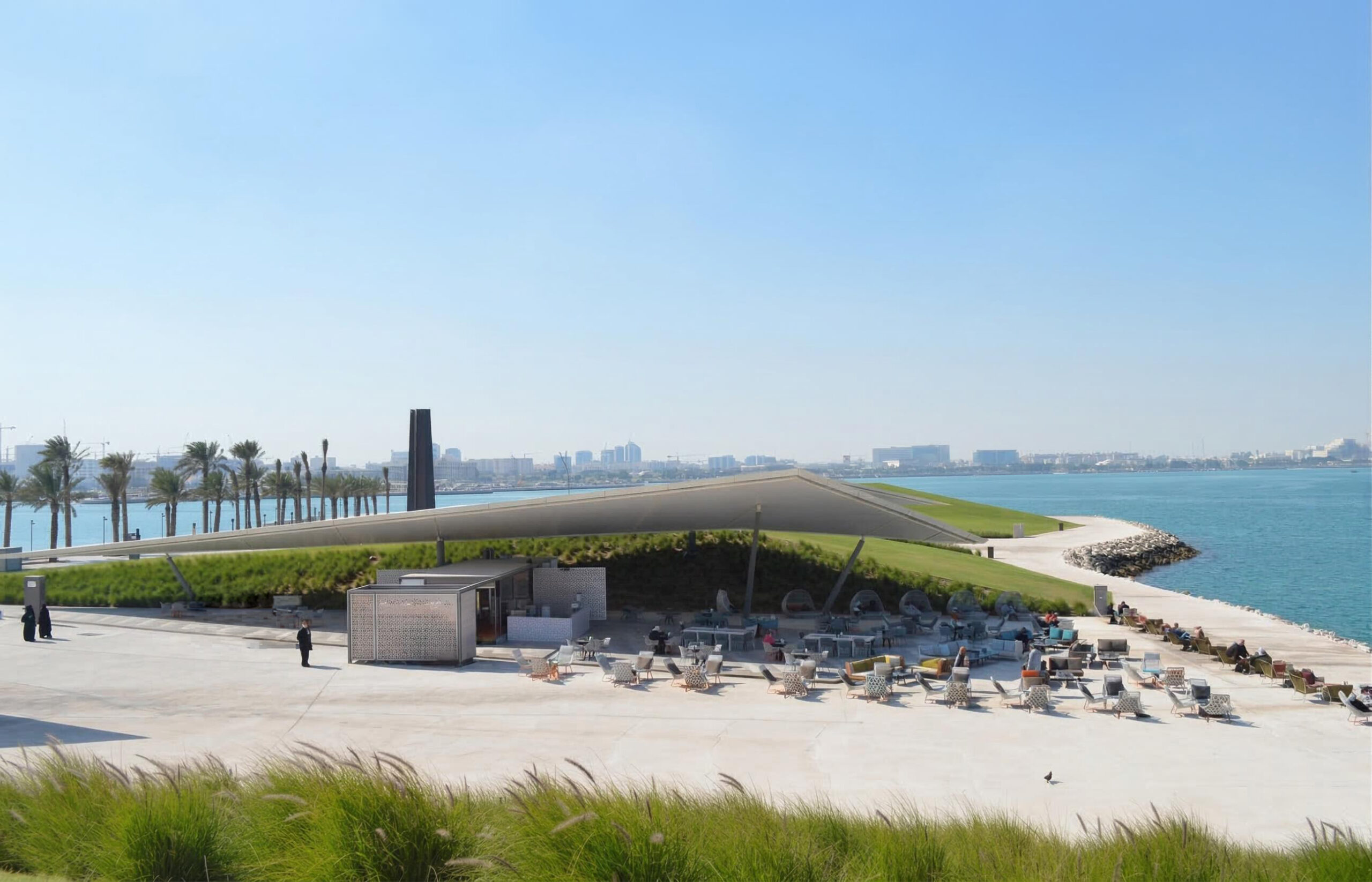
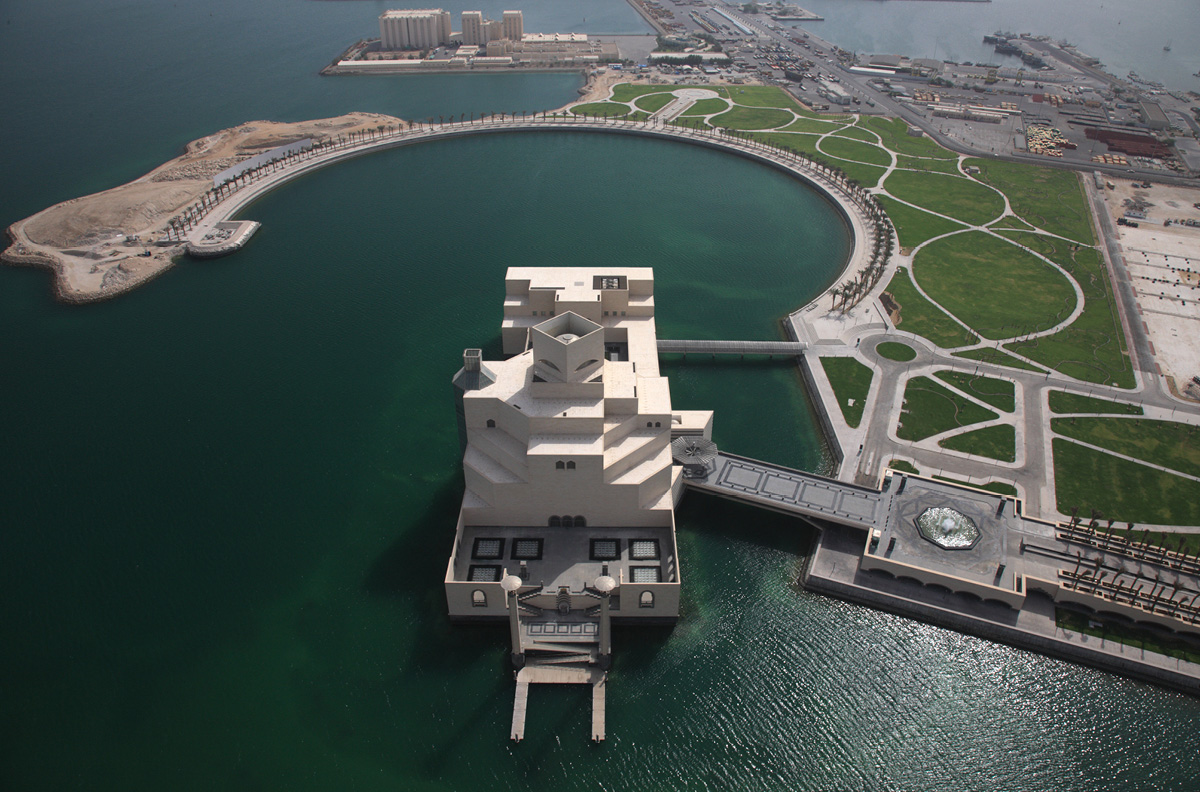
The Museum of Islamic Art Park is a redevelopment project of the 24-hectare man-made landfill surrounding I. M. Pei’s Museum of Islamic Art in Doha, Qatar. Anchored by a 79-foot, site-specific sculpture by Richard Serra, the park’s five-hectare peninsula includes restaurants, kiosks, and leisure amenities. As the capstone to the Doha Corniche redevelopment, it transforms the city’s seaside promenade into a cultural public park that is accessible 24 hours a day to residents and families alike.

The black granite pier designed for the Serra sculpture—a monolithic chamfered parallelogram—extends from the end of a palm-lined allée, forming a majestic backdrop to the museum. From this vantage point, visitors are treated to panoramic views of Doha Bay and the city’s rapidly transforming skyline. The pier cantilevers 249 feet over the water, creating a powerful tension between its horizontality and the verticality of the sculpture.

On the top floor, Idam, Chef Alain Ducasse’s first restaurant in the Middle East, occupies a new dining space and terrace. Oversized stainless-steel peak doors, low-iron glass panels, and Hauteville French limestone preserve the geometry and material palette of the original museum. At the same time, the space offers a new experience and new views of the city skyline.

Project Gallery

Museum of Islamic Art

Museum of Islamic Art

Design: 2001-2005
Construction: 2004-2008
Area: 36,000 m2
Architect: I. M. Pei
Site Representative: Hiroshi Okamoto

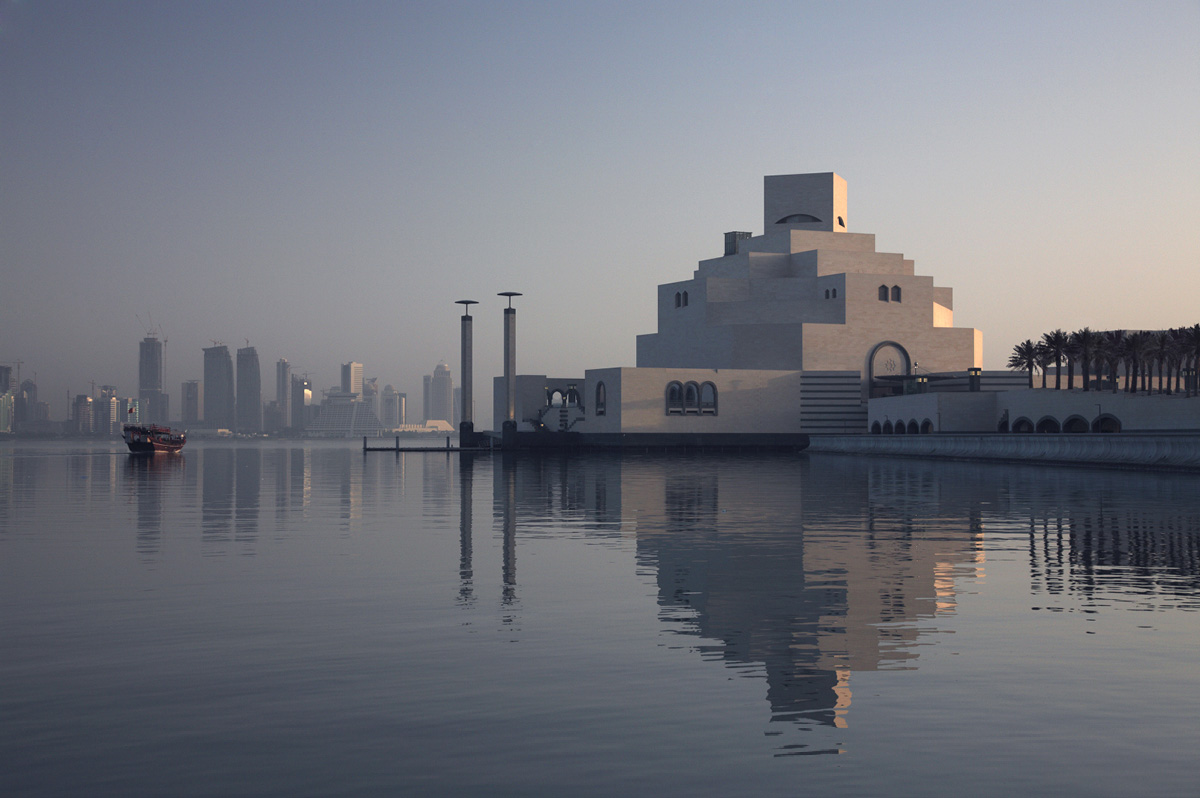
The Museum of Islamic Art is located just south of Doha’s Corniche on a man-made island 60 meters from the shore. Protected by a C-shaped peninsula, the limestone and granite building is physically isolated yet highly visible throughout the capital city, appearing as an architectural landmark emerging from the Persian Gulf.

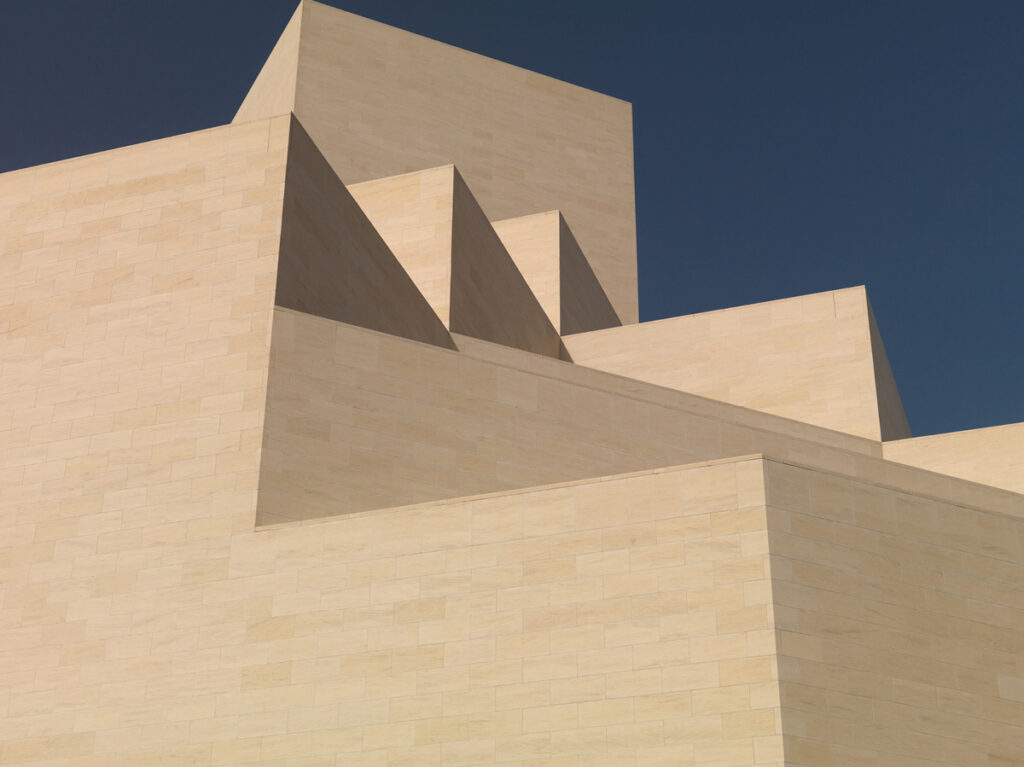
The project ignited a studio-wide exploration into the essence of Islamic architecture across its wide-ranging cultural and regional expressions. That search ultimately centered on the desert sun, and the way it animates and enlivens simple geometric forms. In response, the museum’s exterior is shaped by the interplay of sunlight and shadow, with radiant surfaces and monolithic faceted forms creating depth within the building’s monumental form.

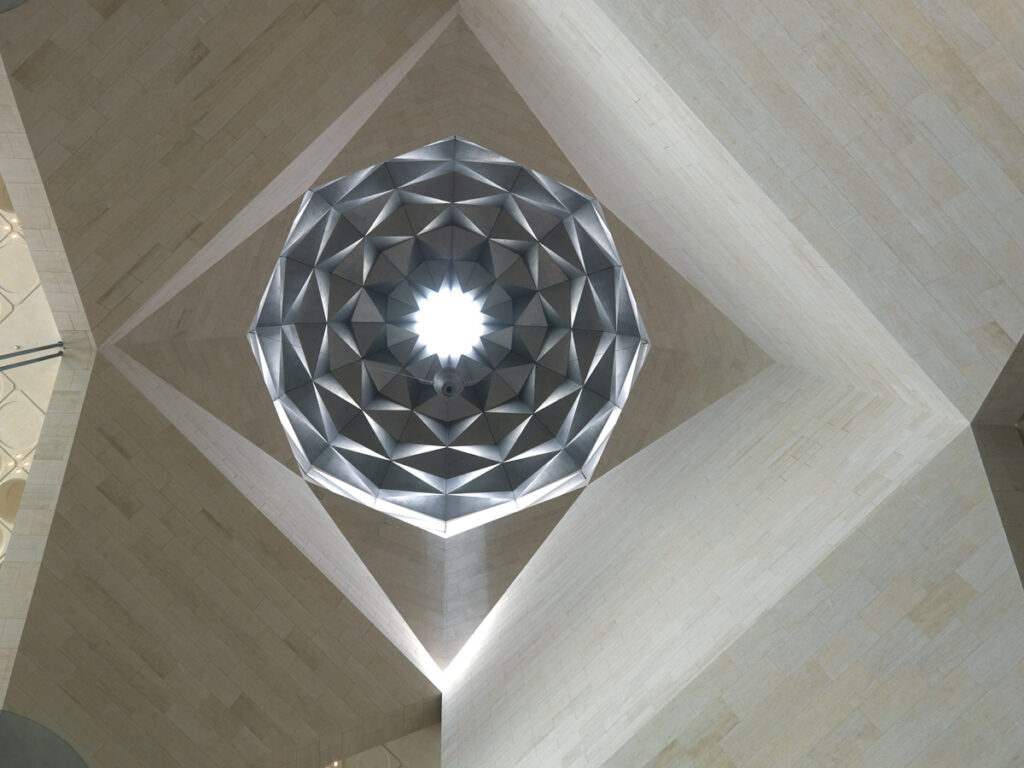
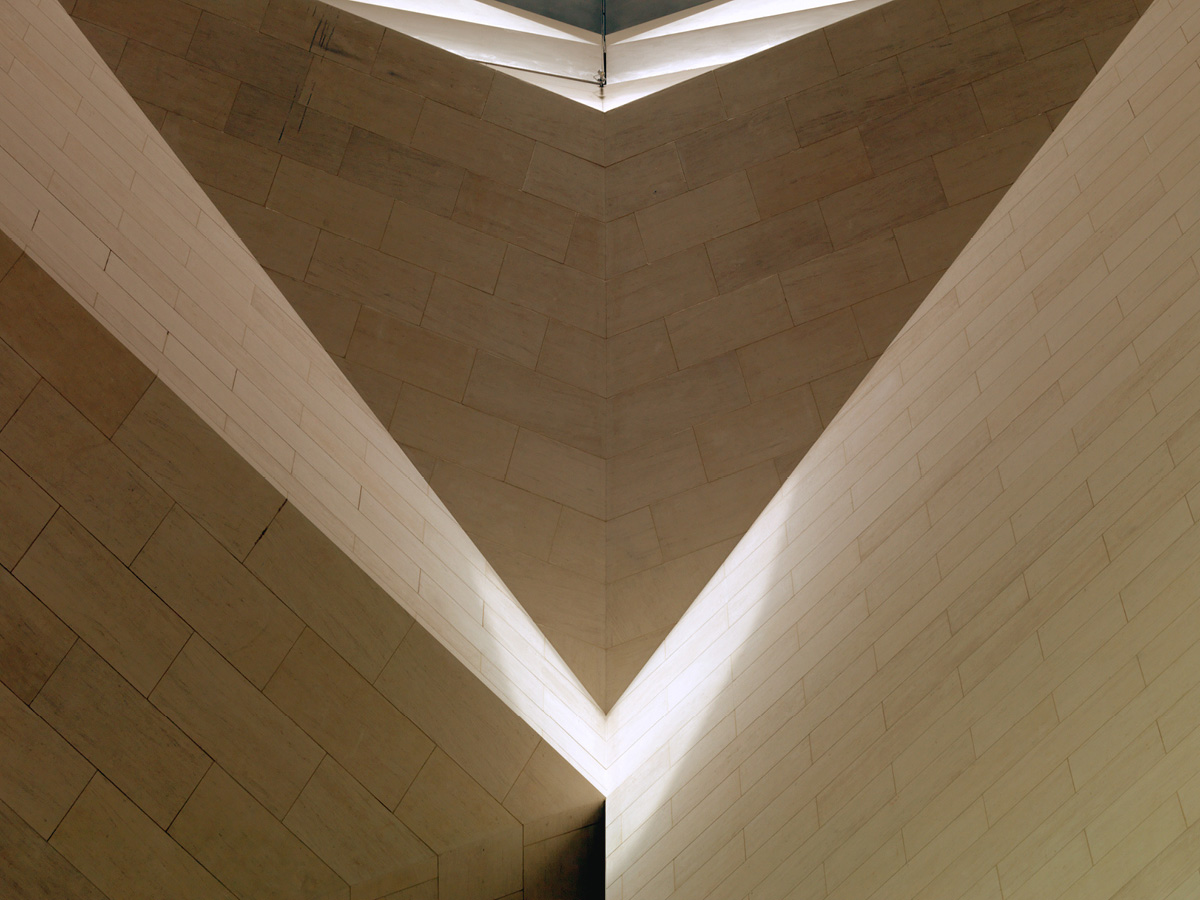
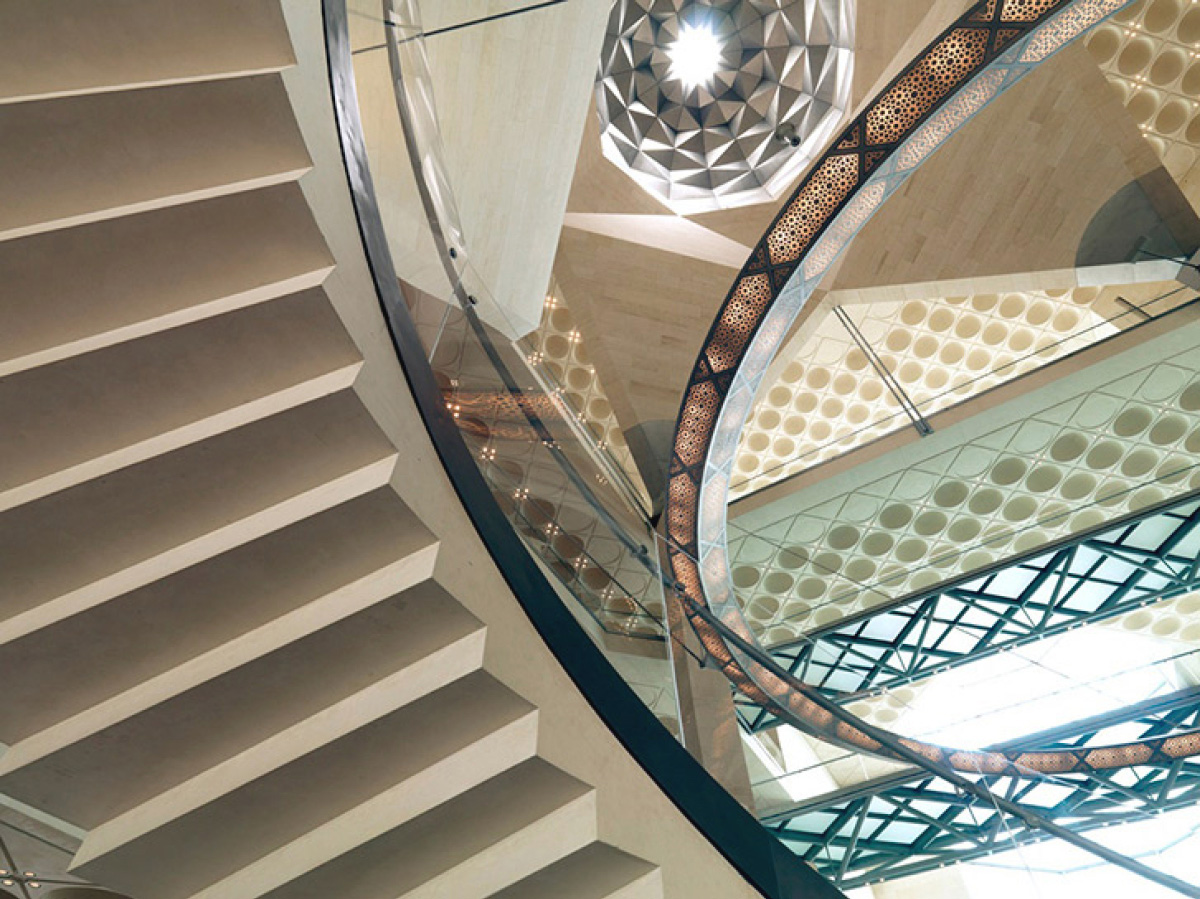
Inside, the exhibition galleries rise incrementally around a central atrium, becoming both smaller and taller as they ascend. At the heart of the atrium, a grand stair doubles back beneath a crowning skylight. The space climaxes in a progressive matrix from circle to octagon to square before transforming into four triangular corners that recline at varying angles to form the atrium’s supporting columns.

Supplementing the galleries and gardens are a bookstore, dining venue, auditorium, prayer hall, and an education center connected by a serene arcaded garden.

Project Gallery

Luoyang Museum

Luoyang Museum

Design: 2022-2023

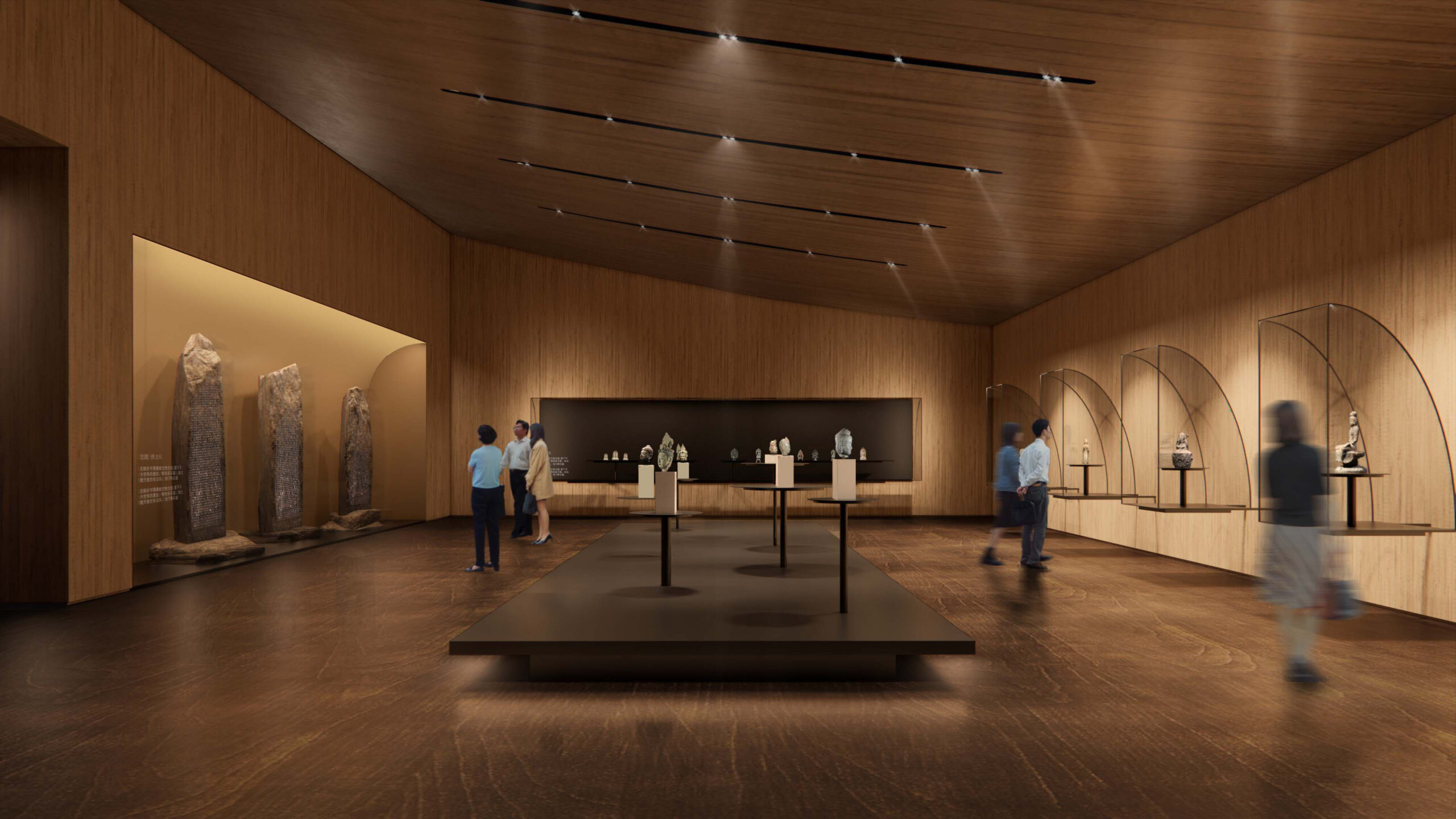
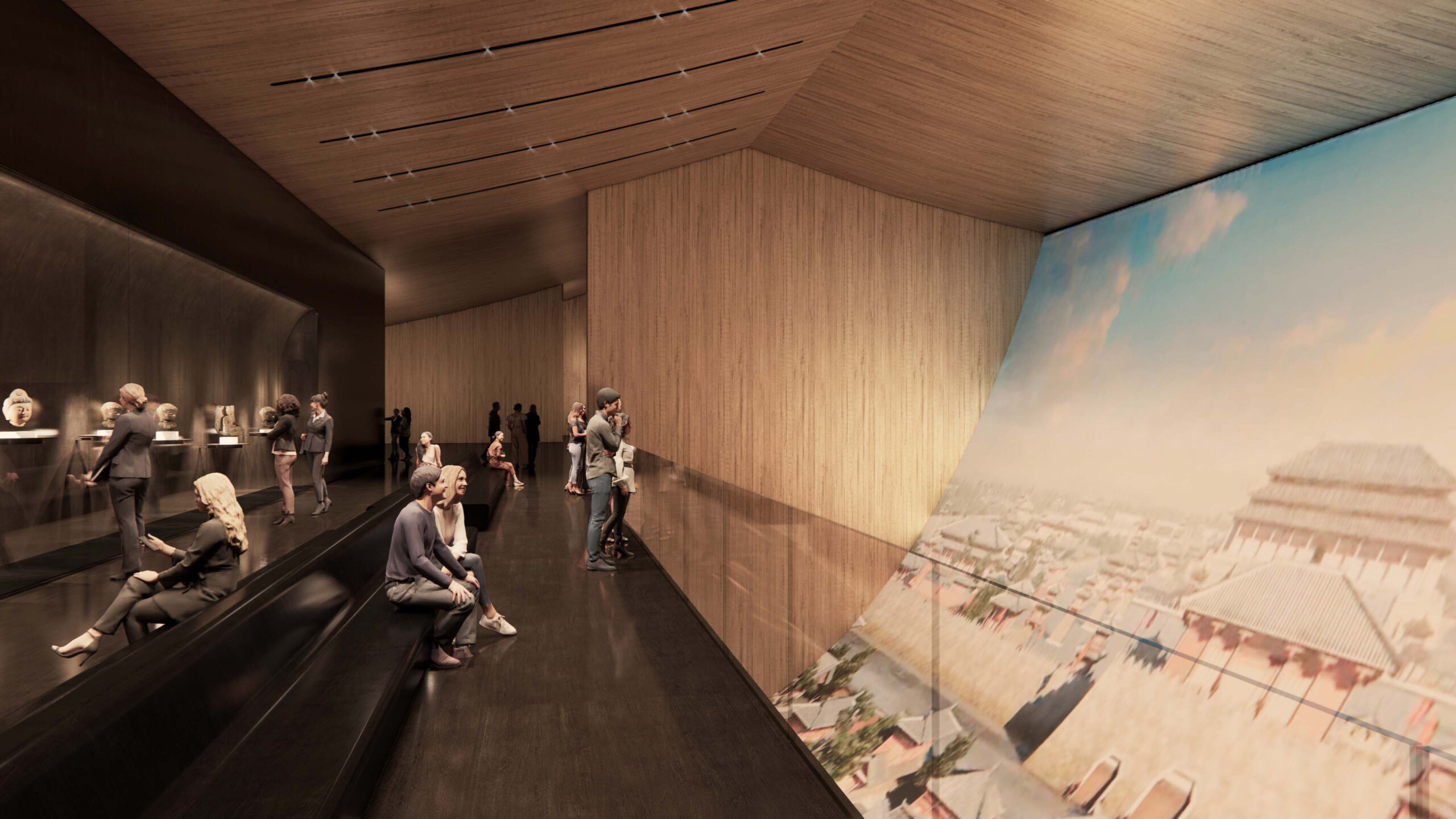
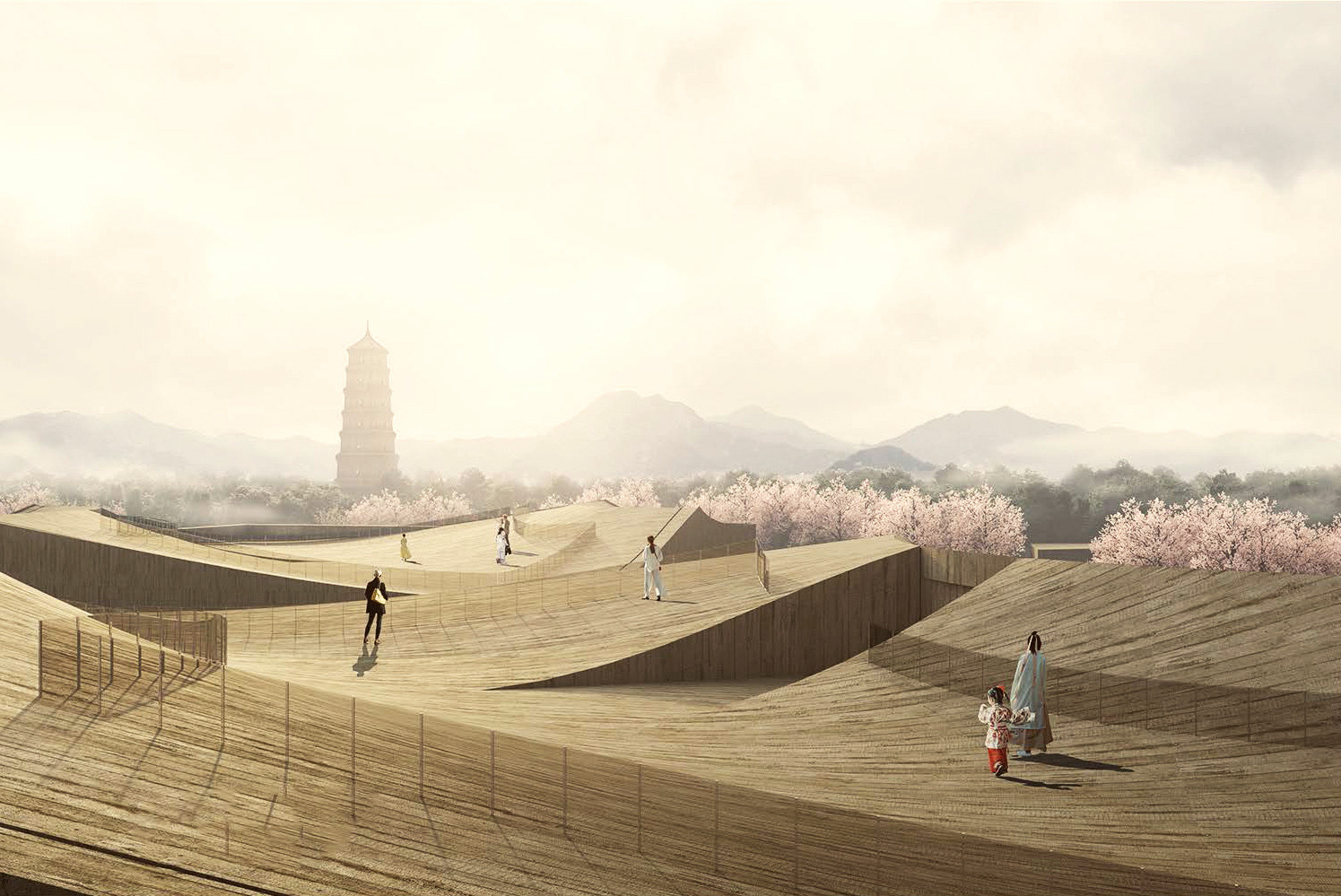
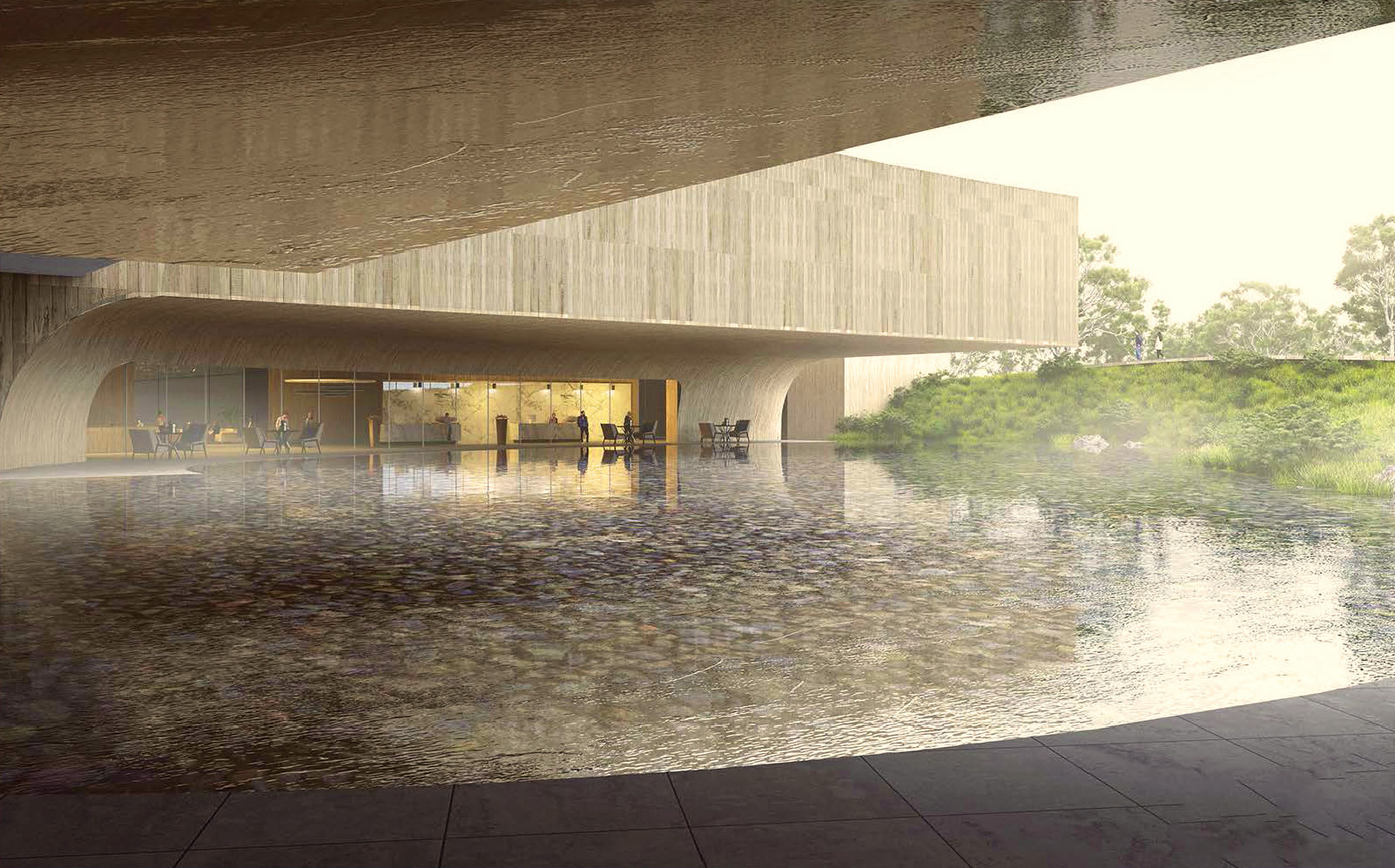
The design of the Han and Wei Luoyang City Site Museum places the architecture between earth and sky. It’s built upon history, yet emphatically forward-looking. Drawing inspiration from the urban layout, architectural forms, Chinese calligraphy, sculpture, and landscape traditions of Luoyang during the Han and Wei dynasties of Luoyang, the museum reinterprets these classical elements to create a contemporary cultural space.

Adhering to Han and Wei ancestors’ artistic spirit of shifting from formal resemblance to spiritual resemblance, the design pursues air, rhythm, form and spirit. The result eschews a singular emphasis, rather blending architecture and landscape, straight lines and curves, solid and transparent partitions.

The building’s form is both solemn and elegant with an open, flowing layout. As an international heritage museum, it offers a window into the Han and Wei dynasties to visitors from around the world.

Project Gallery

The National Museum of Korean Literature

The National Museum of Korean Literature

Design: 2021

• The National Museum of Korean Literature – Competition Honorable Mention

Nestled in the hillside of Bukhan mountain, the National Museum of Korean Literature (NMKL) overlooks the Eunpeyong New Town, an emerging cultural sector in the northwest of Seoul.

The NMKL is envisioned not only as a state-of-the-art institution dedicated to the preservation of literature, but also as a dynamic village for the exchange of culture and knowledge. Inspired by the cultural heritage of Korean literature, its design is open and democratic with collections and various programming easily accessible in two cultural store house towers. Clad in paper-like, ceramically fritted-glass sails, the arrangement evokes the soft curvature of a traditional Korean village.

Taking advantage of the sloping site, multiple public entrances and circulation points around the entire complex facilitate cultural programming throughout the day and into the evening. The larger tower with the museum gallery and specialized library consists of a series of tiered platforms and trays overlooking an expansive public atrium.

The open amphitheater provides a flexible venue for exhibitions and public performances such as hyangga, mask plays, puppet shows, and p’ansori. The smaller tower features a reading room and preservation studios, as well as protected access to rare collections. Meanwhile, a restaurant with an outdoor performance space overlooking Gijachon Par connects the two towers.

Project Gallery

Cosmopolis #1.5

Cosmopolis #1.5

Design: 2018
Construction: 2018

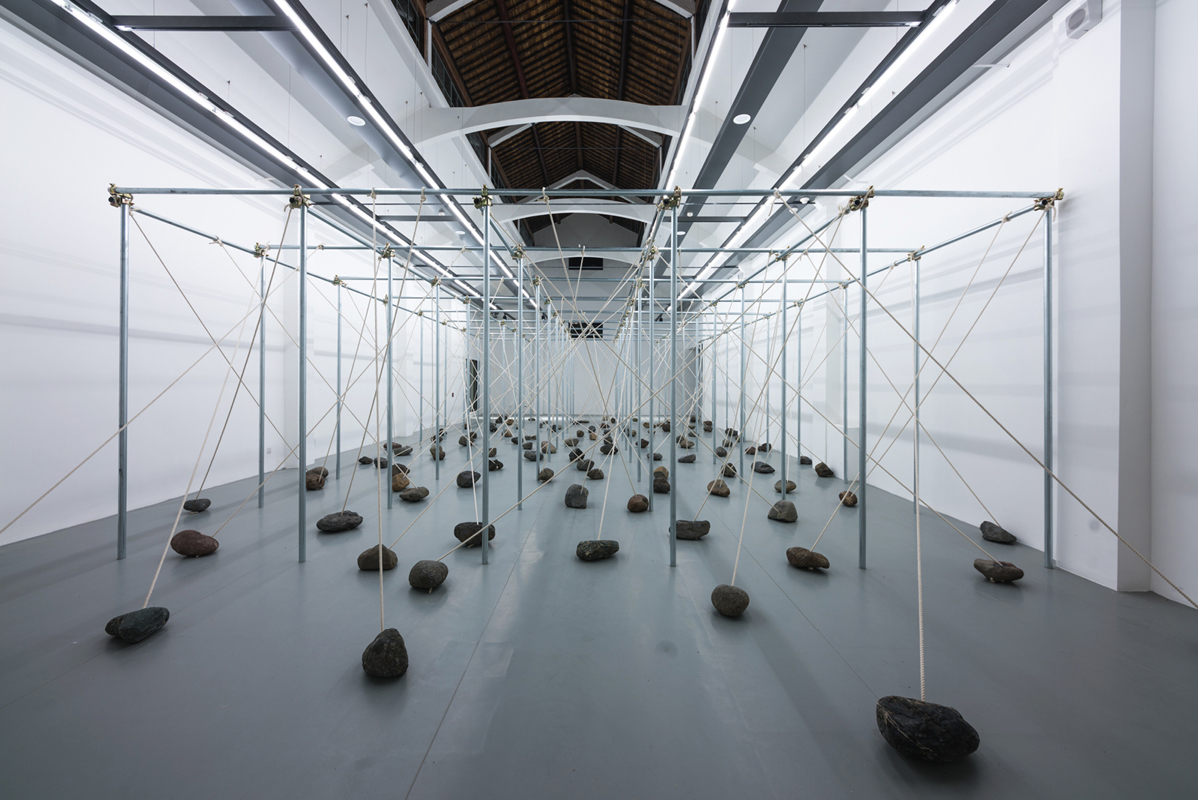
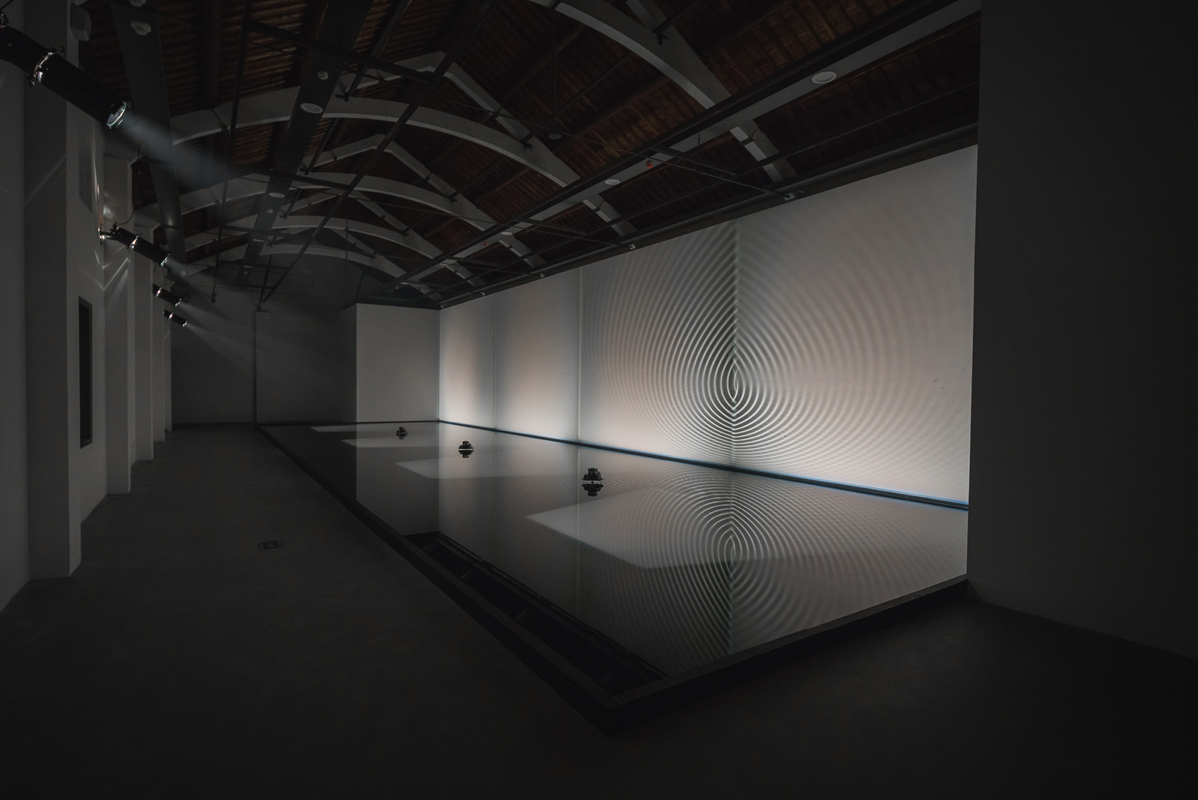
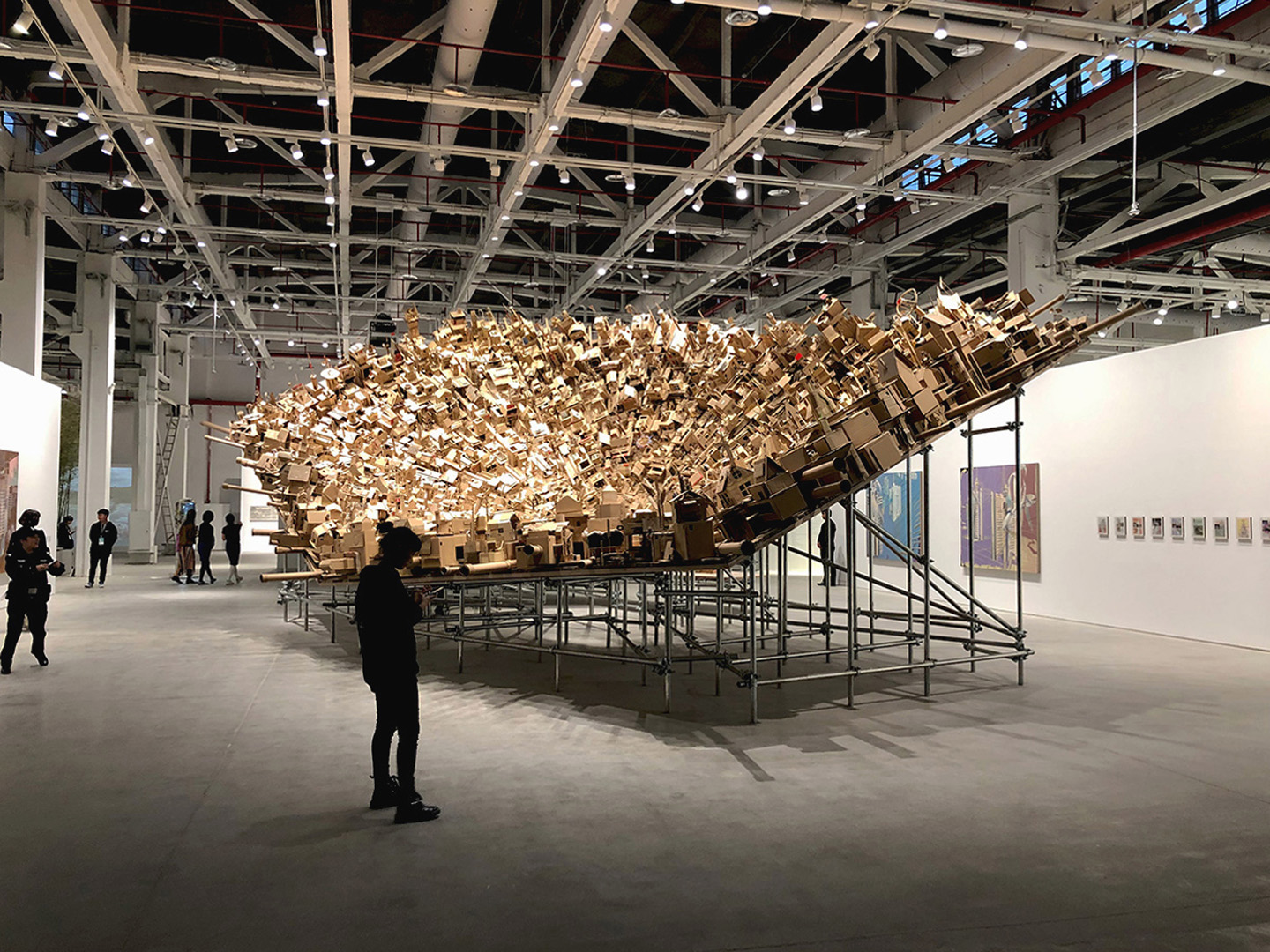
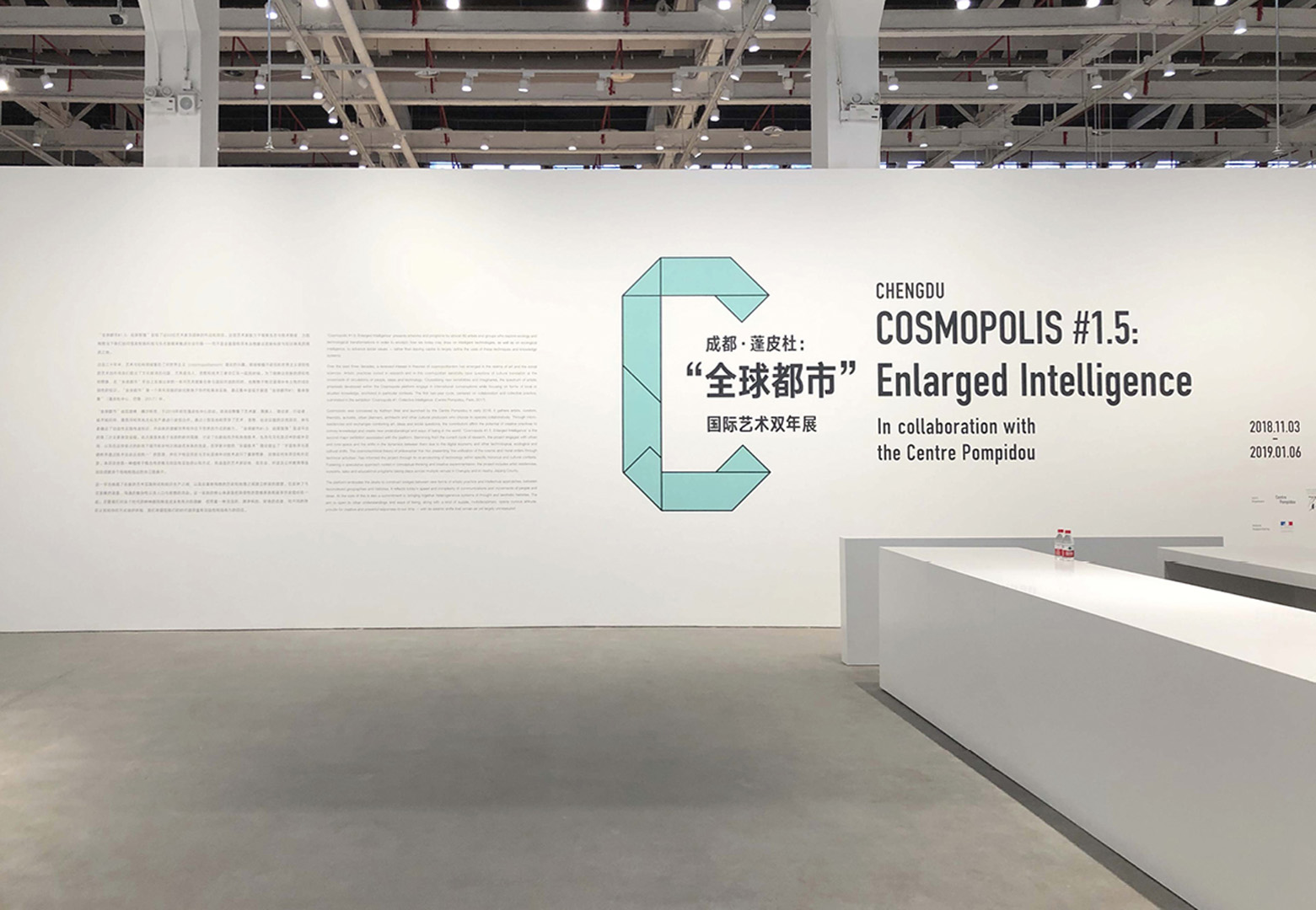
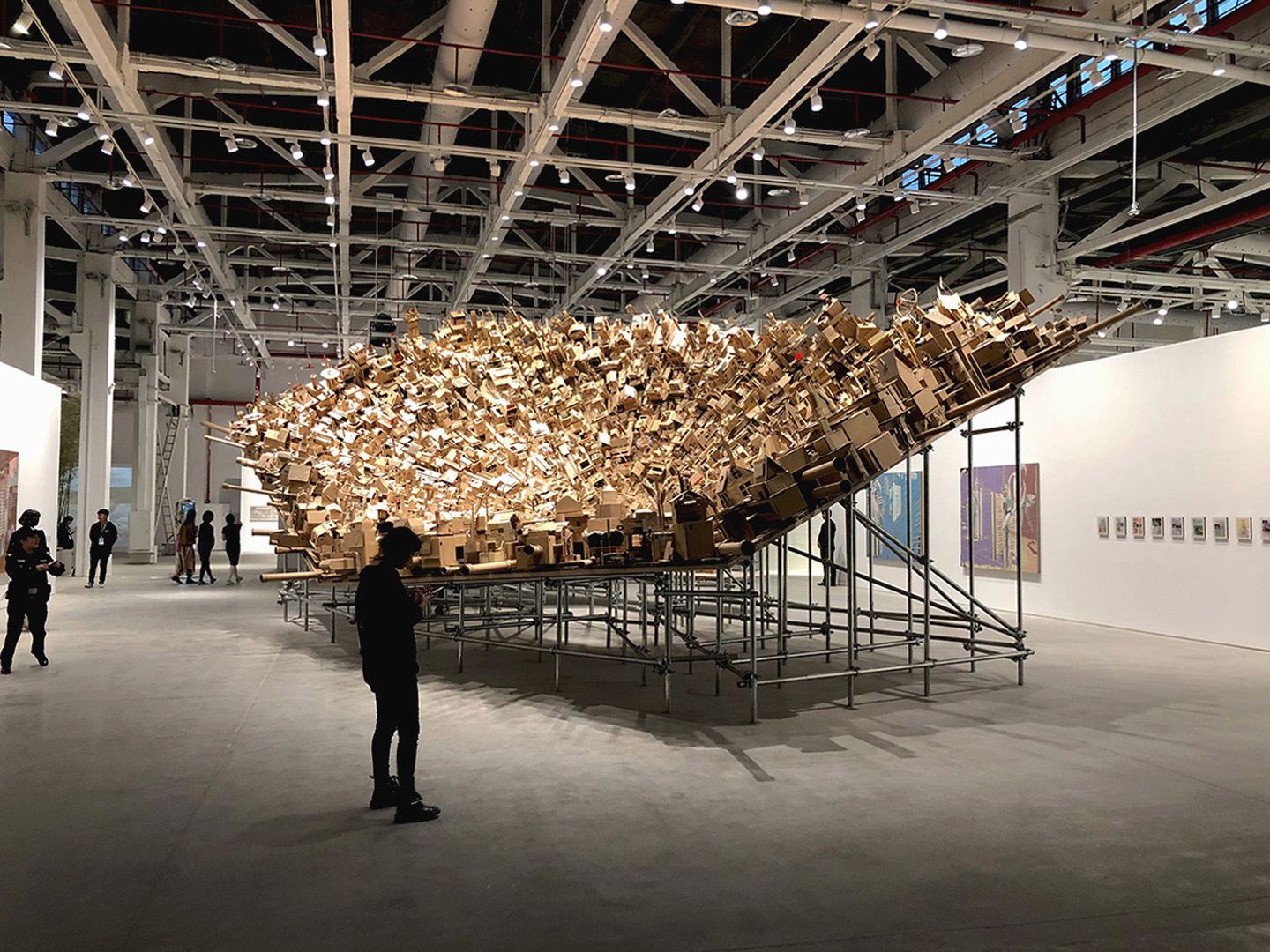
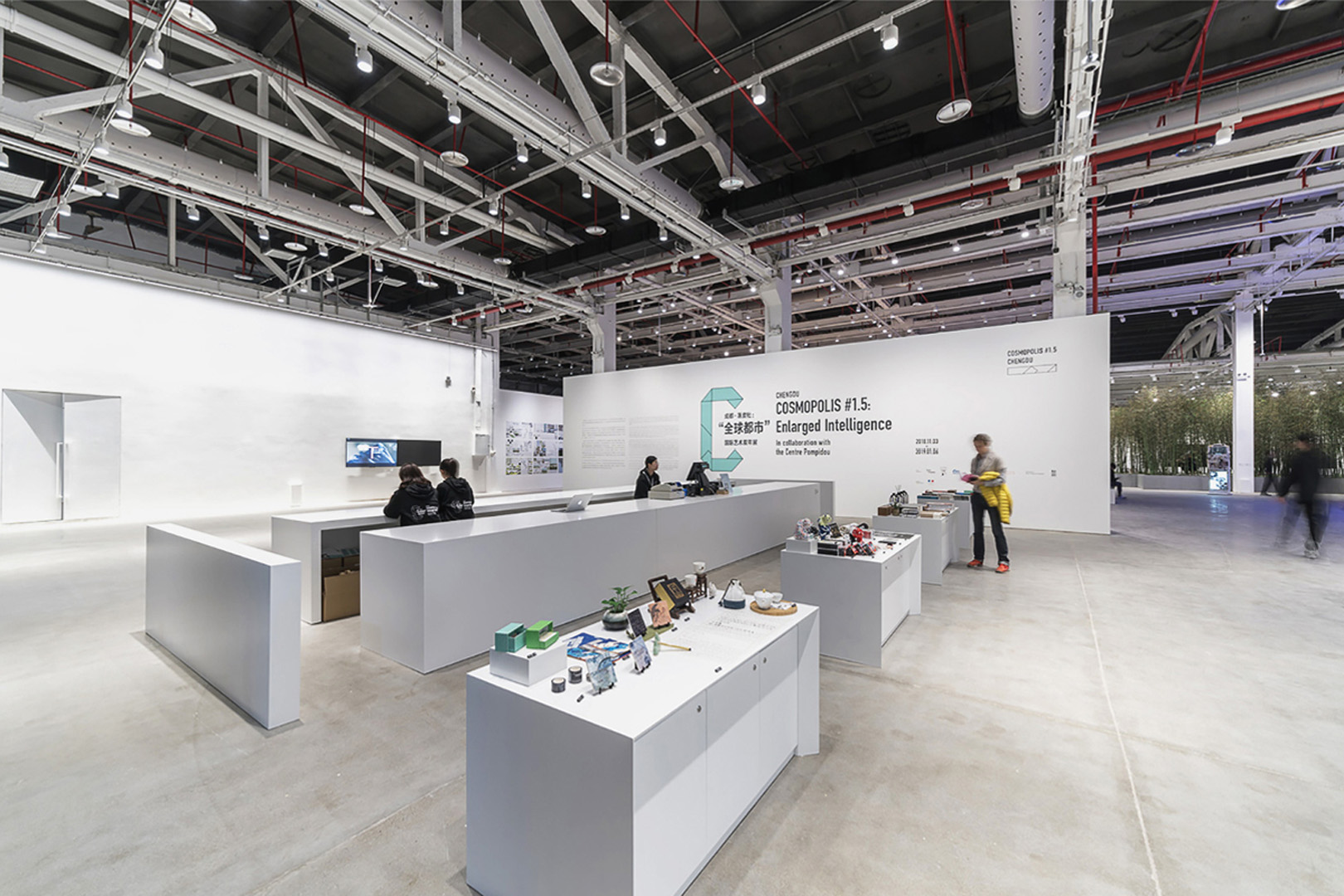
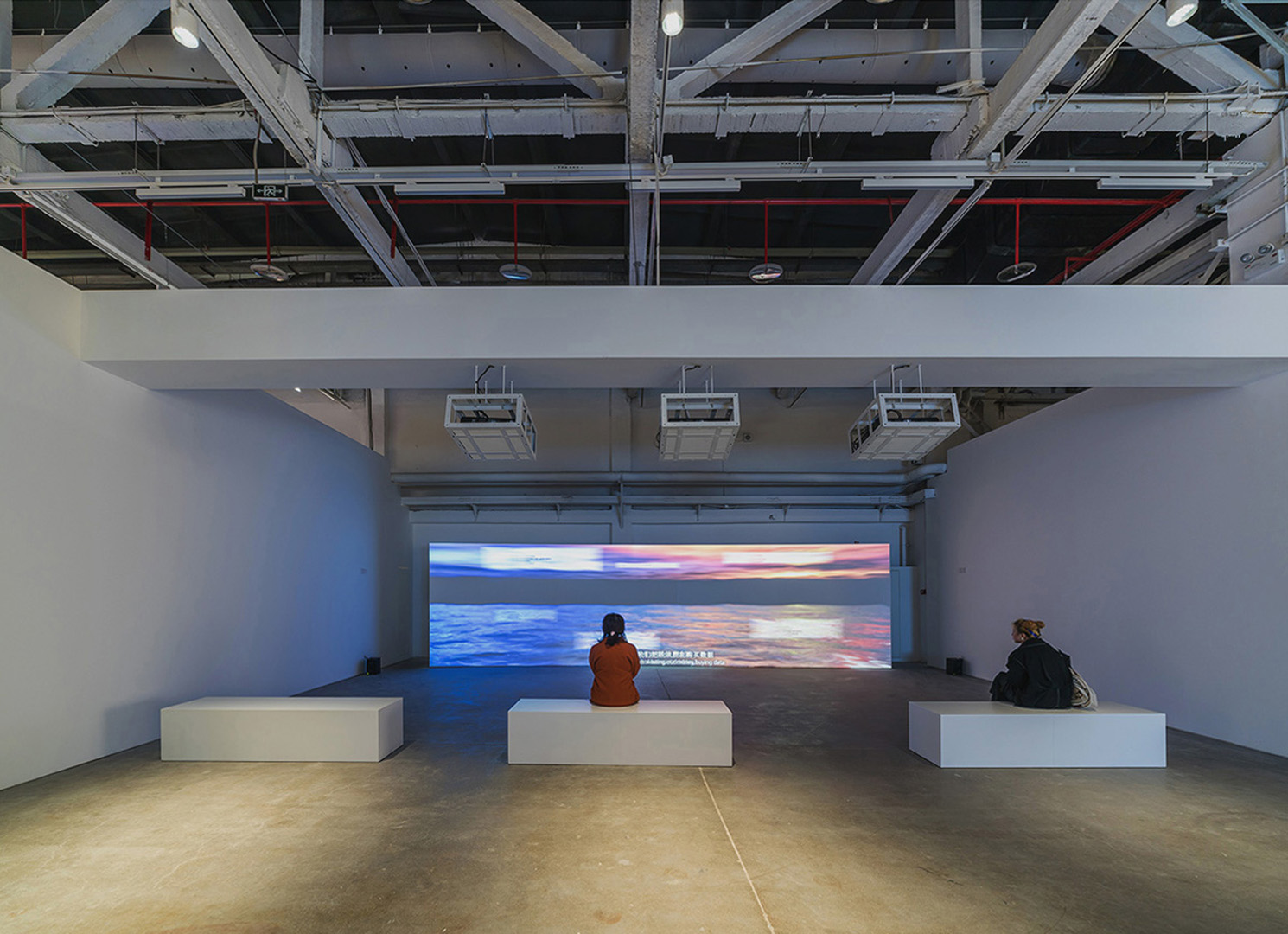
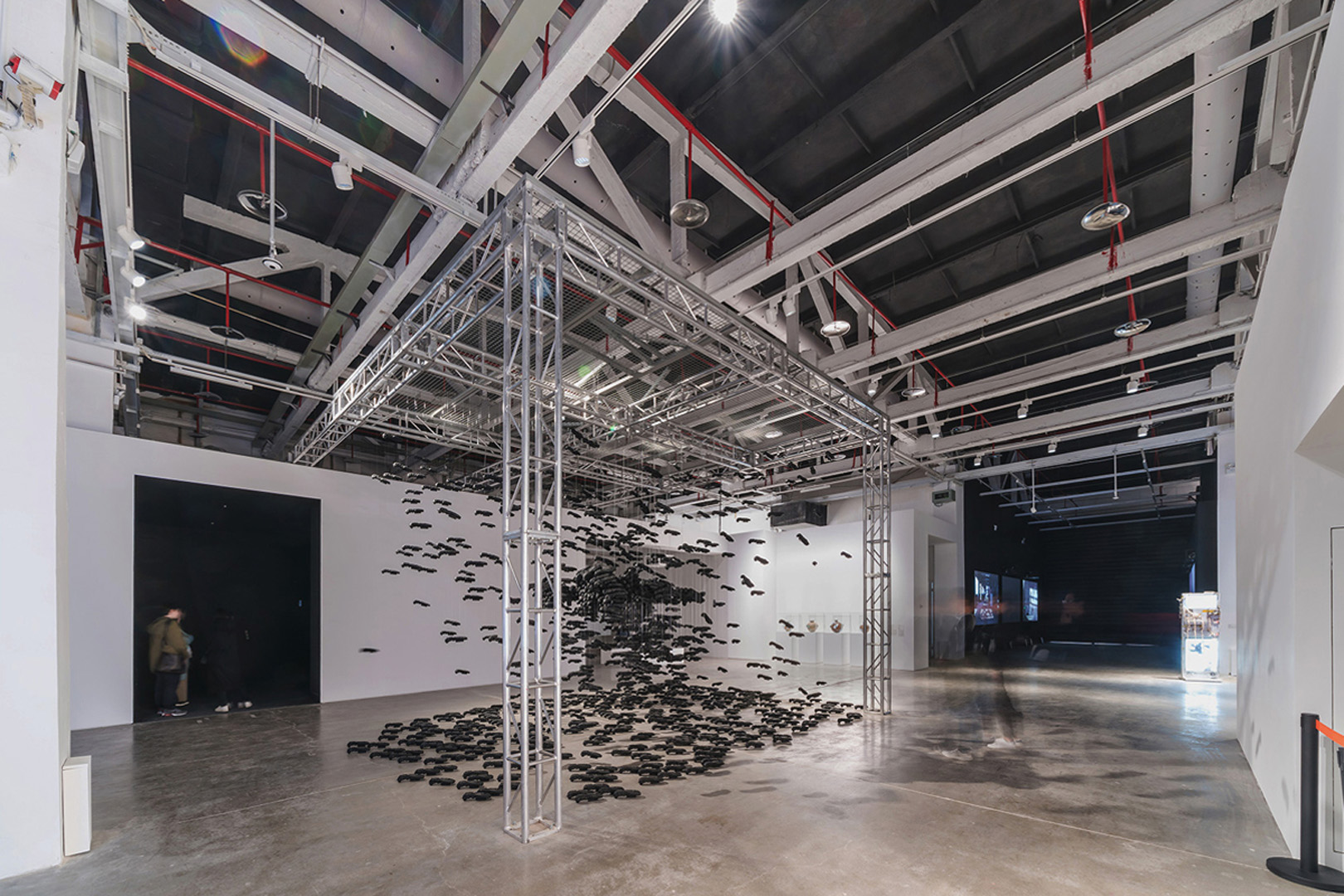
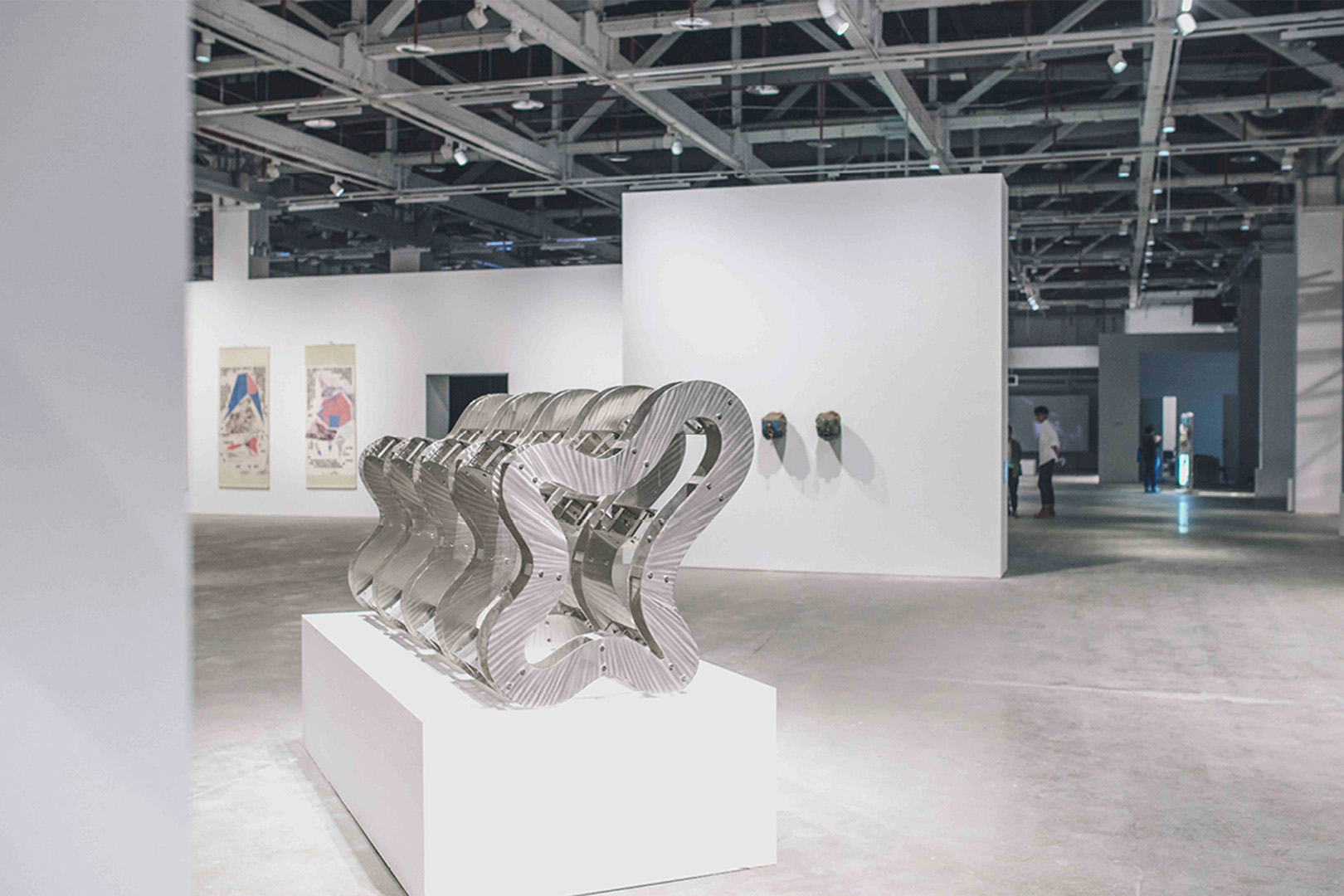
Launched by the Centre Pompidou, Cosmopolis is a biennial platform devoted to artistic practices rooted in cultural translation and ideas of cosmopolitanism. “Enlarged Intelligence,” the platform’s second major exhibition, and its first outside of France, is housed in a former electronics warehouse in Chengdu, China. The exhibition explores the ways in which intelligent technologies induce cultural transformation.
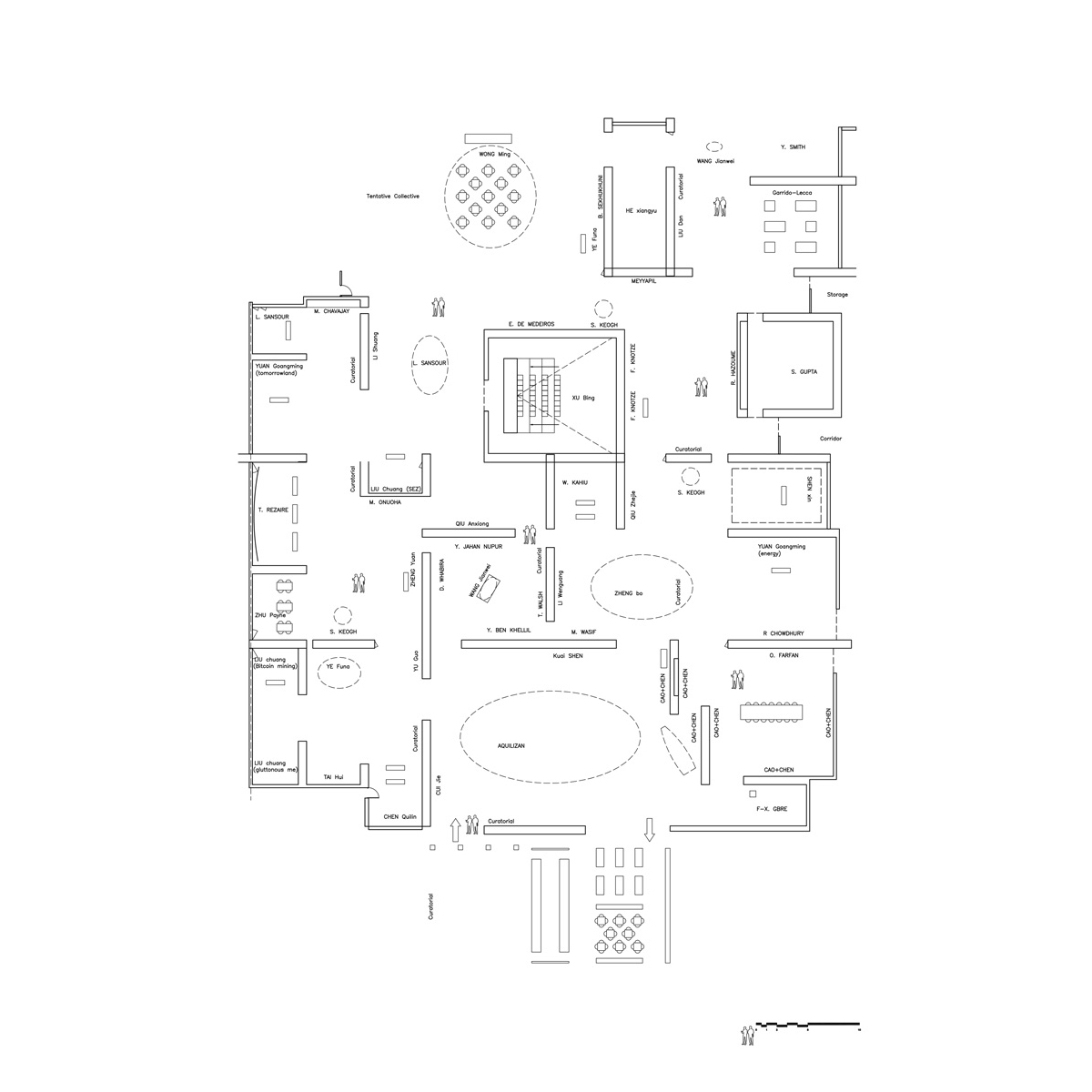
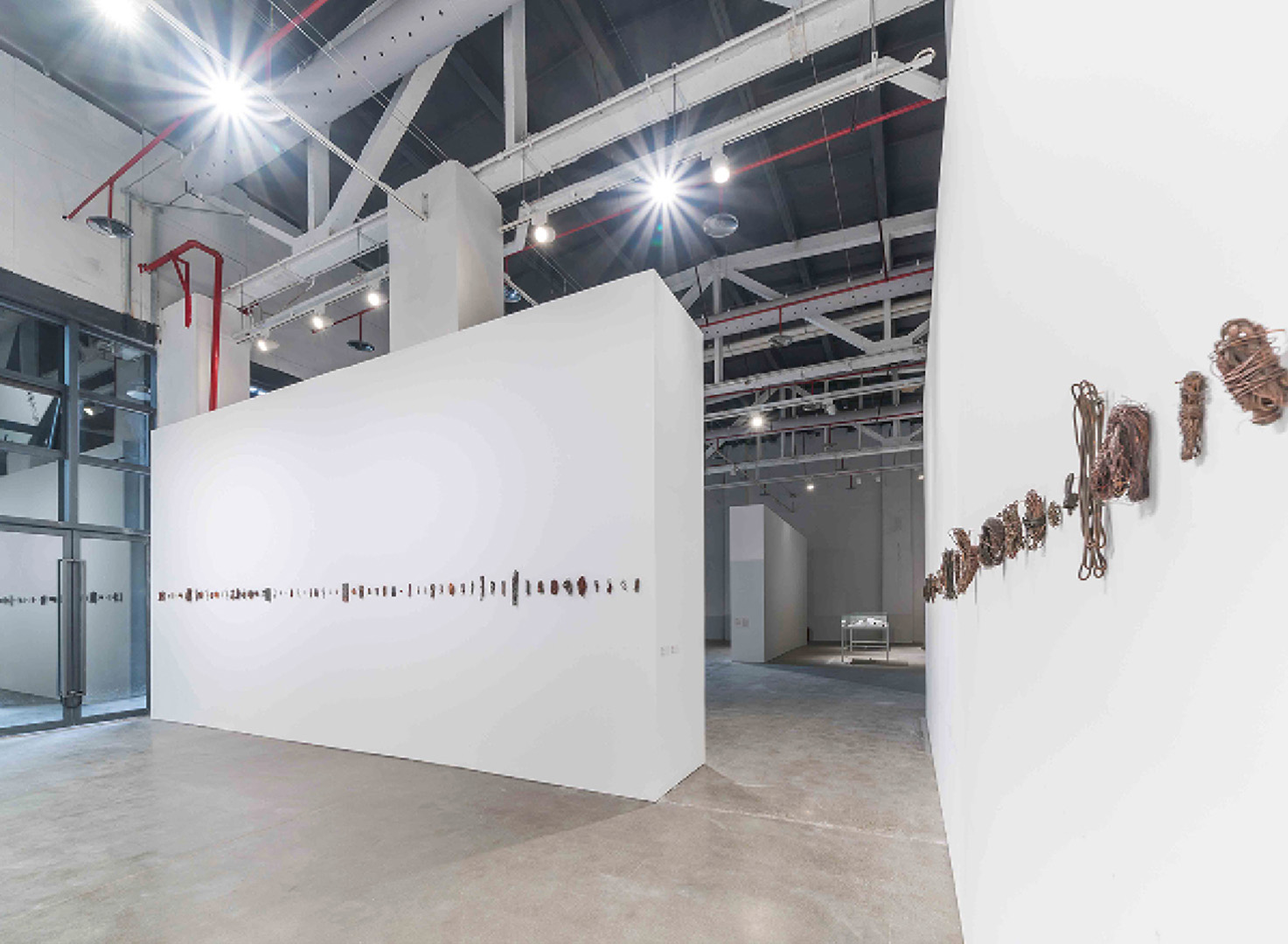
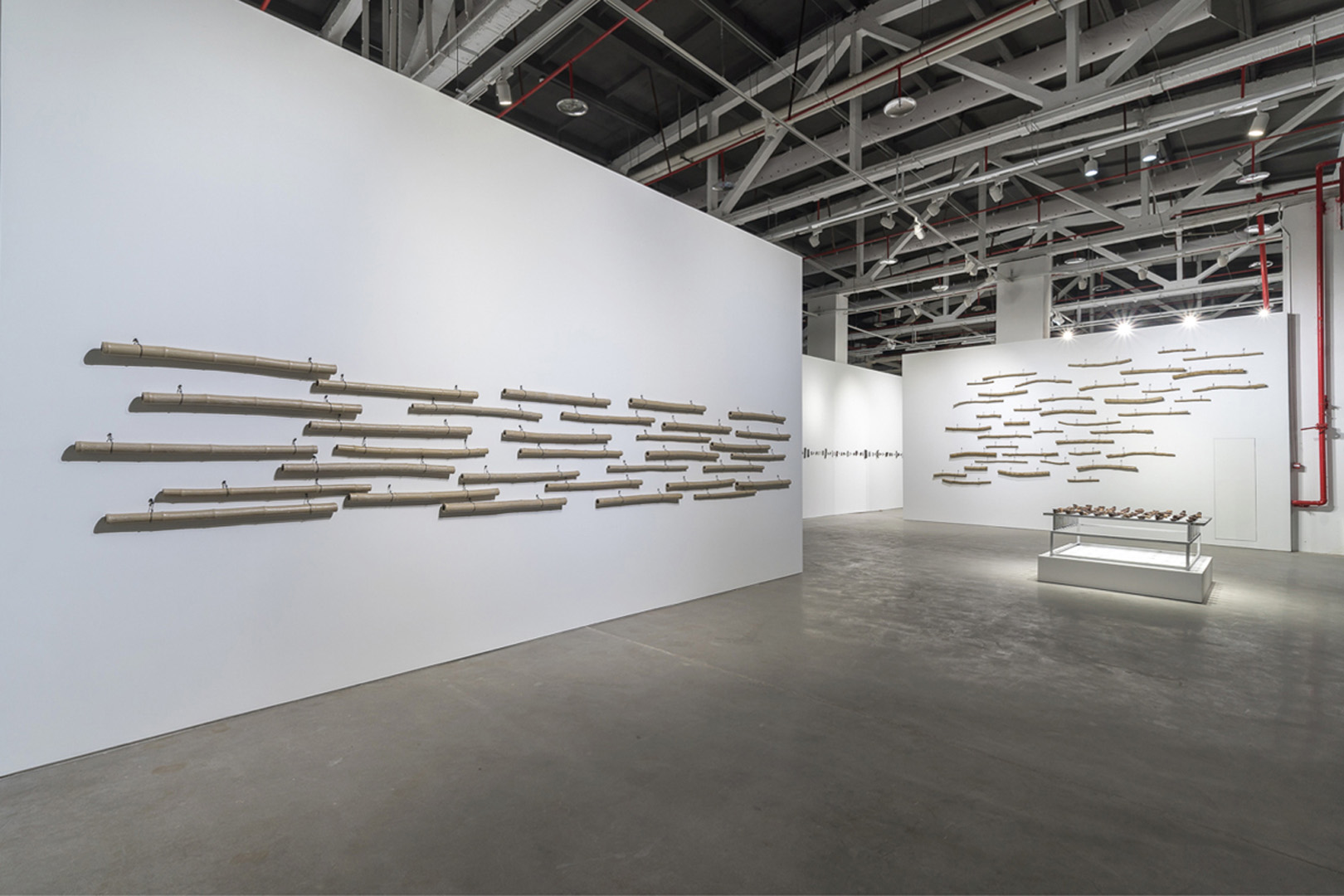
OLI conceptualized the exhibition design as a seemingly endless open space that holds a constellation of works by 60 living artists from over 20 countries. Interactive environments and installations commissioned by the Centre Pompidou appear alongside various research-based artworks. The result is an endless combination of unique visitor pathways that encourage dialogue and the exchange of ideas, inviting visitors to reconsider the meaning of cosmopolitan values in a rapidly changing world.

Project Gallery

BSM Service Center

BSM Service Center

Design: 2020-Ongoing
Construction: 2022-Ongoing

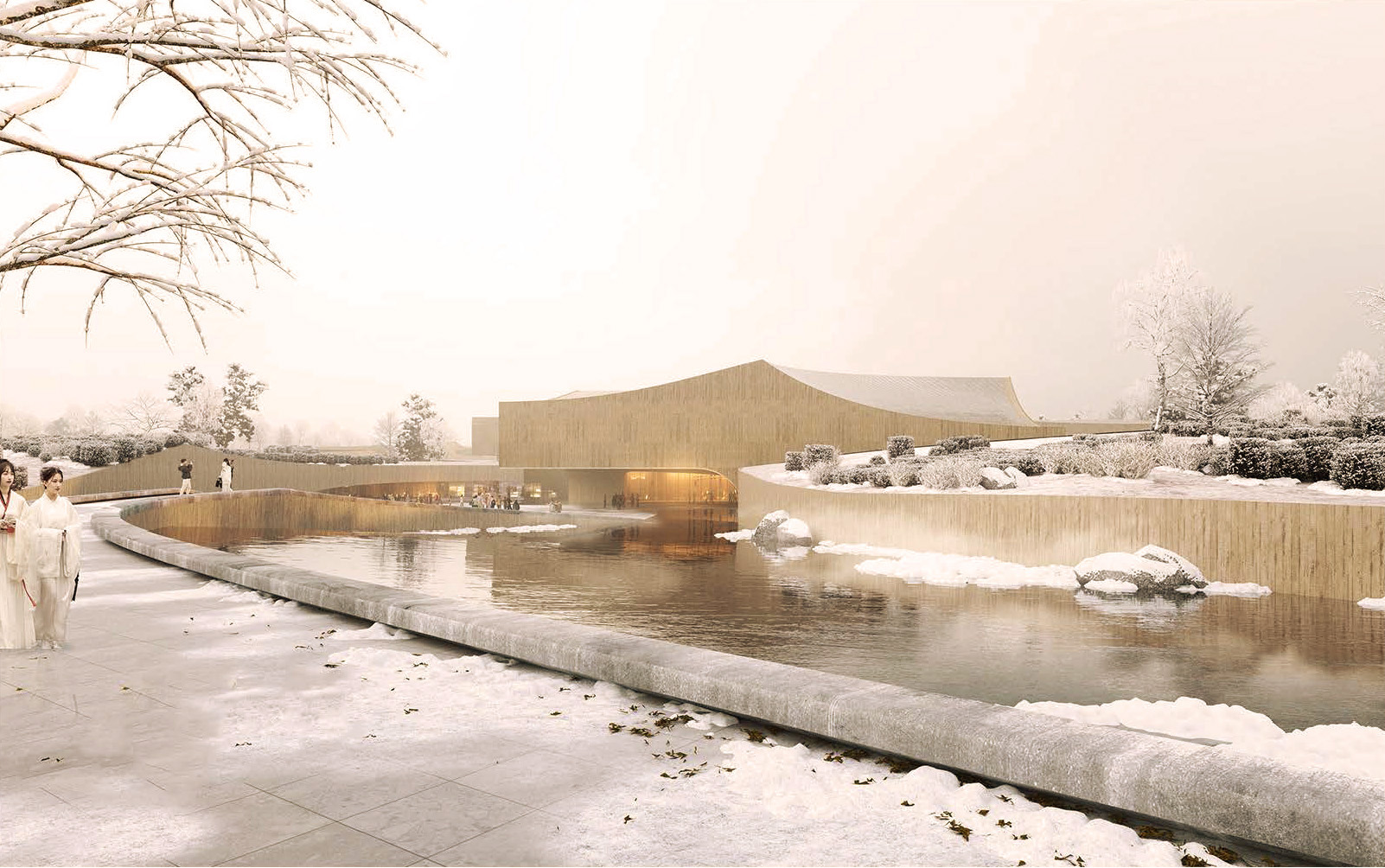
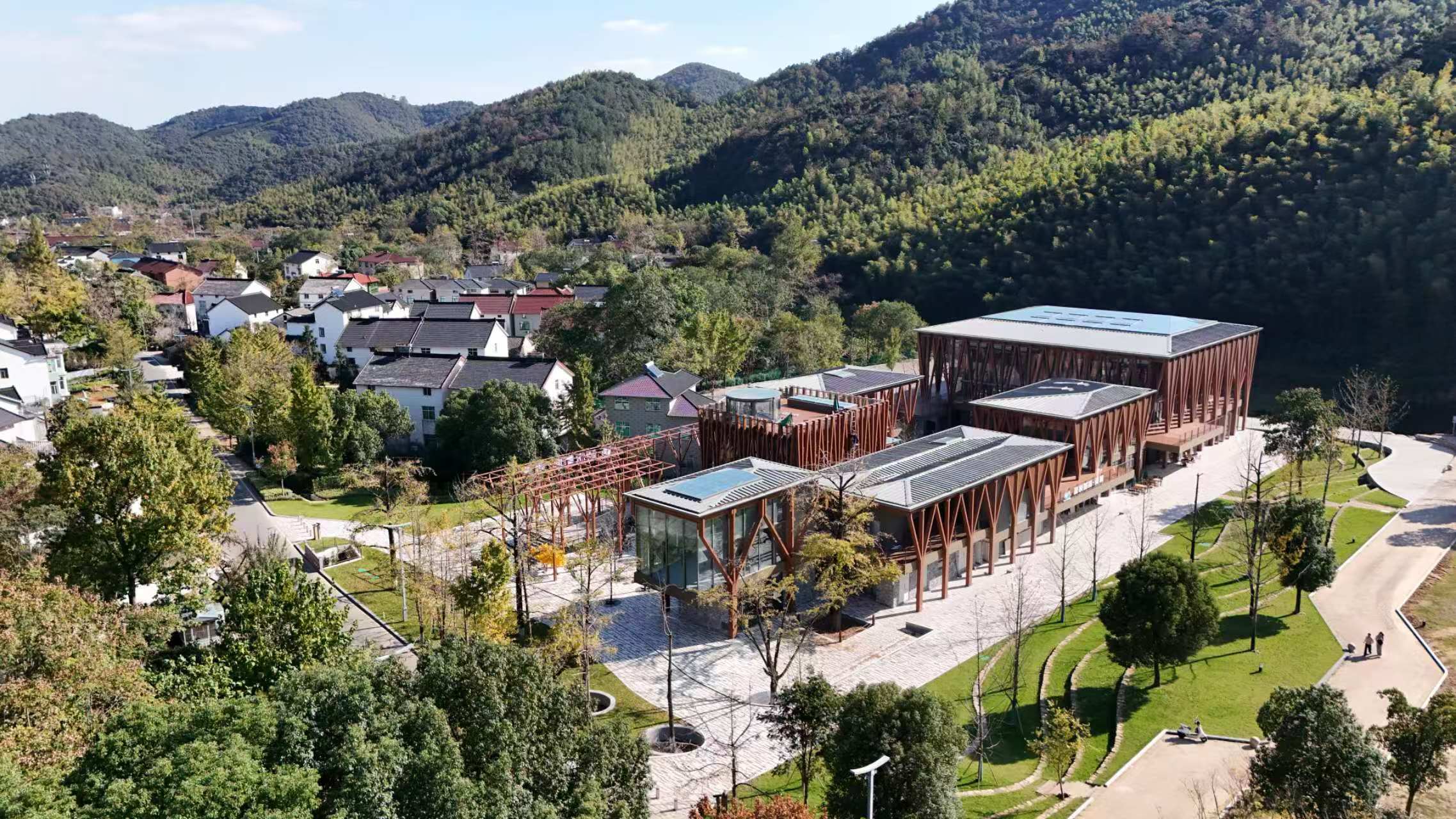
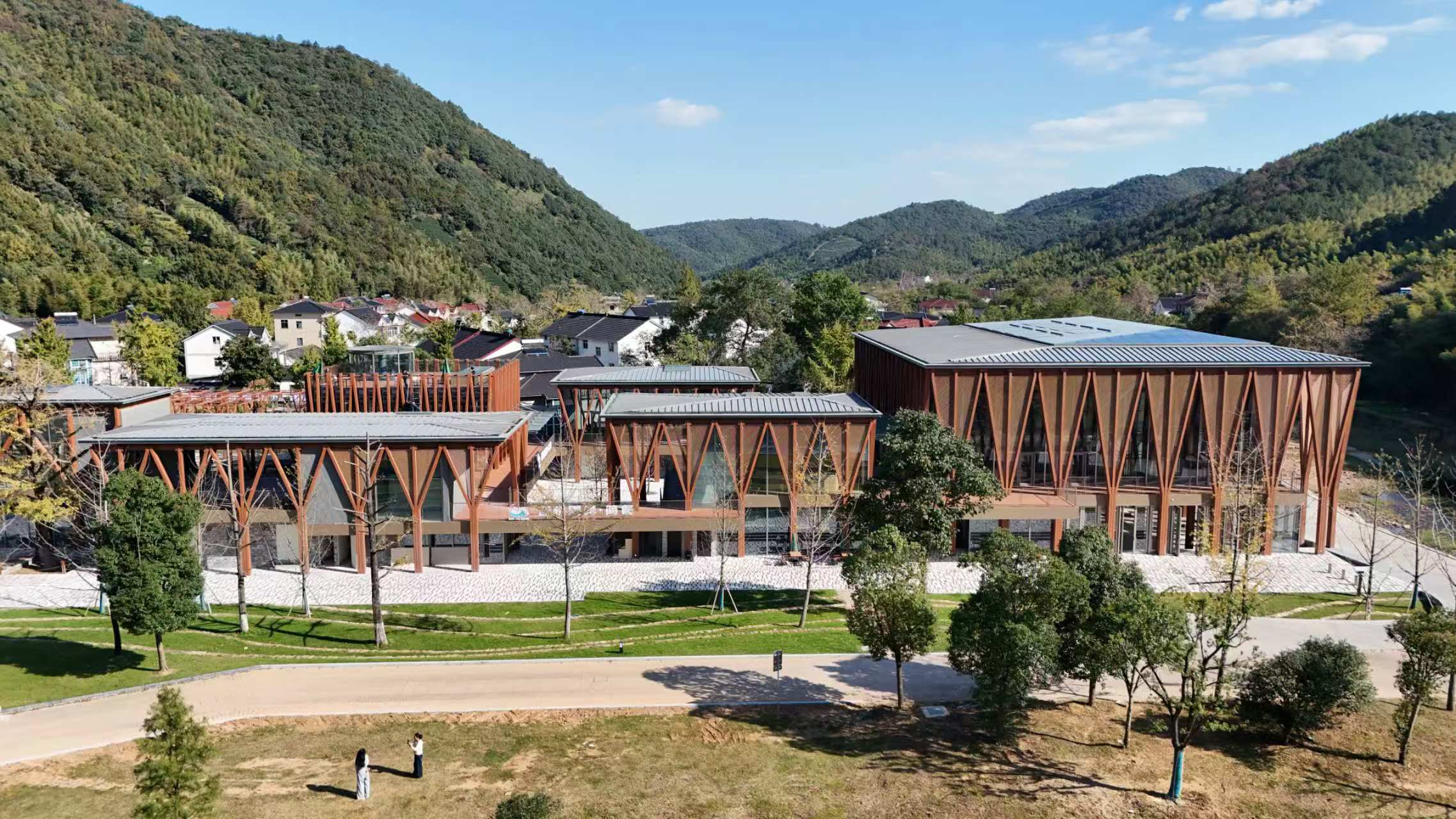
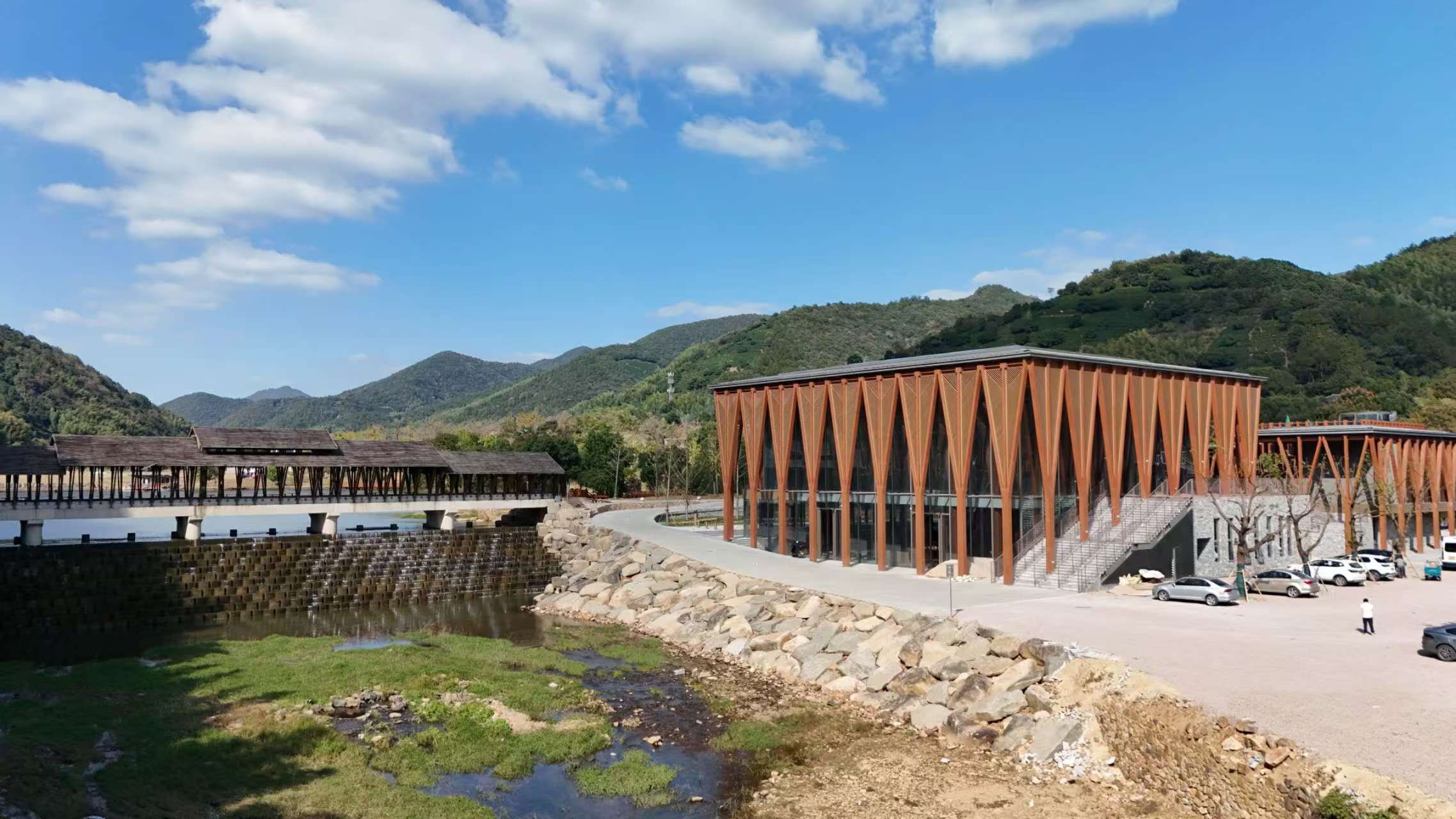
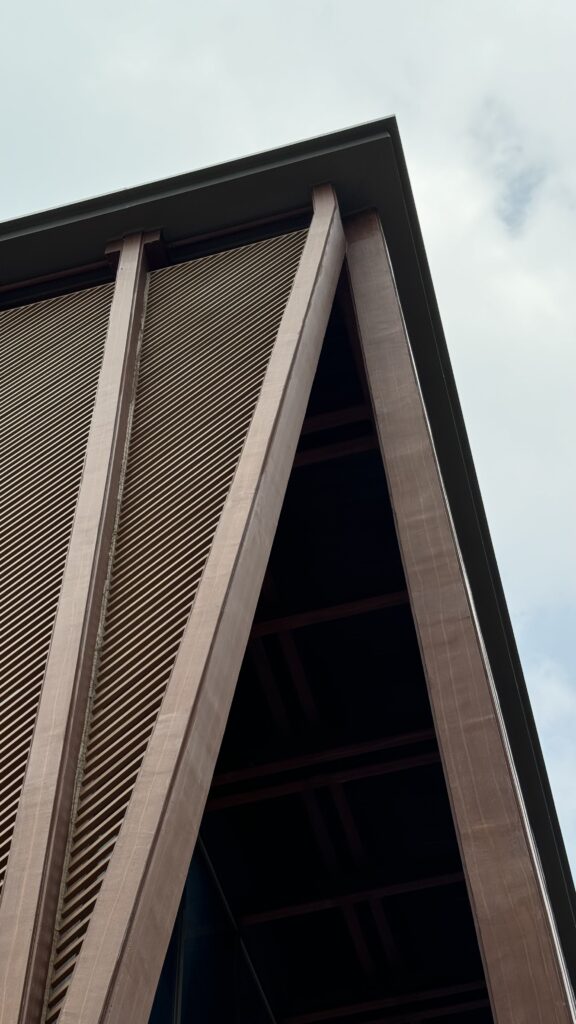
Changxing County Xiaopu Town Smart Village Management Service Center is located in the scenic area of Baduqian, Xiaopu Town, Changxing County. It will serve four natural villages, namely, Dajiakou, Panlinan, Fangyan and Fangyi. The building of the service center is located on the shore of Badu Weir. Like a floating village among ginkgo trees, it will provide services to the villagers, and will also become a new landmark and attraction in the Badu Qin scenic area.

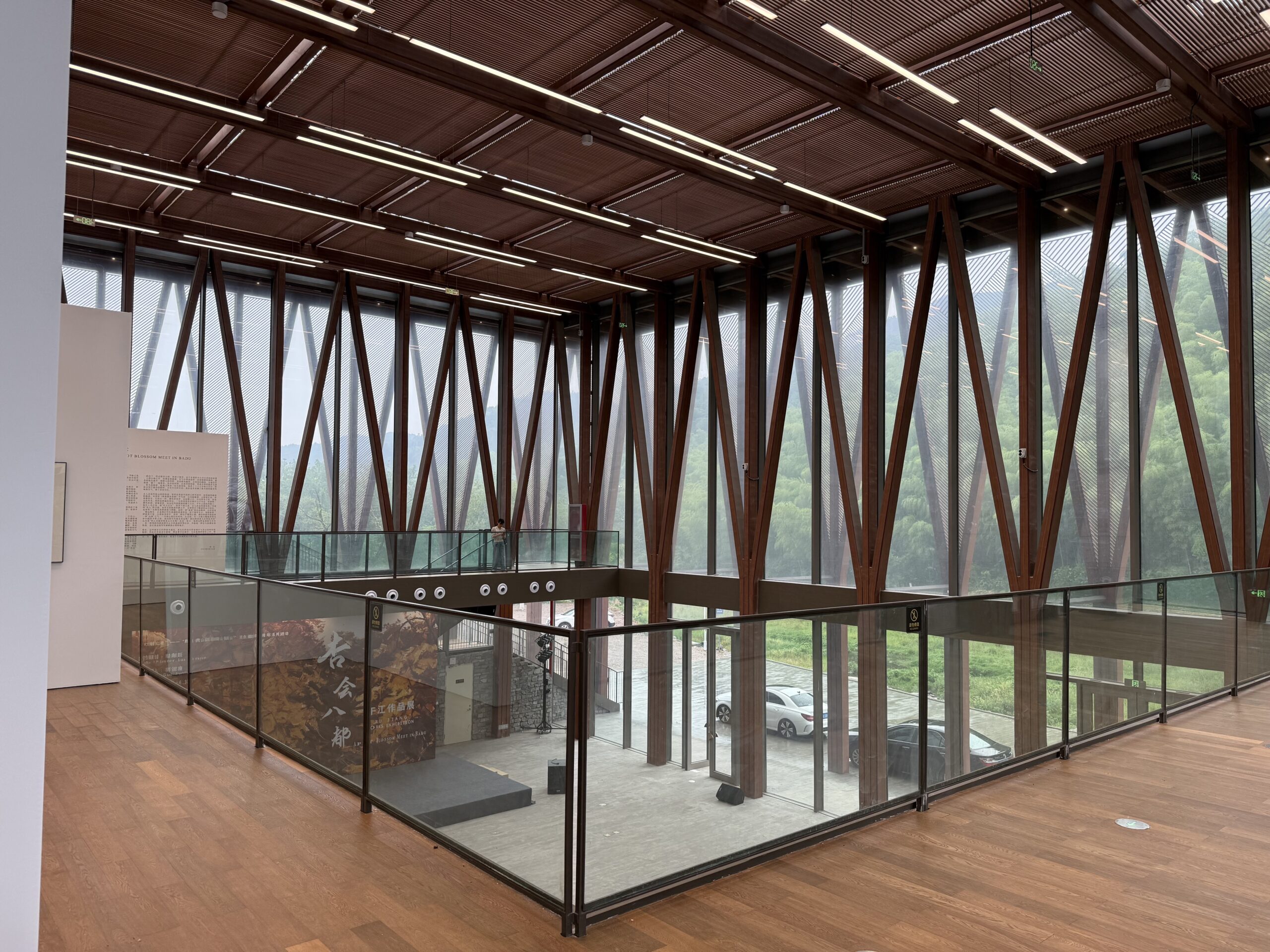
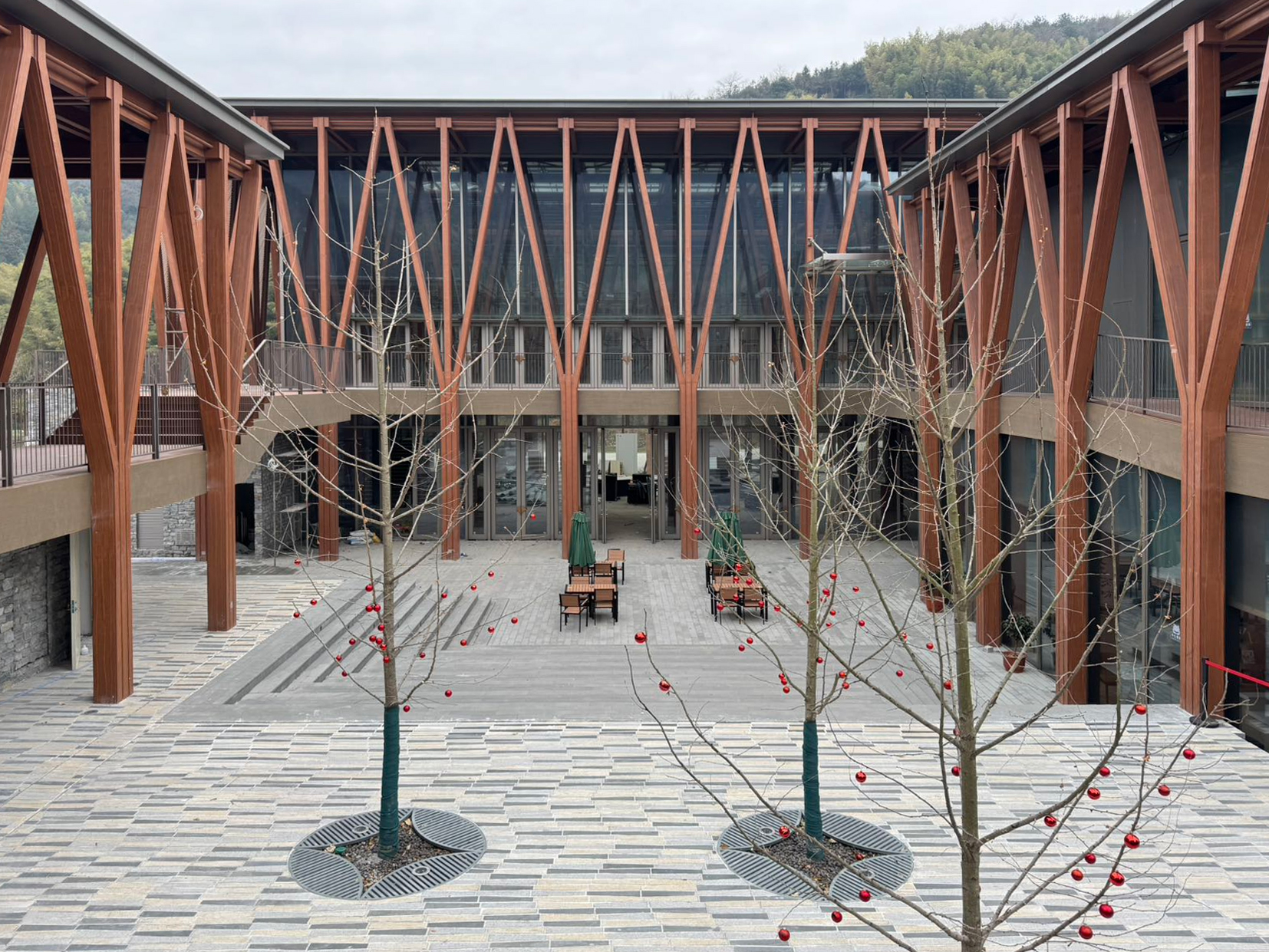
The architectural design concept of the service center originates from the beautiful and spectacular ancient ginkgoes in the Baduyan Scenic Area. The central building consists of tall wooden pillars shaped like the trunk of a ginkgo tree, connected by a platform and a roof. The center consists of a cluster of buildings with different functions, connected by a network of columns and lifted up to ensure an unobstructed view of the surrounding water and trees. The buildings with different functions are connected by yellow platforms, among which there are small ginkgo gardens, sun corridors and communication spaces. The roof, supported by wooden columns, is made of polycarbonate, and the ceiling is made of colored wooden strips, where the sunlight is dispersed and shines softly on the ground, as if it were a crystal clear ginkgo tree in autumn.
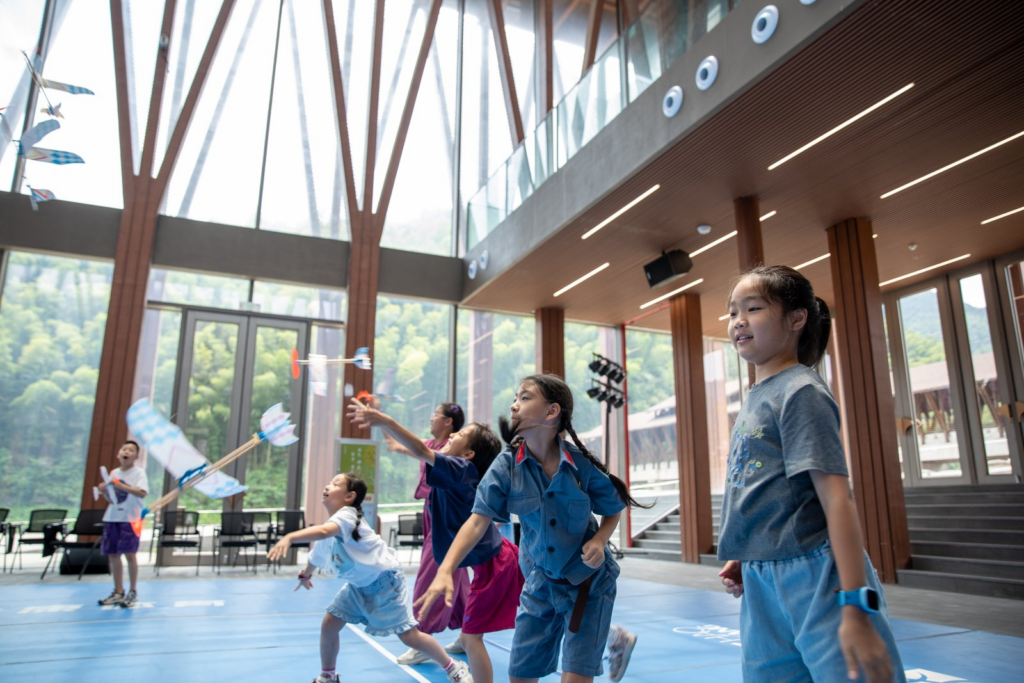
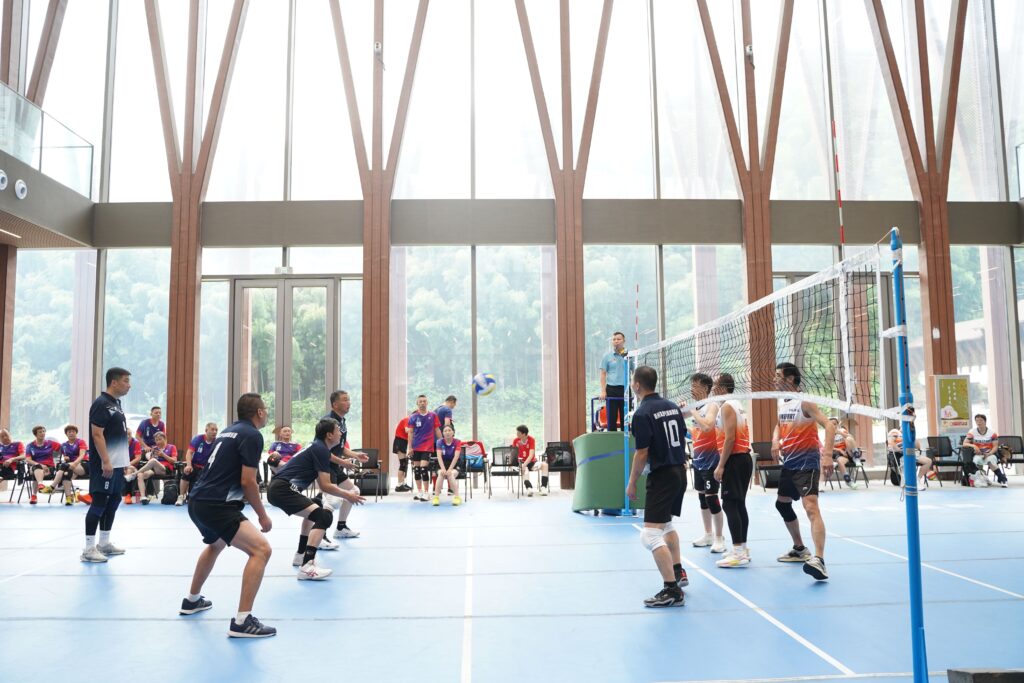
The largest space is the multi-functional hall, which can hold large wedding banquets of 450 people. The perimeter of the banquet hall is slightly stepped, and the space can be divided or combined to hold events of different scales.
The design will use old wood as much as possible to increase the sustainability of the project and to echo the surrounding ginkgo trees and the old timber frame house. Some structures can be prefabricated and assembled on-site to speed up construction. Wooden structures will also bring a comfortable sense of nature and warmth to people, moving their heart and reducing their stress.
The Smart Village Management Service Center in Xiaopu Town will be an environmentally friendly, comfortable, natural and people-oriented center for villagers and will receive guests from all over the world around the clock, becoming an important landmark attraction in the Badujiao scenic area.

Project Gallery

Guanghui Museum

Guanghui Museum

Design: 2016-2018
Construction: 2022

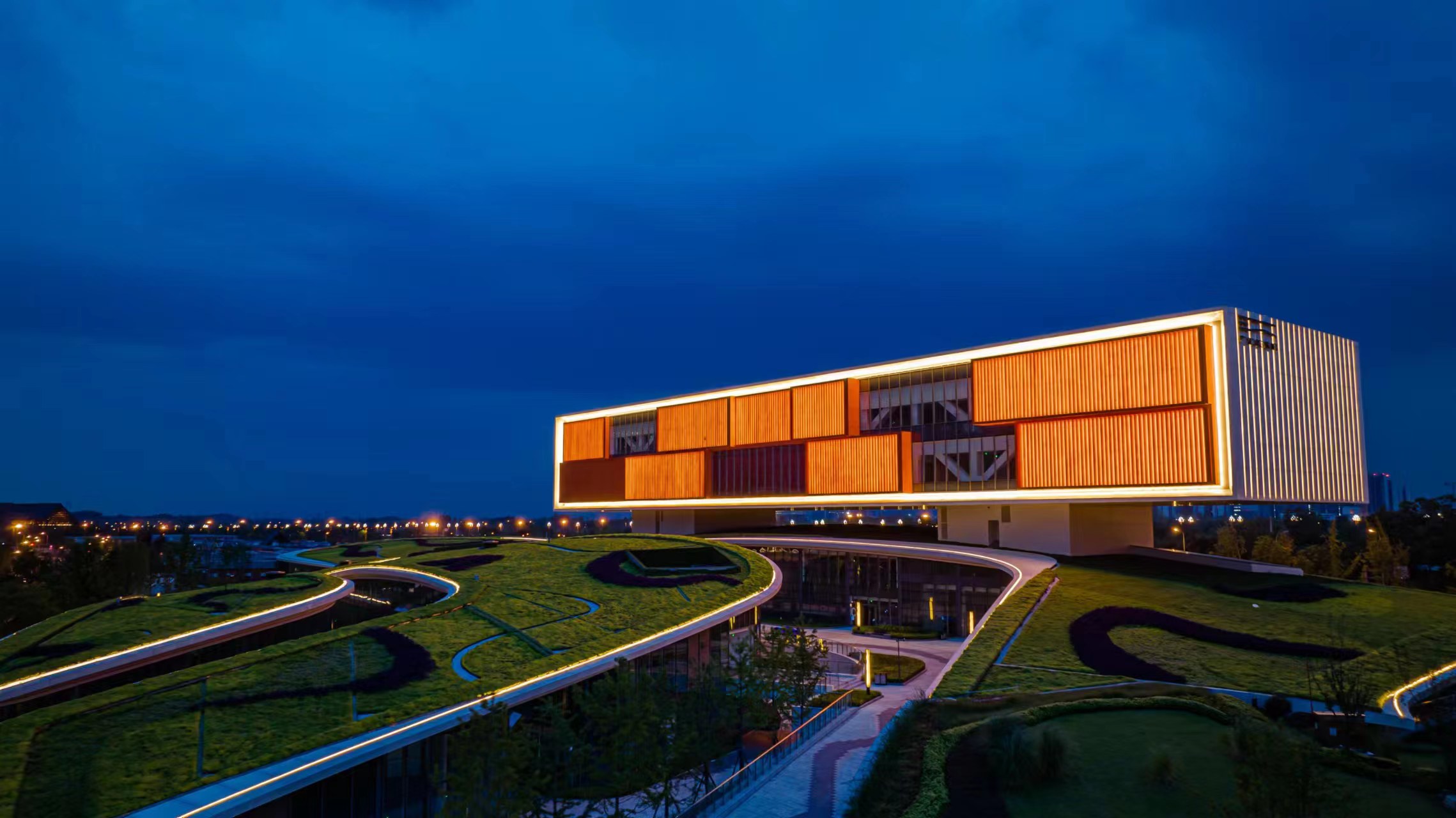
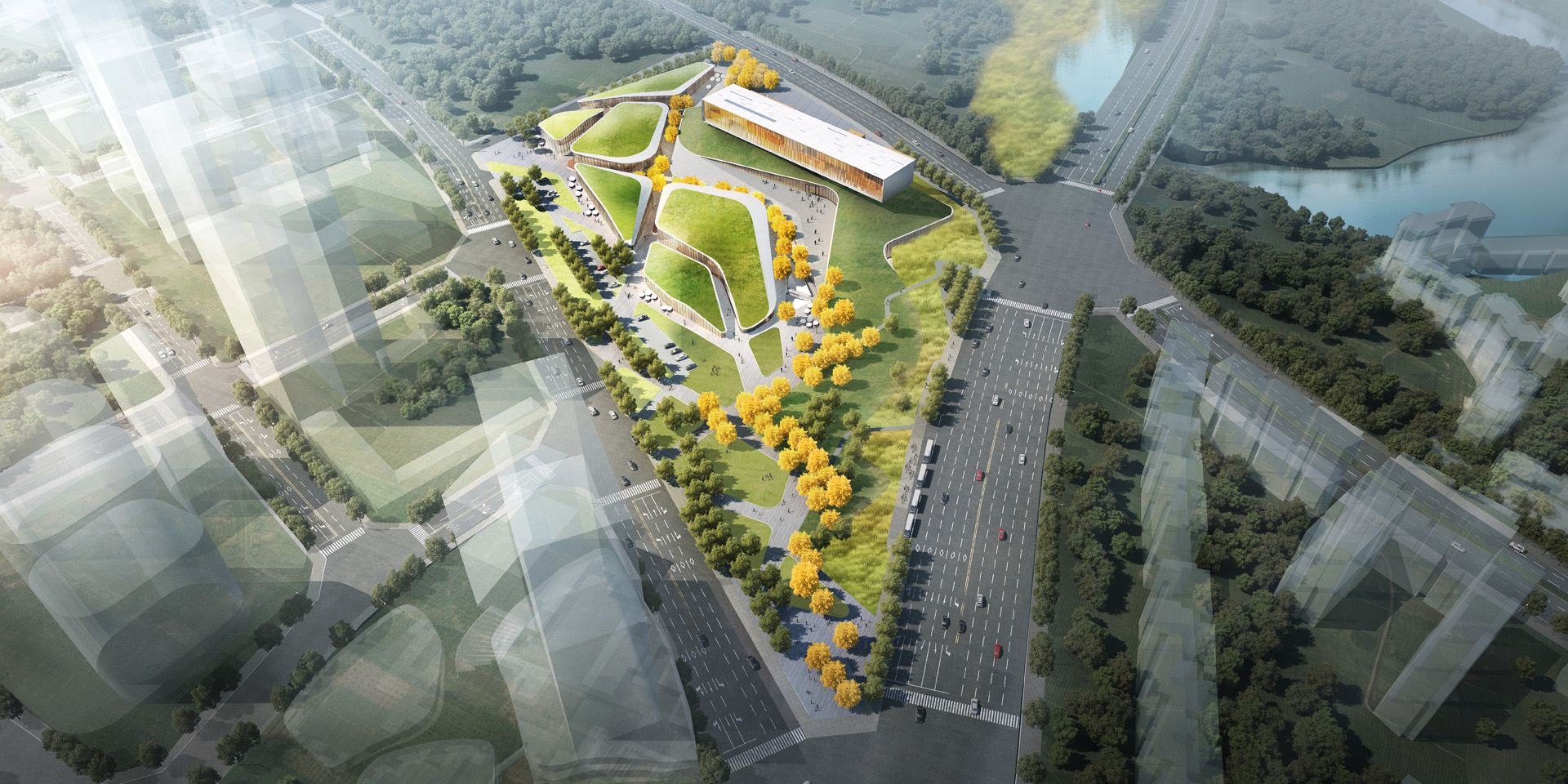
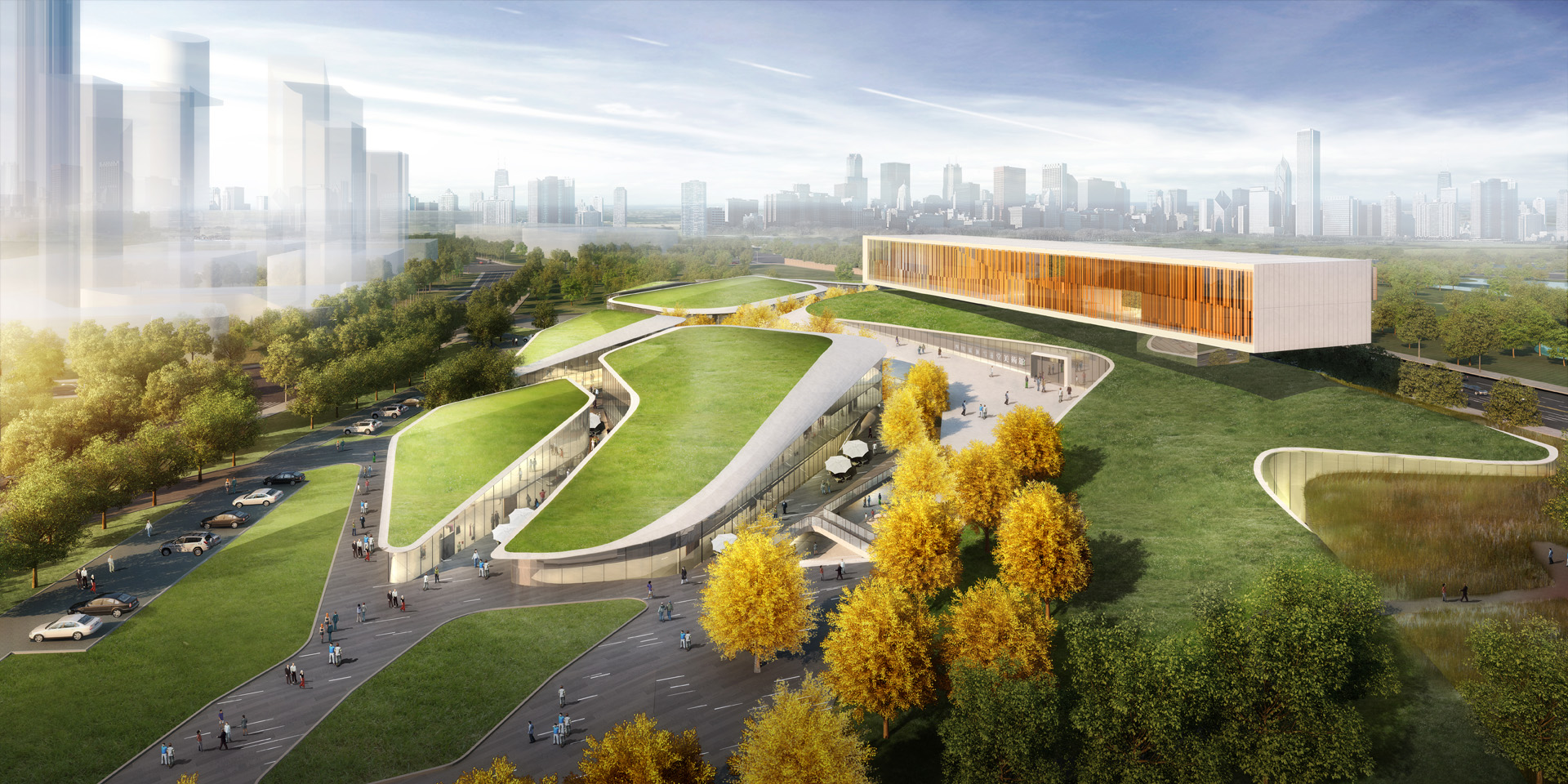
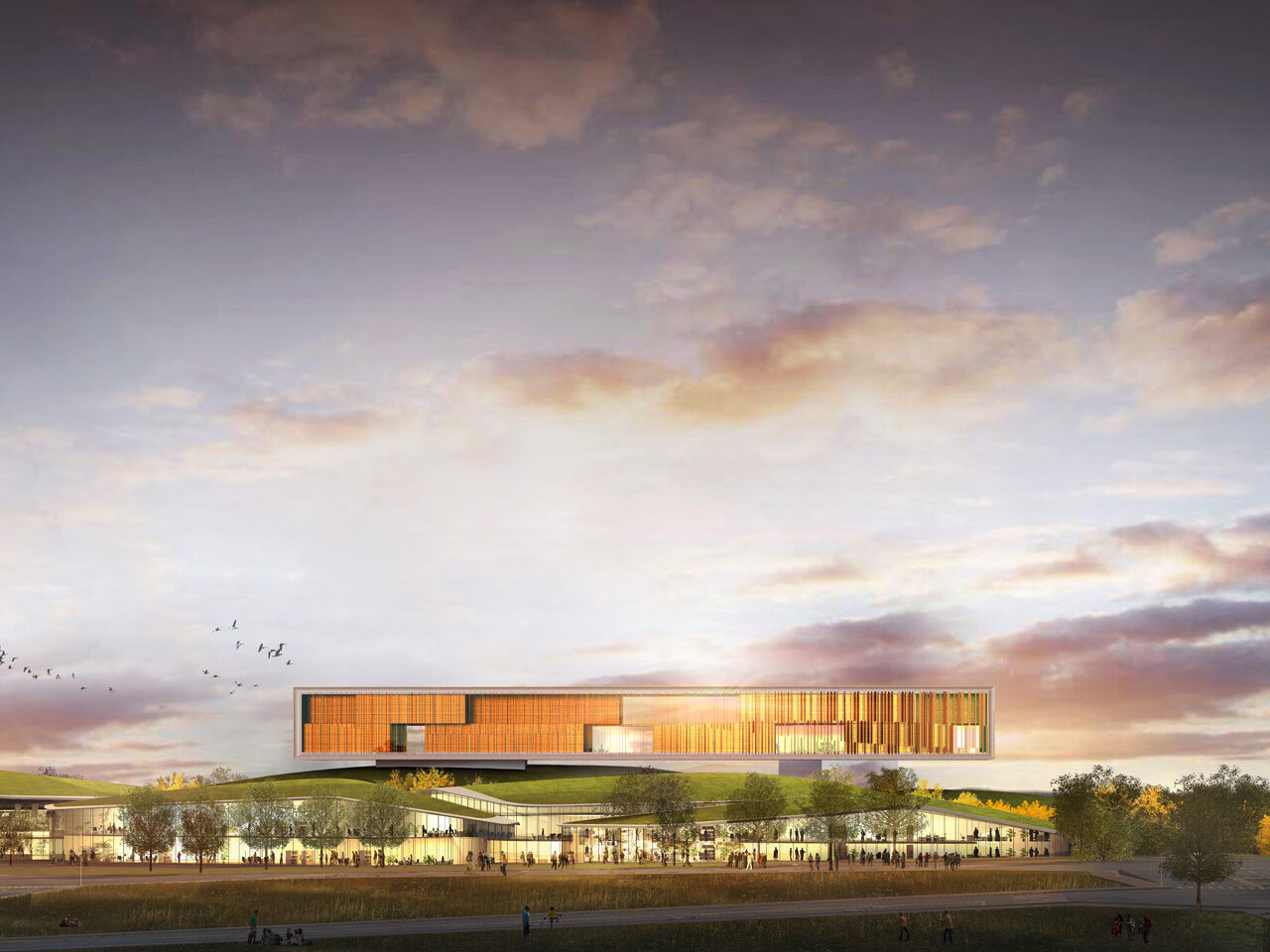
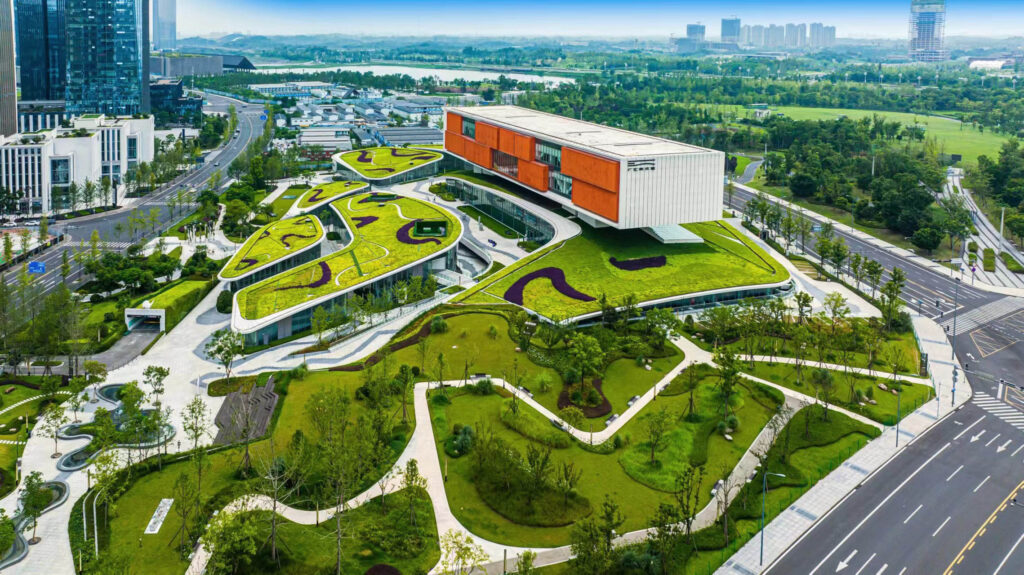
Anchoring the ring of new civic buildings bordering between the newly-planned Central Park and developing Central Business District, the Chengdu Ink Painting Museum appears like a painting hovering above the undulating mounds of the Central Park. The museum contains an invaluable collection amassed by the founder of the Fortune 500 company of 20th-century Chinese ink wash painting masterpieces, a revered art form practiced by scholar gentlemen and literati and is elevated above a valley landscape reminiscent of the favored subject for many artists.

Looking closer, the valley which cuts across the axis of the residential and commercial headquarters of the Guanghui development is programmed with retail and public amenities, which become the base support of the two-story museum gallery wing that hovers above. The layered walls and partitions of the galleries and open circulation spaces are hidden behind multiple layers on the facade facing the Central Park, the bronze pattern reminiscent of the great ancient bronze civilizations of Chengdu. Within the natural landscape, the galleries face the Central Park reminiscent of Chengdu’s past while the East facade projects toward the glass and steel towers of the Central Business District, the new future of Chengdu.

Project Gallery

Suzhou Museum

Design: 2002-2004
Construction: 2003-2006
Architect: I. M. Pei
Site Architect: Bing Lin

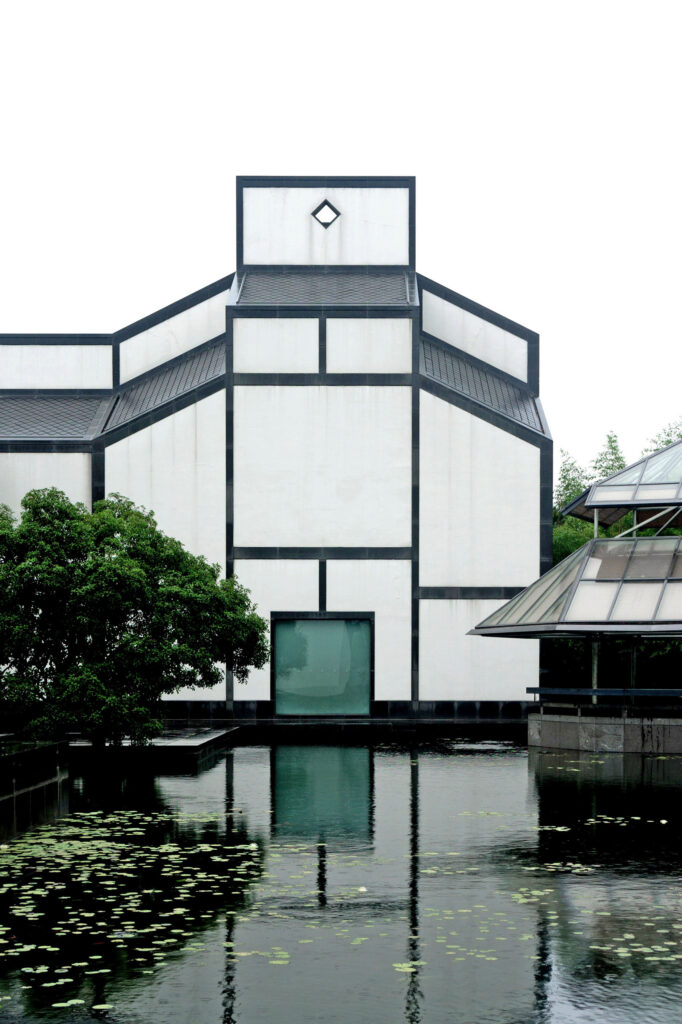
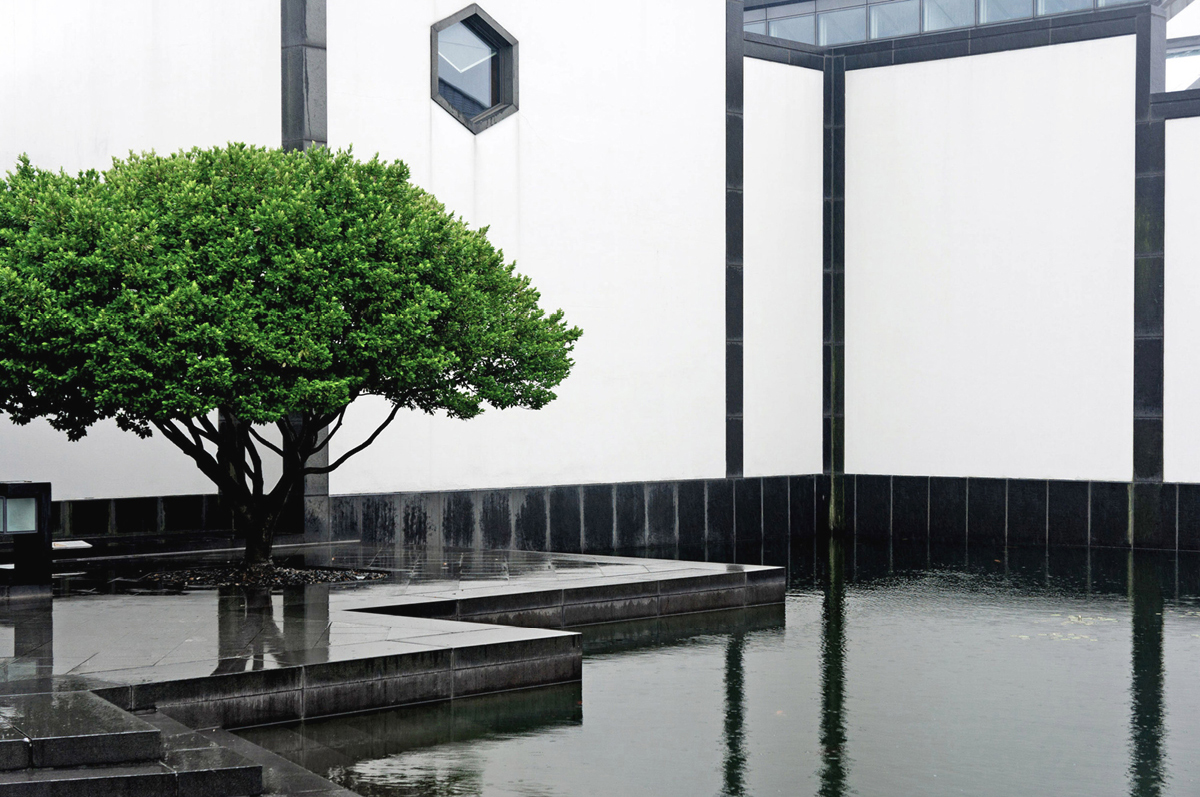
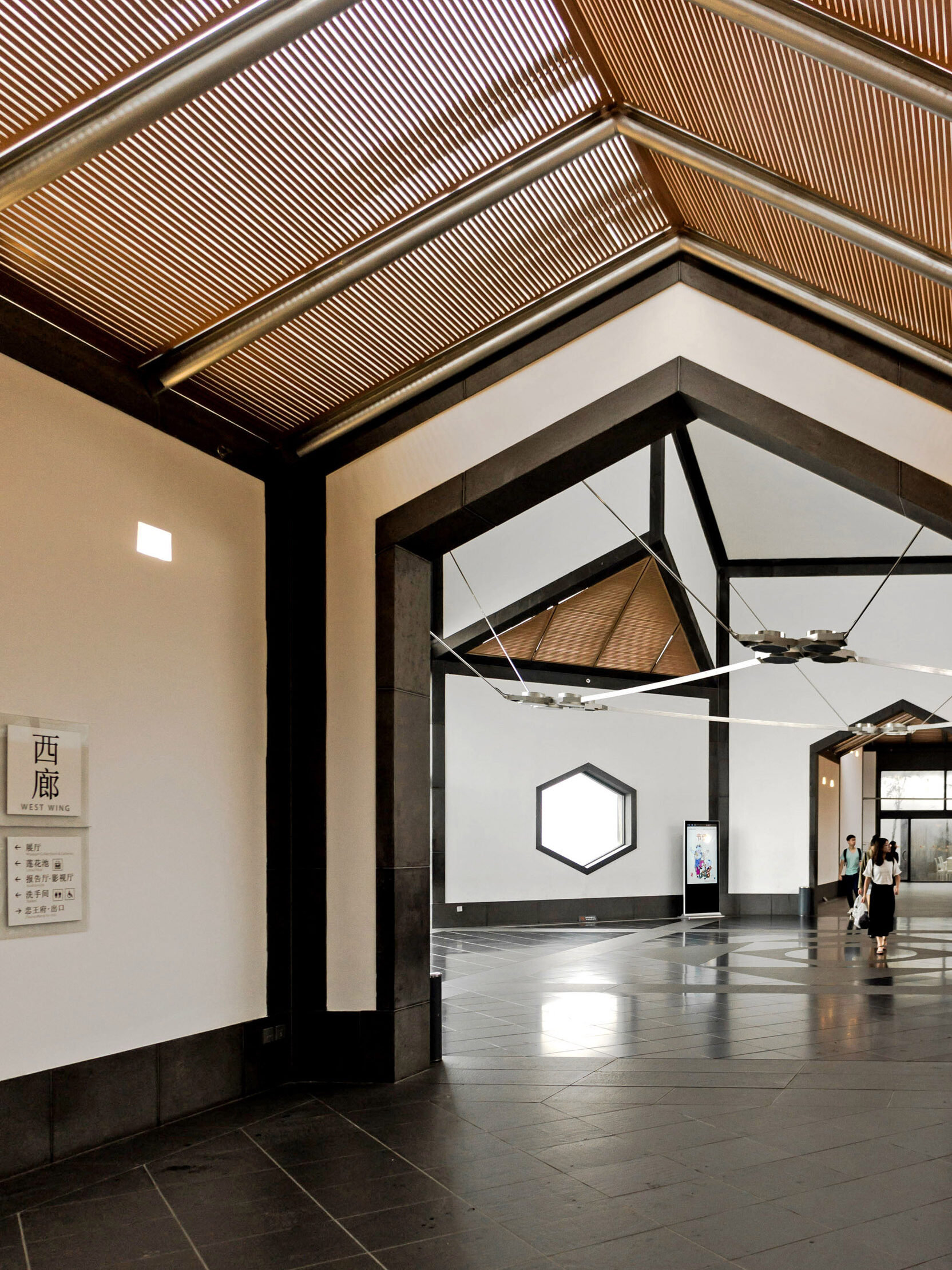
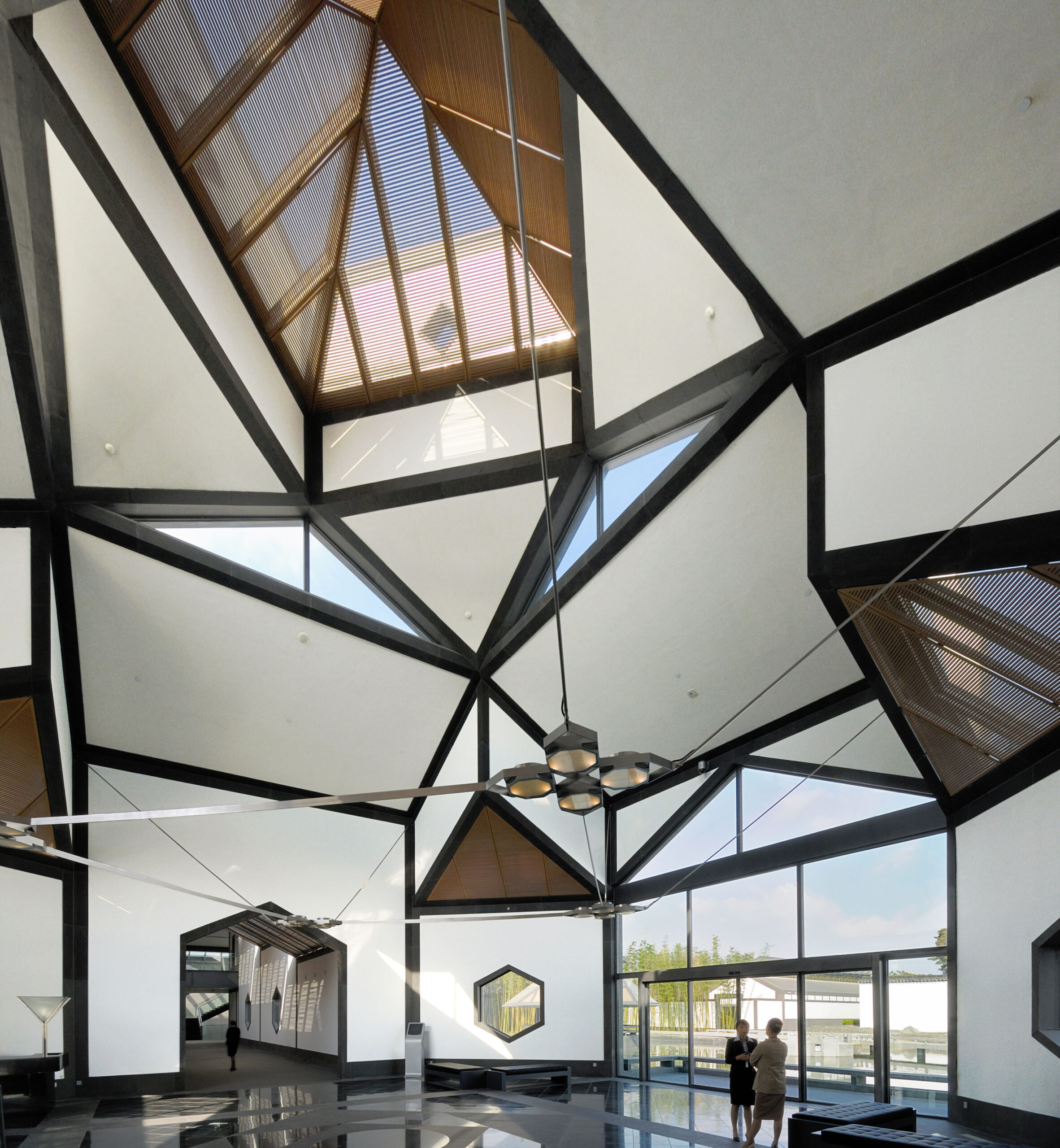
The Suzhou Museum design finds inspirations from the classical buildings of Suzhou with white stucco walls and grey tiled roofs, and from the classical gardens of Suzhou for which the city became famous. While respecting the historical context of the past, the design illustrates a new interpretation of the classical architecture, meeting the challenging design requirements of being not only “Chinese and Suzhou, but also contemporary and forward-reaching.” Immediately upon completion, the building has been recognized as an important and successful precedence in the delicate balance of modern building design in the historical Chinese context.

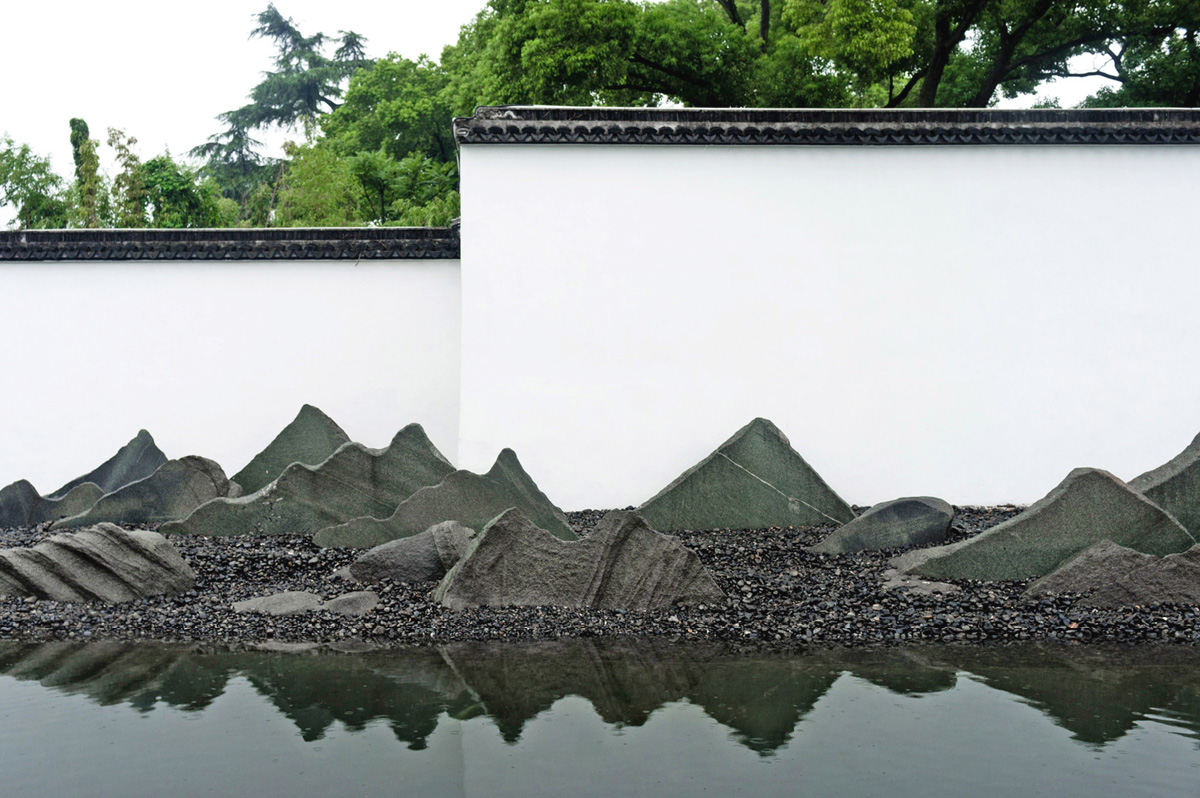
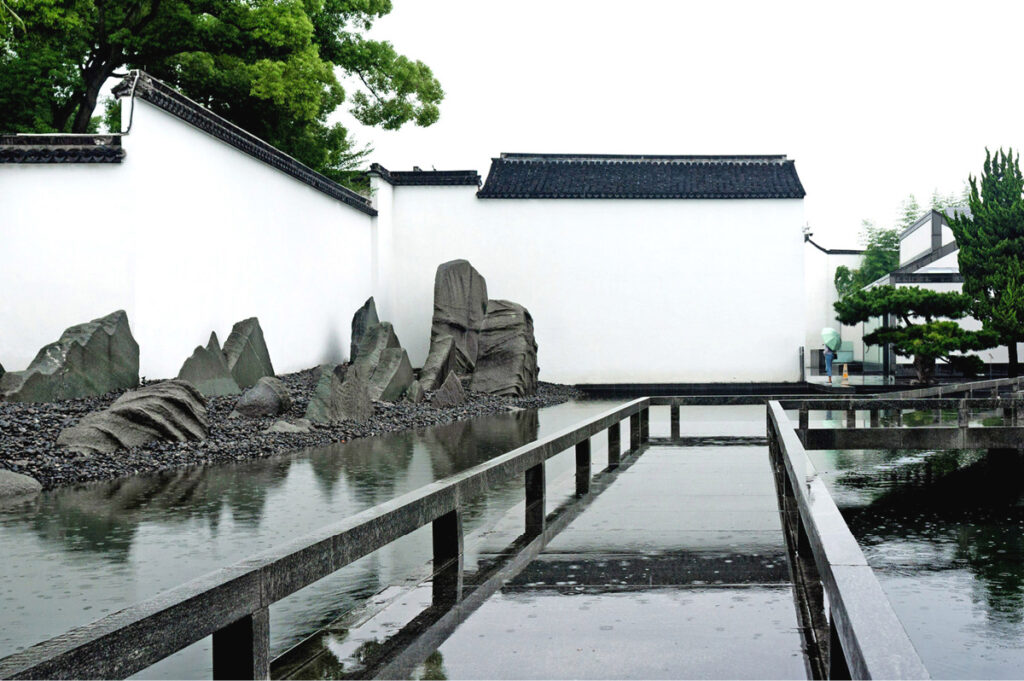
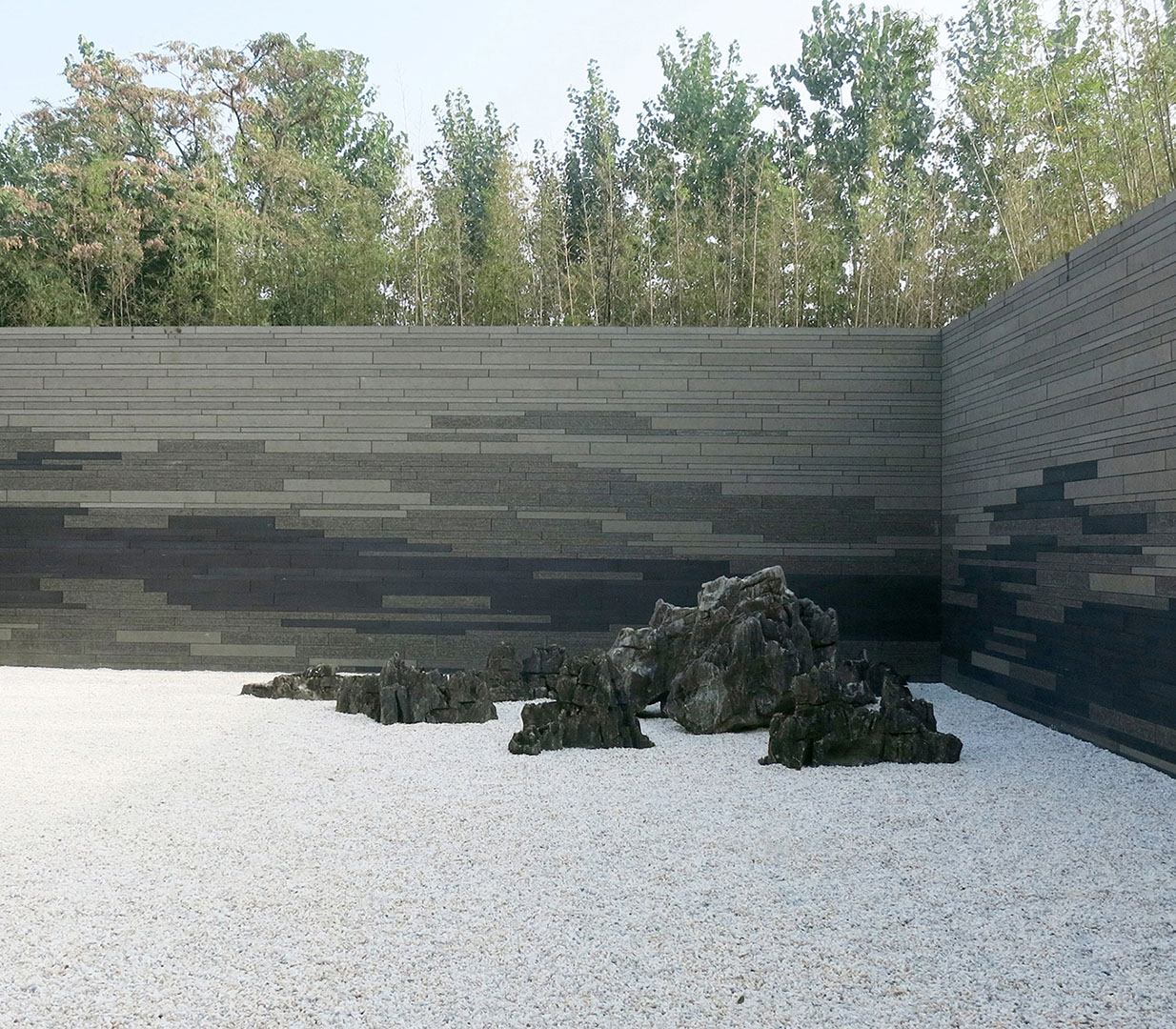
The new Suzhou Museum employs a simple building palette with white walls and stone tiled roofs. The black granite roof tiles are uniform and solid, and in harmony with the traditional tile roofs of Suzhou. The galleries are interconnected with a series of courtyards. The main garden of the museum is separated from the adjacent Unesco designated Humble Administrator’s Garden by a shared wall. The design of the main garden is simple and elegant, with a flowing pond, gazebo and a sliced stonescape as the centerpiece. The sliced rocks from Shandong province carefully arranged against the white courtyard wall form a three-dimensional Chinese landscape painting.

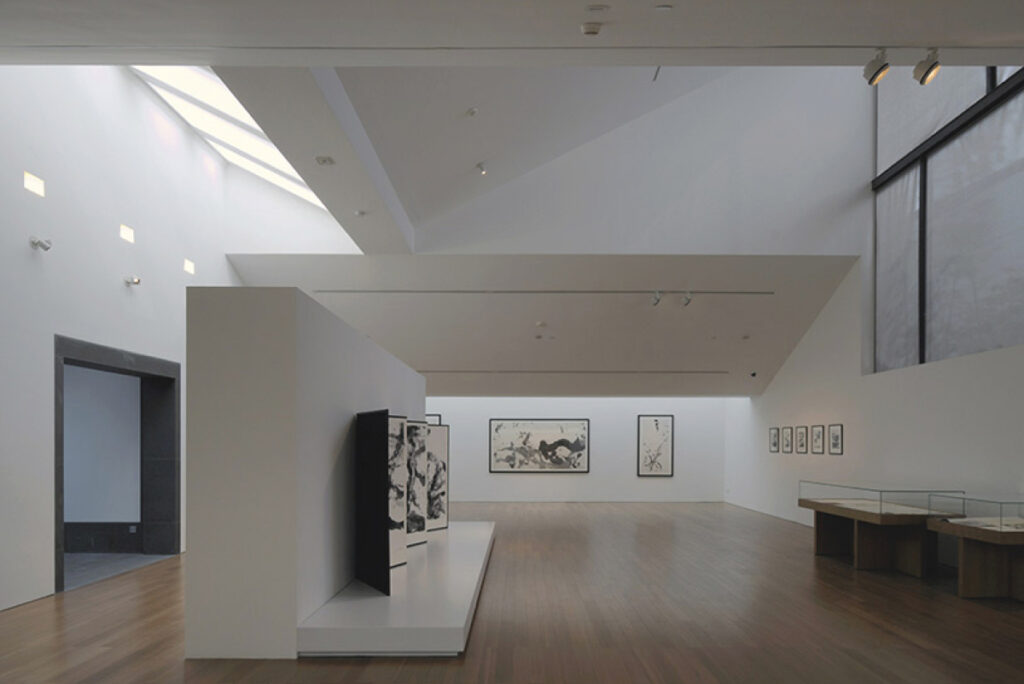
Suzhou has a splendid cultural tradition with art crafts and paintings of Ming and Qing Dynasties. The exhibition spaces and design are carefully scaled to be appropriate for its displayed contents. The museum also has a contemporary gallery, a temporary gallery, multi-function room, VIP reception room, and a café. It is a modern museum with state-of-the-art facilities. Since its opening, the new Suzhou Museum has become a new landmark of Suzhou City, designated as a top-ranking Class A museum of China and has becoming a window and platform for cultural exchange and development with the rest of the world.

Project Gallery

JX Canal Museum

JX Canal Museum

Design: 2020

The Grand Canal, the longest canal in the world starting from the old capital of Beijing to the Summer Capital of Hangzhou, runs 1,776km and links the Yellow and Yangtze River inspiring many who navigated and witnessed the enormous engineering feat throughout history. 

The Grand Canal has advanced and prolonged the indigenous and economic growth of China’s urban centers from the Sui period to the present, the oldest parts of the canal dating back to the 5th Century BCE.  Our museum takes inspiration of the traditional ships and arched bridges that ferried and spanned the Grand Canal and the local culture that flourished along the Jiangnan section, south of the Yangtze river, still used to ferry goods and materials along this busy route.

A series of large, enormous, sustainably forested glulam arched beams are placed floating on the site on an North/South axis, pinned together reminiscent of ship hulls busily passing each other, where the varying and staggered infill gallery slabs, and roof truss framing act as tension resisting ties for structural integrity.  The museum’s main circulation and entrances run horizontally on this North/South axis where one can visit the museum from the canal and boat dock on the South and from the “Museum Canal” or public basement hall accessed through a large chamfered and sloping entrance ramp at the North Entrance.  The large expansive “Museum Canal” contains temporary galleries, shops and children’s workshops and becomes the circulation spine to allow for navigation into the individual floating halls that house an auditorium and varying thematic galleries from strategically placed vertical circulation cores. 

Once above ground, views of the passing ships on the canal can be seen from the floating galleries above the large reflecting pool on the plaza.  A single pedestrian bridge spans over the pool and the heavily trafficked Binhe road adjacent our site, giving panoramic views of the canal and the famous Changhong bridge while spiraling down to connect to a series of tree lined pedestrian paths and bridges connecting the famous bridge to the new museum. 

Project gallery

Censer Museum

Censer Museum

Design: 2016-2017

Located in a city known for its gardens, the Suzhou Censer Museum celebrates the grandfather of the client, a renowned maker and merchant of incense burners, objects historically and highly coveted by collectors, and the subsequent generations of successful master craftsmen and merchants in the family.

The discrete volumes of the museum are scattered through a landscape of gardens indigenous to Suzhou, with the programs allotted along the circulation.
Project Gallery

Wood Block Museum

Wood Block Museum

Design: 2018-2019

The Taowahu Wood Block Museum serves as the exhibition space for a vast, preexisting collection of ancient wood block prints. Originating in China in antiquity as a method of printing on textiles and later paper, the art is a slow and steady process of layering, resulting in a composition of depth.
The spaces of the museum fall in a similarly layered sequence, with the visitor following along through the various galleries and functions in separate volumetric entities. The circulation throughout the architecture, with direct interaction with the surrounding Suzhou Gardens, establishes a narrative of wood block printing techniques, from process to end product.

Project Gallery

Shanghai Stock Exchange

Shanghai Stock Exchange

Design: 2013
Construction: 2014
Area: 3,600 m2

The Shanghai Stock Exchange (SSE) Tower was built in 1997, with a 3,600 square meter column-less trading floor, containing 1,810 trading seats, it was once the biggest trading floor in Asia. In order to meet the new demands of the changing global marketplace, the transition to online trading and the limited need for physical trading space, OLI was tasked with the renovation of the SSE trading floor.

New functions were programmed to be overlaid on the existing framework, paramount to the client demands was the addition of a platform for IPO ceremonies. Additional program integrated to the renovated central trading hall were a large meeting space for publicly traded companies, a market investigation and oversight area and increased media seating with direct views of sight ringing the periphery. A transformed section of the original trading seats, a portion of which was requested to be saved, was integrated as stock trading and investor education areas. Above the Central Trading Hall, the areas to the north and south on the mezzanine, originally located behind the trading monitor, was transformed into conference rooms and state of the art live-broadcast platforms. The renovated VIP floor, one floor above, holds VIP meeting rooms and a museum dedicated to the history of the SSE.

The specialty market trading area in the northern section of the hall makes use of a similar design language, connecting the trading and oversight area with a glass volume formed in the traditional Chinese character for the number “eight.” The Chinese pronunciation of the number eight resembles the word “flourish,” implying a sense of prosperity for the market.

The glass cylinder market investigation and oversight area in the southern section of the central trading hall, with illuminated glass flooring and a news ticker displaying up to date market data, through its physical transparency, symbolizes market openness.

Project Gallery